ZEALO LEARN
All articles
Every article across all modules. Filter by category or browse them all.

Add Weight, Add Reps, or Deload? A Simple Decision Tree
A calm rule for the next session: when to add load, when to add reps, when to hold, and when to deload, based on what you logged.

Your Log Isn't a Program Until It Forces a Decision
A training log that never changes next week's session is a diary. Here's the one-sentence rule that turns data into a decision.
Not Enough Data: When to Hold the Plan
Missing sleep scores, one ugly session, or a thin log is not a reason to rewrite your program. Here's when holding is the disciplined call.
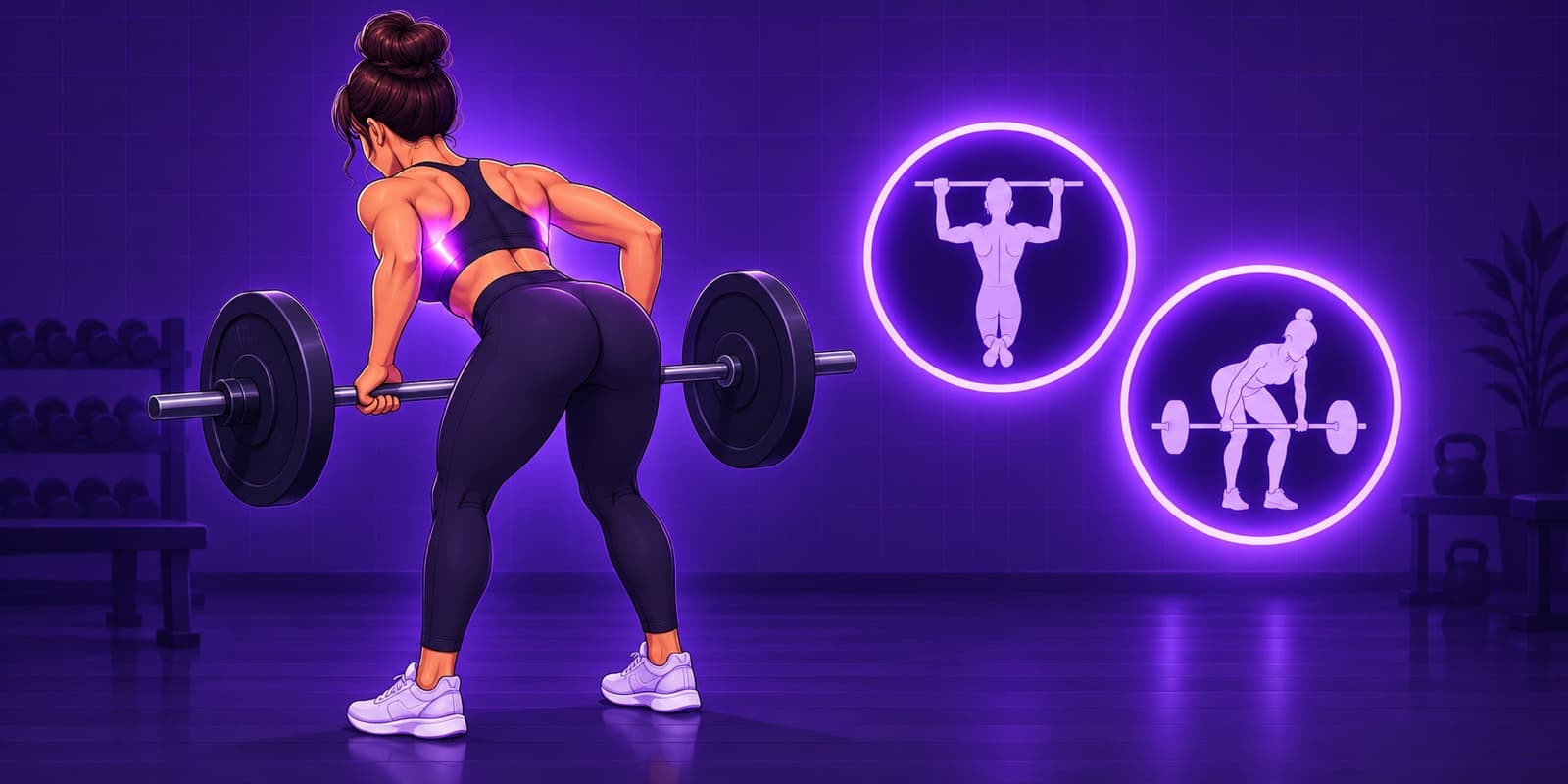
Best Back Exercises: Building Lats, Traps and a Thick Mid-Back
The back is a set of muscles with different jobs, and no single exercise trains them all. Here is an evidence-based guide to the best exercises for the lats, the mid-back, the traps and the lower back, what the EMG studies say about grips and angles, rows versus pulldowns, and a complete back program.
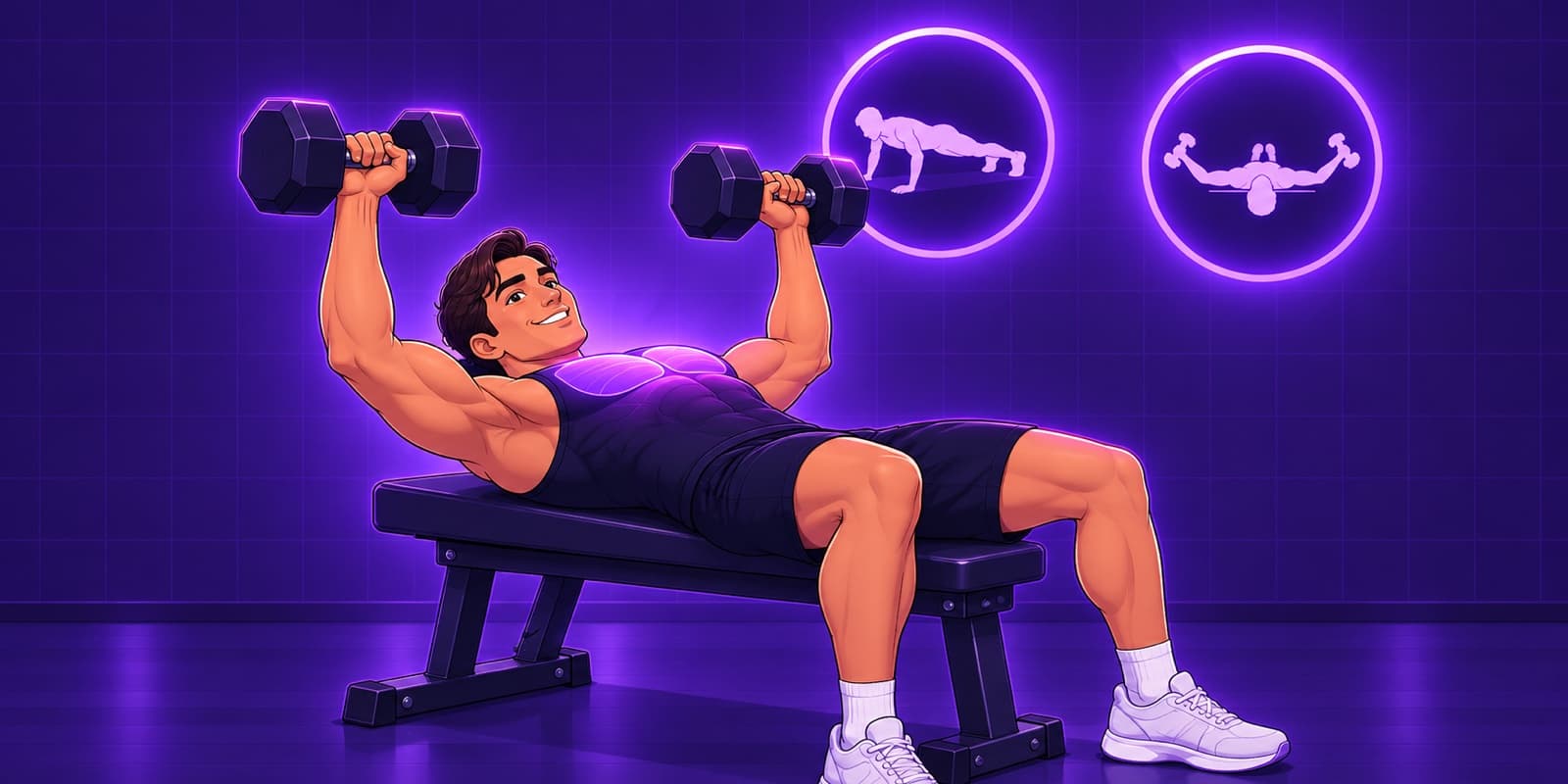
Best Chest Exercises: What the Research Says About Building Your Pecs
Flat, incline, decline, flys, dips, push-ups, cables: the chest has more exercise options than almost any muscle, and most of them are redundant. Here is what the EMG and training research says about which movements and angles build the upper, middle and lower chest, how to train the stretch, and a complete chest program.
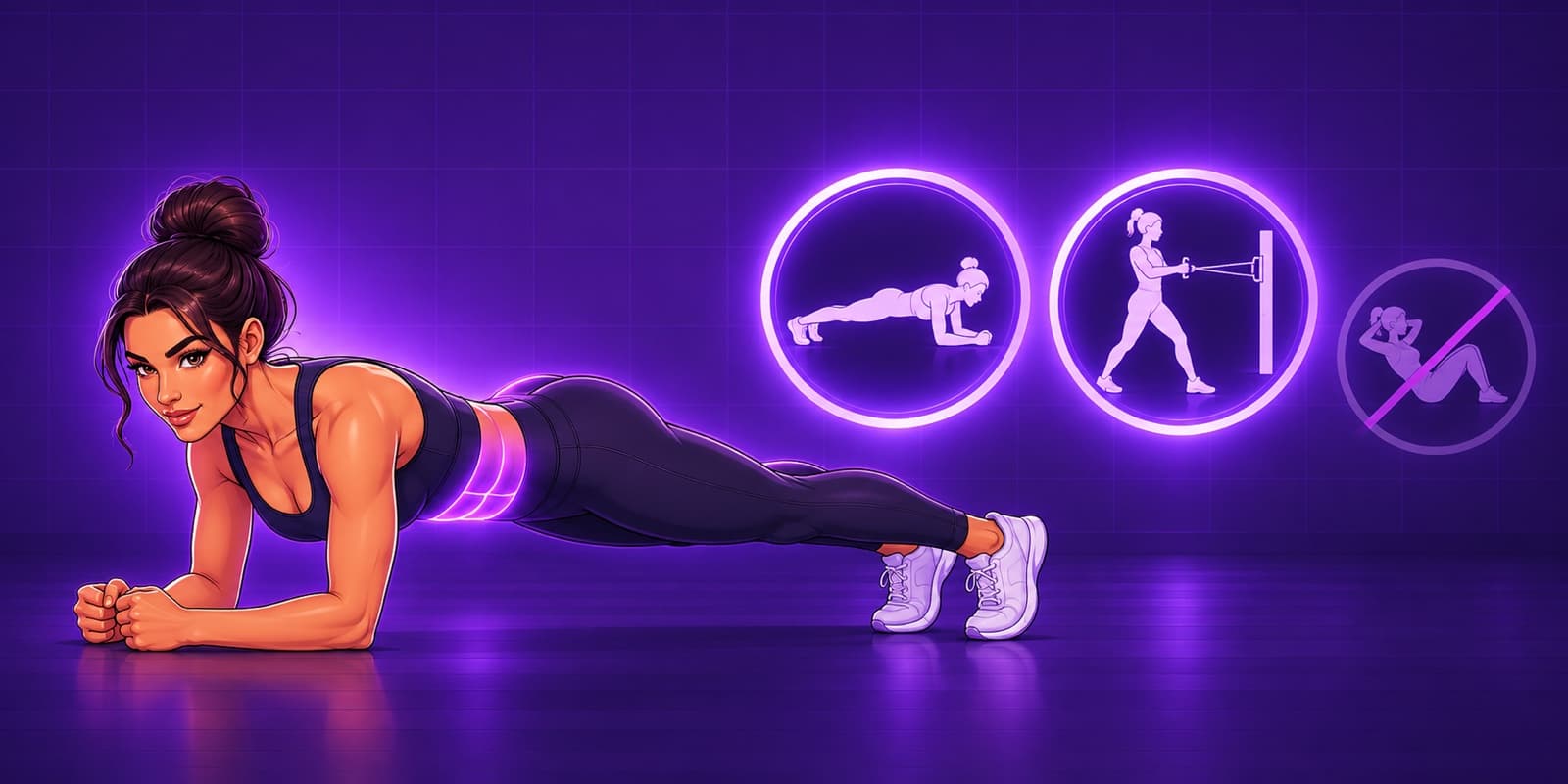
Best Core Exercises (And Why Crunches Aren't It)
The core's job is to resist movement, not to produce it, and the exercises that train it best are the ones that make you hold still under load. Here is why crunches are a poor investment, what the spine research says, the anti-extension, anti-rotation and anti-lateral-flexion movements that actually build a strong trunk, how heavy lifts fit in, and a complete core program.

Best Cycle-Syncing and Cycle-Tracking Fitness Apps (2026): An Honest Comparison
Dozens of apps now promise to sync your workouts to your menstrual cycle. Most are period trackers with a fitness tab bolted on; a few are fitness apps that understand the cycle; and almost all of them make claims the evidence does not support. Here is how to evaluate them, what the categories actually do, where Zealo sits, and the honest answer about what any app can do with your cycle data.
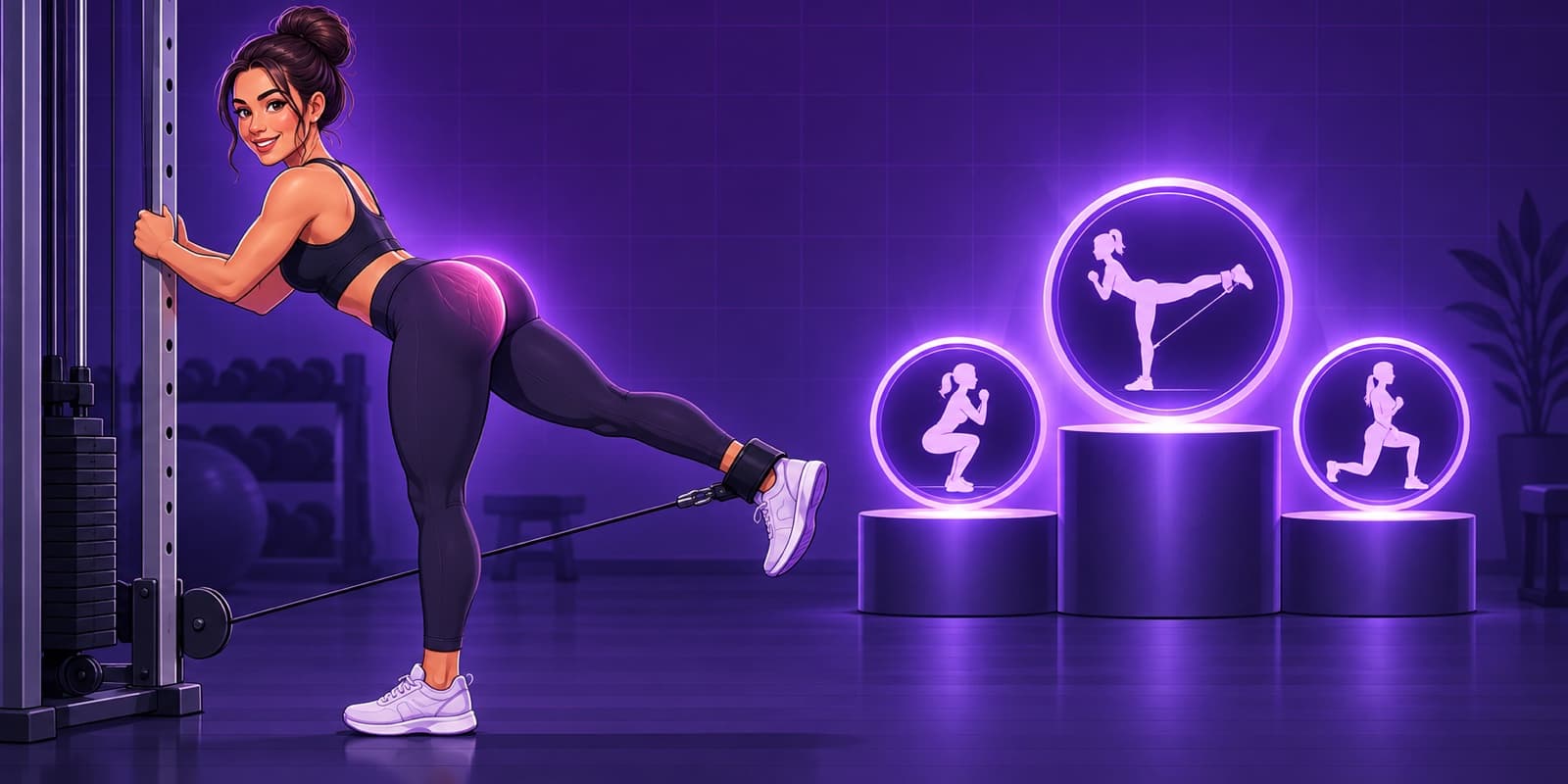
Best Glute Exercises Ranked by Evidence
There are hundreds of glute exercises and a handful that matter. Here is a ranking built on EMG studies and, more importantly, the training studies that measured actual glute growth: which exercises load the glutes stretched, which load them shortened, why you need both, and a complete glute program with sets, reps and frequency.
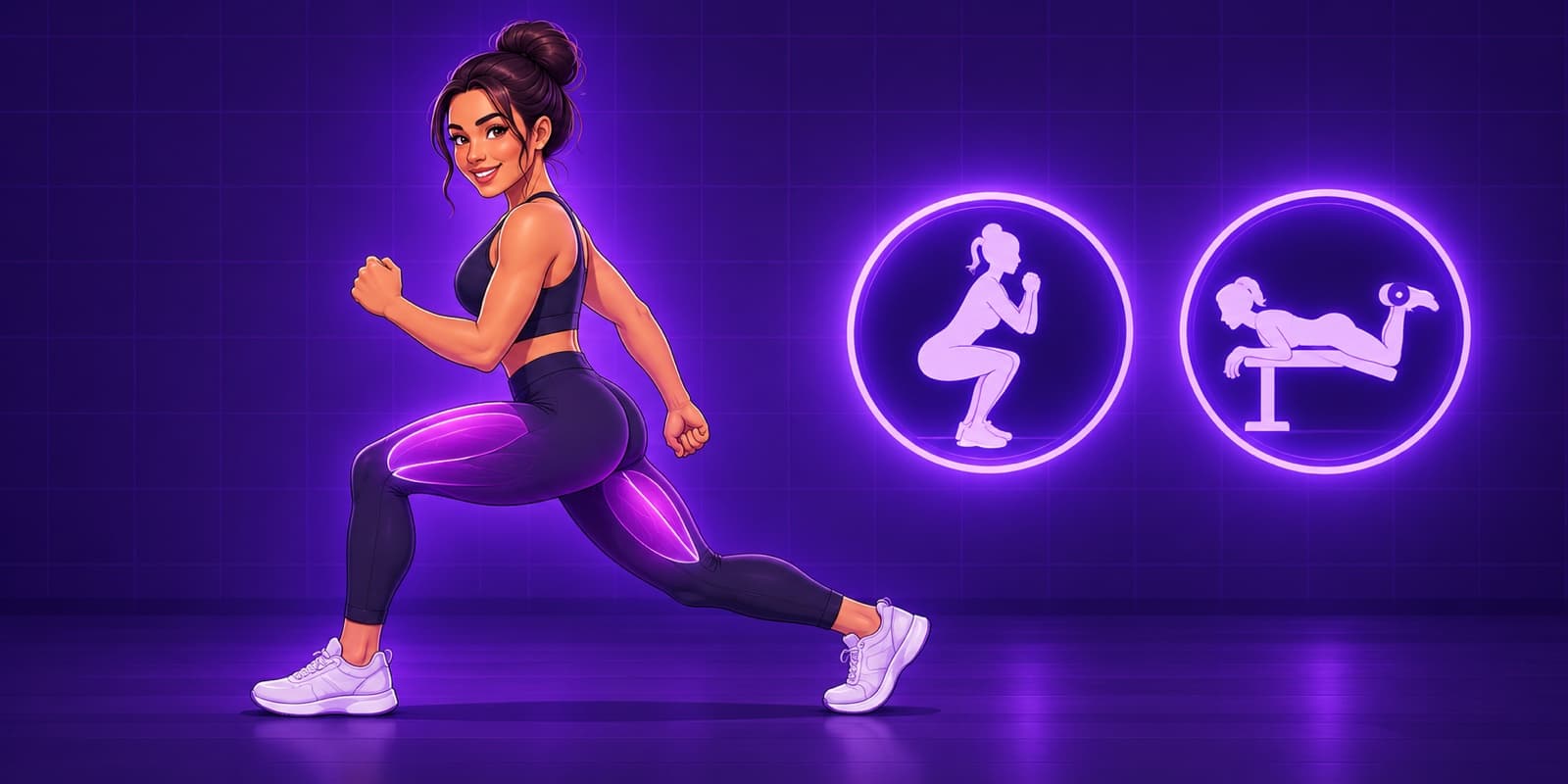
Best Hamstring and Leg Exercises: Quads, Hamstrings and Calves by the Evidence
Leg day is where most people either do too little or do the wrong things. Here is an evidence-based guide to the best exercises for the quadriceps, hamstrings and calves, what the research says about squat depth, leg curls versus hinges, seated versus lying curls, the rectus femoris problem, and a complete leg program.
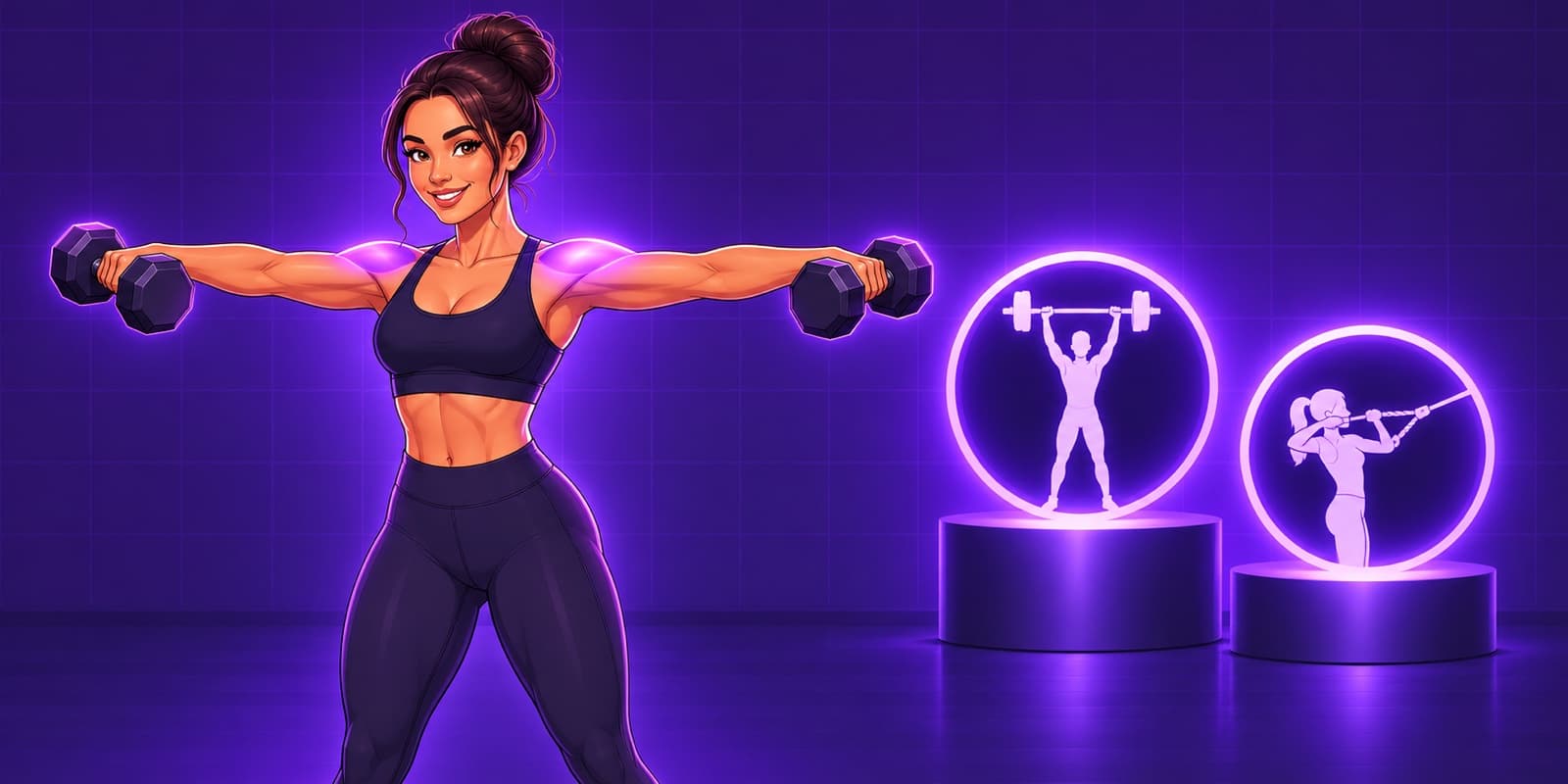
Best Shoulder Exercises: Building All Three Deltoids
Round, wide shoulders come from the lateral deltoid, and most programs barely train it. Here is an evidence-based guide to the best exercises for the front, side and rear delts, what EMG research says about lateral raise variations and pressing, how to train the rotator cuff, and a complete shoulder program that keeps the joint healthy.
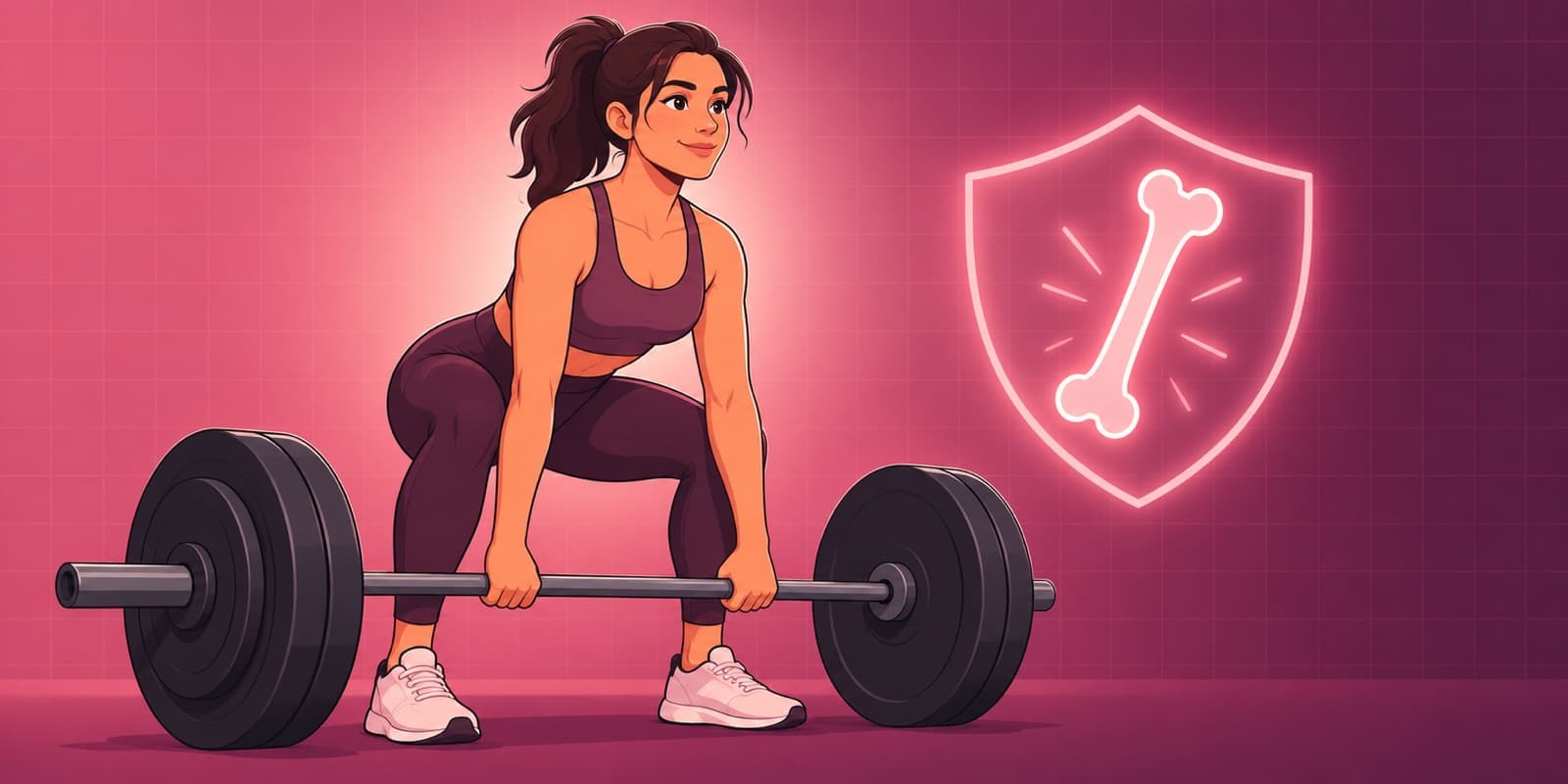
Strength Training and Bone Density: Why Lifting Is Non-Negotiable for Women
One in three women over 50 will suffer an osteoporotic fracture. Bone responds to one thing above all: load. Here is how bone adapts, why walking and swimming are not enough, what the LIFTMOR trial showed about heavy lifting in women with osteoporosis, and how to train for a skeleton that lasts.

Caffeine and Pre-Workout: What Works and What's Marketing
Caffeine is one of the few supplements with decades of evidence behind it. Pre-workout powders bundle it with a dozen other ingredients, most of them underdosed or useless. Here is how much caffeine actually helps, when to take it, what else in the tub is real, and the side effects worth respecting.
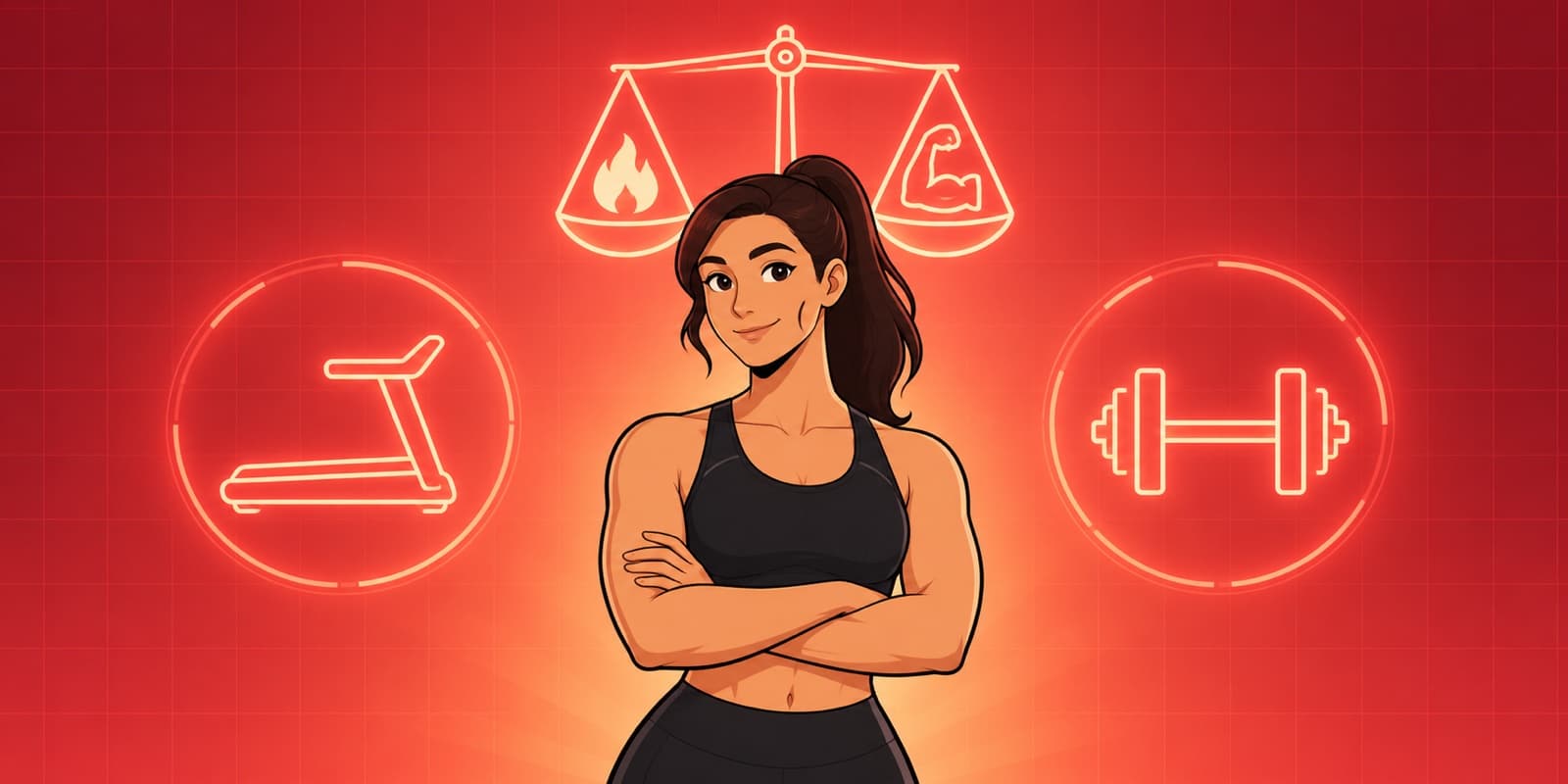
Cardio vs. Weights for Fat Loss
Cardio burns more calories per hour. Weights build the muscle that changes how you look at the end. The evidence says the winning approach for fat loss is not either, it is a specific combination, and the order and proportion matter less than most people think. Here is the honest comparison.
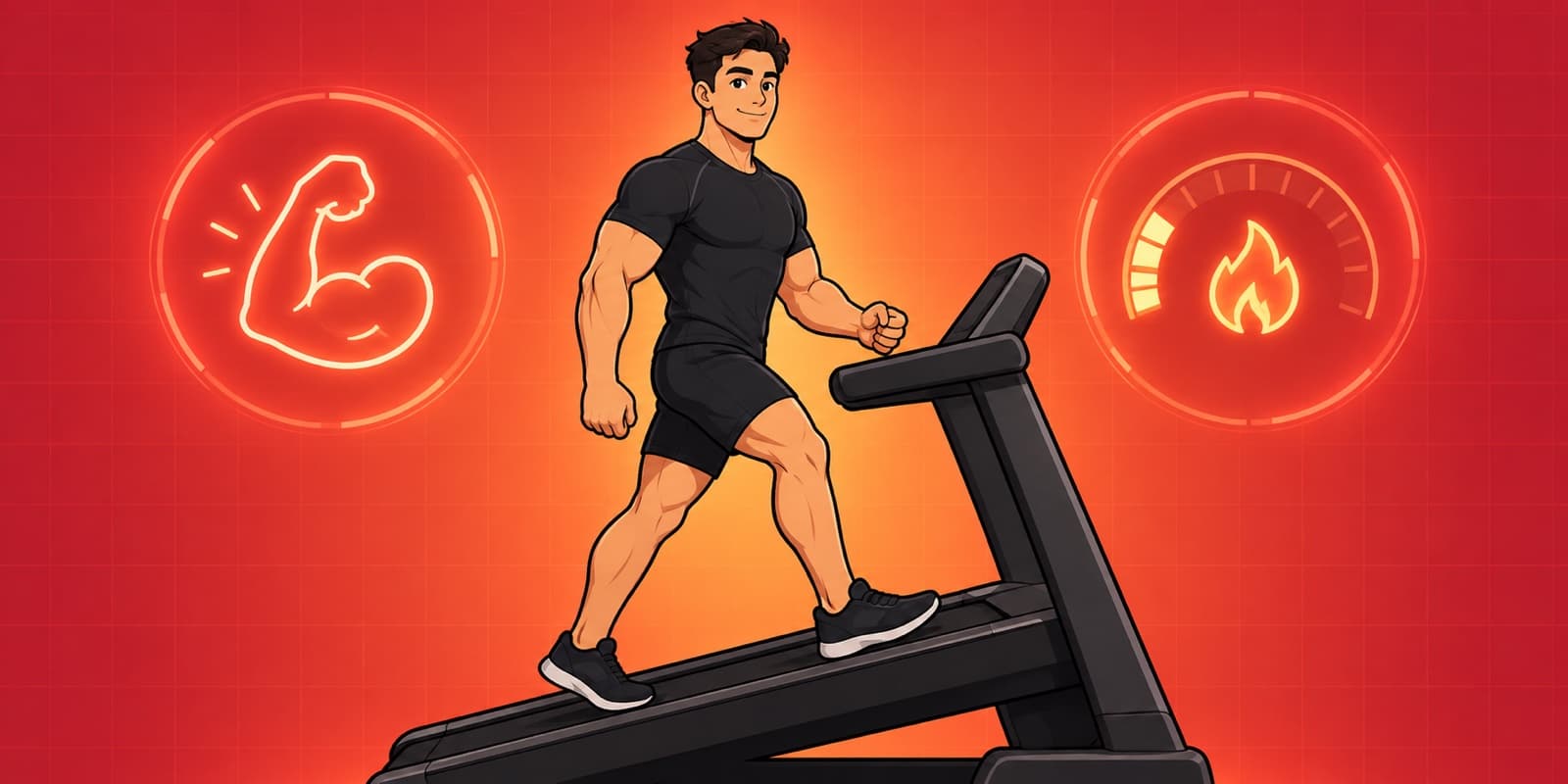
How Much Cardio While Building Muscle?
Does cardio kill gains? The interference effect is real but much smaller and more specific than gym folklore suggests. Here is what the concurrent-training research shows about how much, which type, and how to schedule cardio so it costs you nothing in muscle.

Creatine for Women: What the Evidence Really Says
Creatine is not a men's supplement. Women store less of it, respond at least as well, and may have extra reasons to take it across the menstrual cycle, pregnancy, perimenopause and menopause. Here is what the studies show about weight gain, bloating, strength, bone, mood and brain.
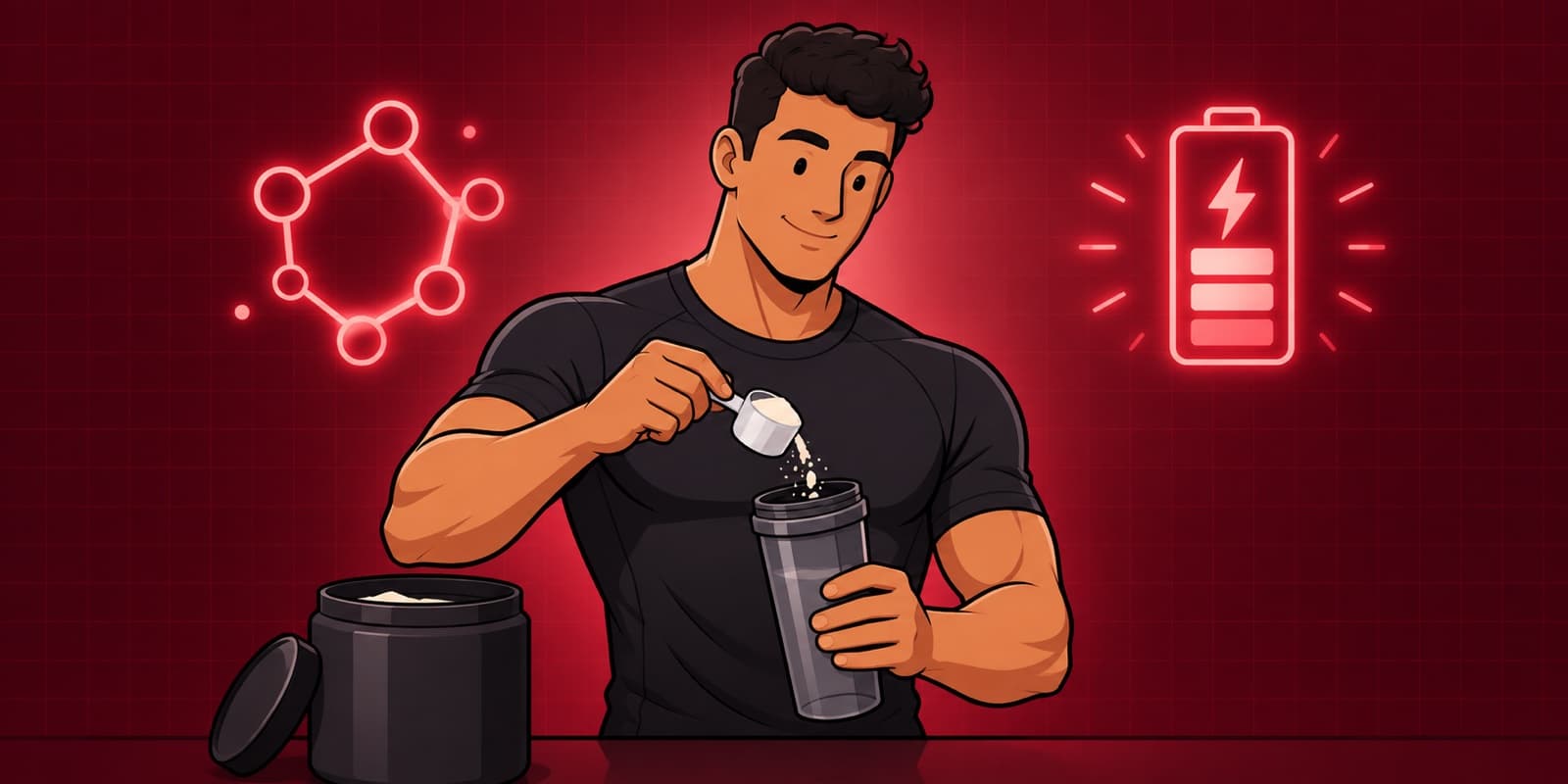
Creatine: The Complete Evidence-Based Guide
Creatine is the most studied supplement in sports science and one of the very few that clearly works. Here is what it does, how to dose it, whether you need to load, what the water retention is really about, and the side effects the evidence does and does not support.

Cycle Syncing Workouts: Hype vs. Evidence
Cycle syncing says you should lift heavy in your follicular phase, go easy in your luteal phase, and rest during your period. It is one of the biggest fitness trends of the decade. The best available evidence says the hormonal effects it is built on are small, inconsistent, and swamped by how you actually feel. Here is what is real, what is not, and the smarter alternative.

Muscle Soreness (DOMS): What It Means and What Actually Helps
Sore two days after a workout? That is delayed onset muscle soreness, and almost everything you have heard about it is wrong. It is not lactic acid, it is not a sign of a good workout, and stretching does not fix it. Here is what DOMS actually is, whether you should train through it, and the few things that genuinely help.
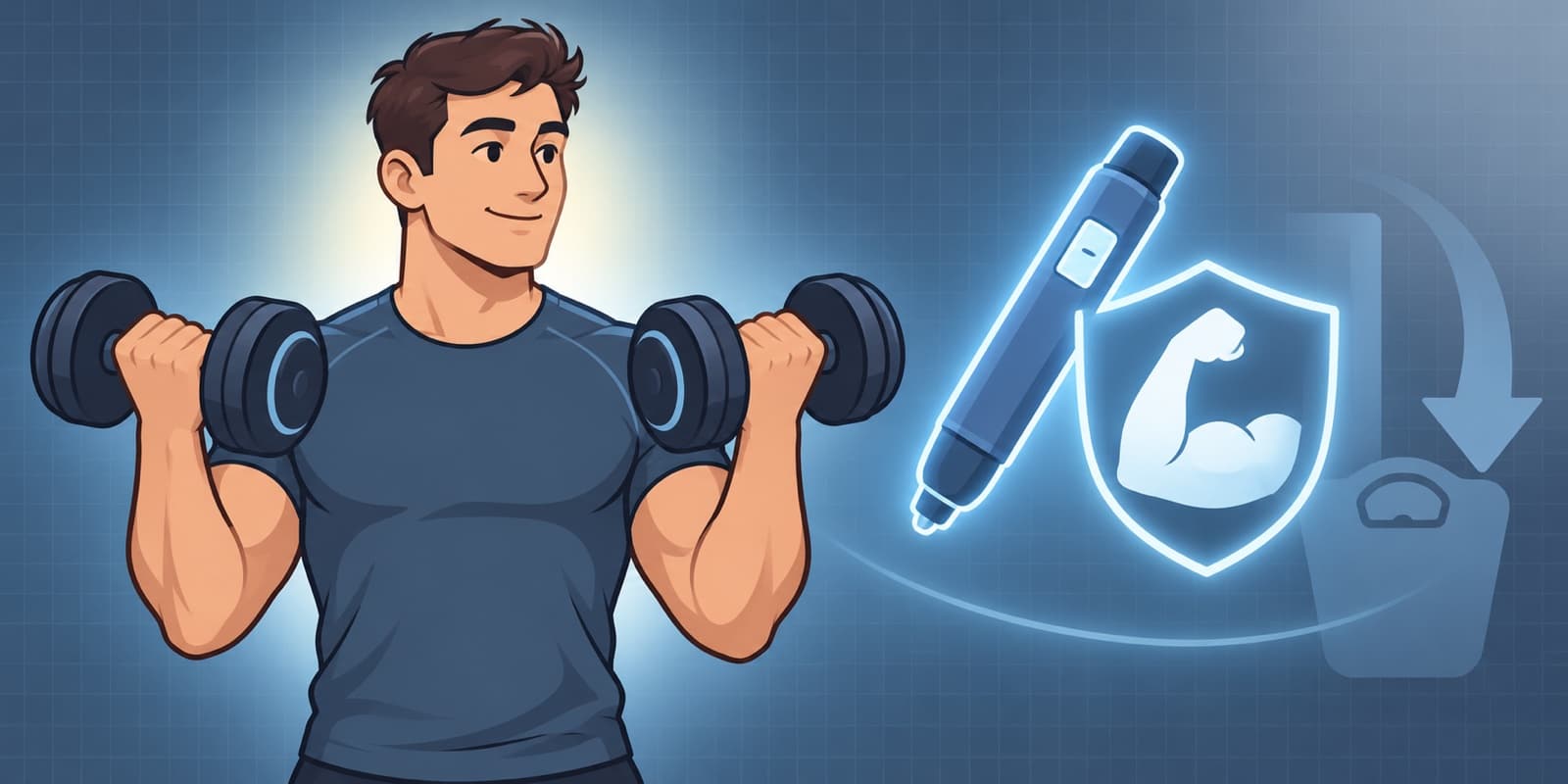
GLP-1 Medications and Muscle Loss: Why Lifting Matters on Ozempic, Wegovy and Zepbound
Semaglutide and tirzepatide produce weight loss that used to require surgery. A large share of that weight can be muscle unless you do something about it. Here is what the trials show about lean mass loss on GLP-1 drugs, why it matters for metabolism and long-term results, and the training and protein approach that protects muscle while the drug does its job.
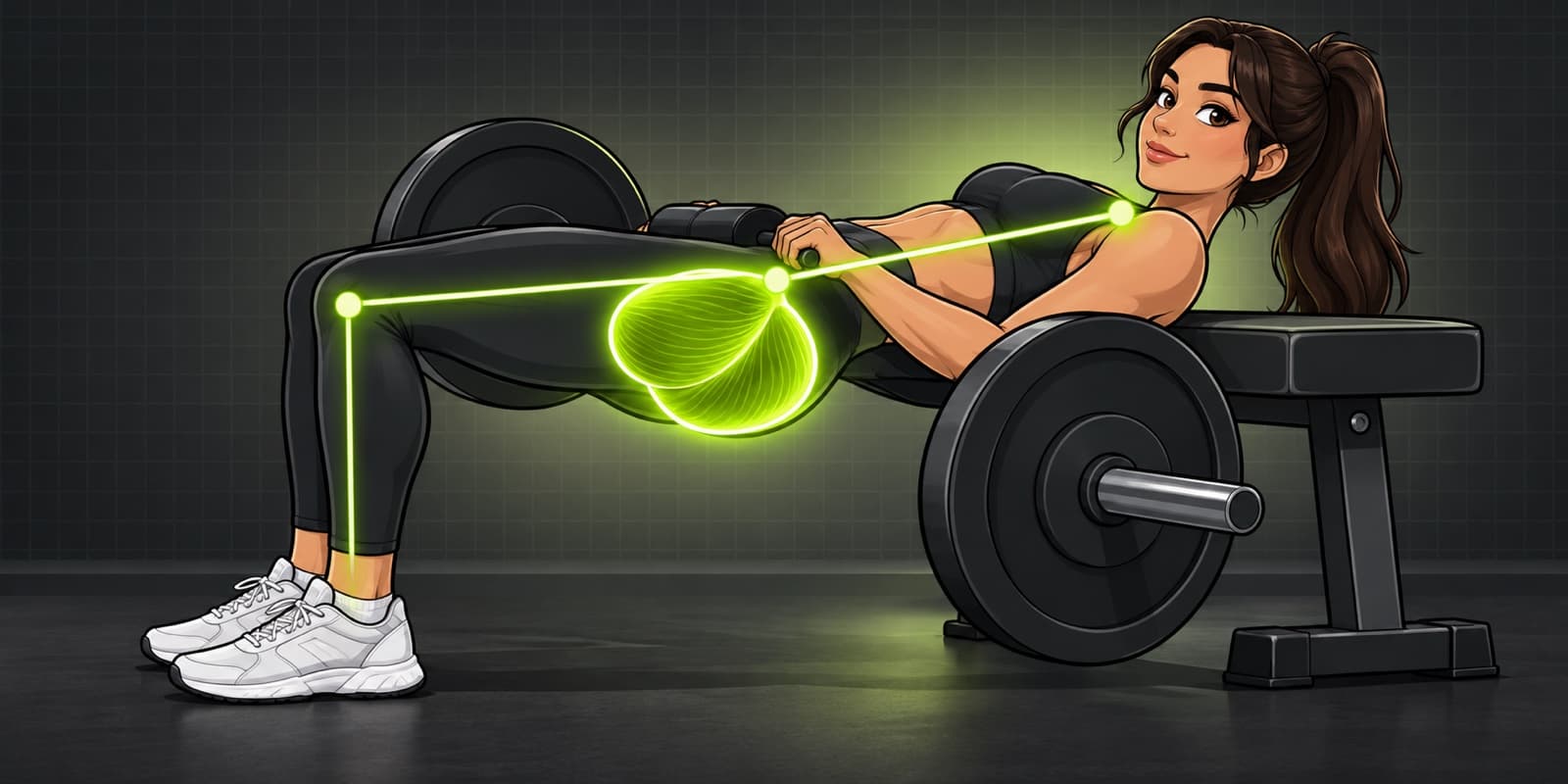
Hip Thrust Guide: Form, Setup, and What the Research Says About Glute Growth
The hip thrust went from unknown to the most popular glute exercise in a decade. It produces the highest glute activation of any common lift, and the research on whether that translates to more growth than a squat is more interesting than the marketing suggests. Here is the setup that stops it hurting your back, the technique, the variations, and how it fits with squats and deadlifts.

How Much Protein Do You Actually Need Per Day?
The RDA says 0.8 g/kg. The bodybuilding forums say 1 gram per pound. The meta-analyses say something in between, and the right number depends on whether you are building, cutting, or just trying to stay healthy. Here is how to set your daily protein target from the evidence.
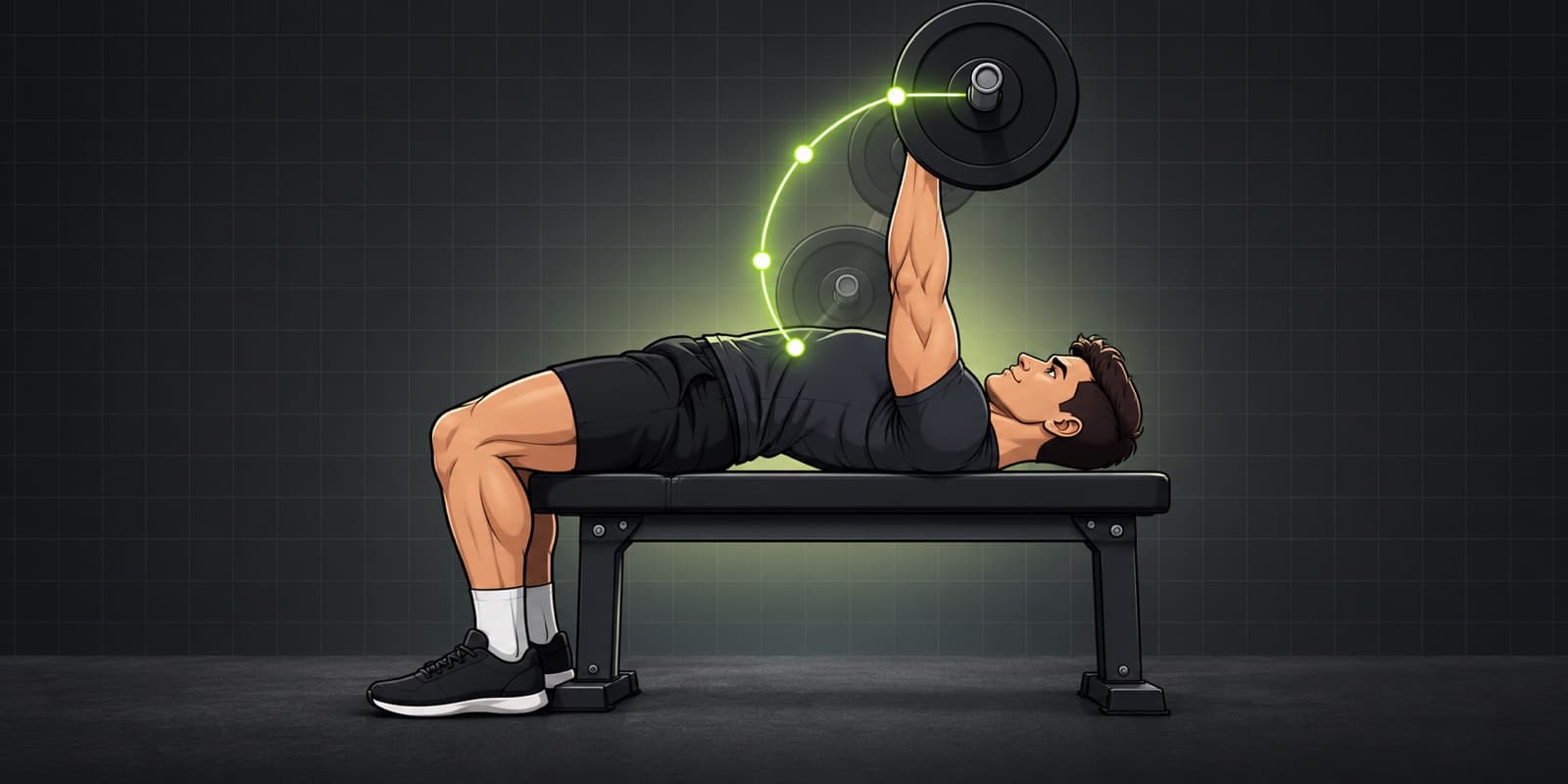
How to Bench Press: Complete Form Guide
The bench press is the lift everyone does and few do well. Here is a complete form guide: the setup and arch, grip width, leg drive, the bar path, elbow angle, the touch point, common faults, why shoulders hurt on the bench and how to fix it, and how to program it for strength and size.
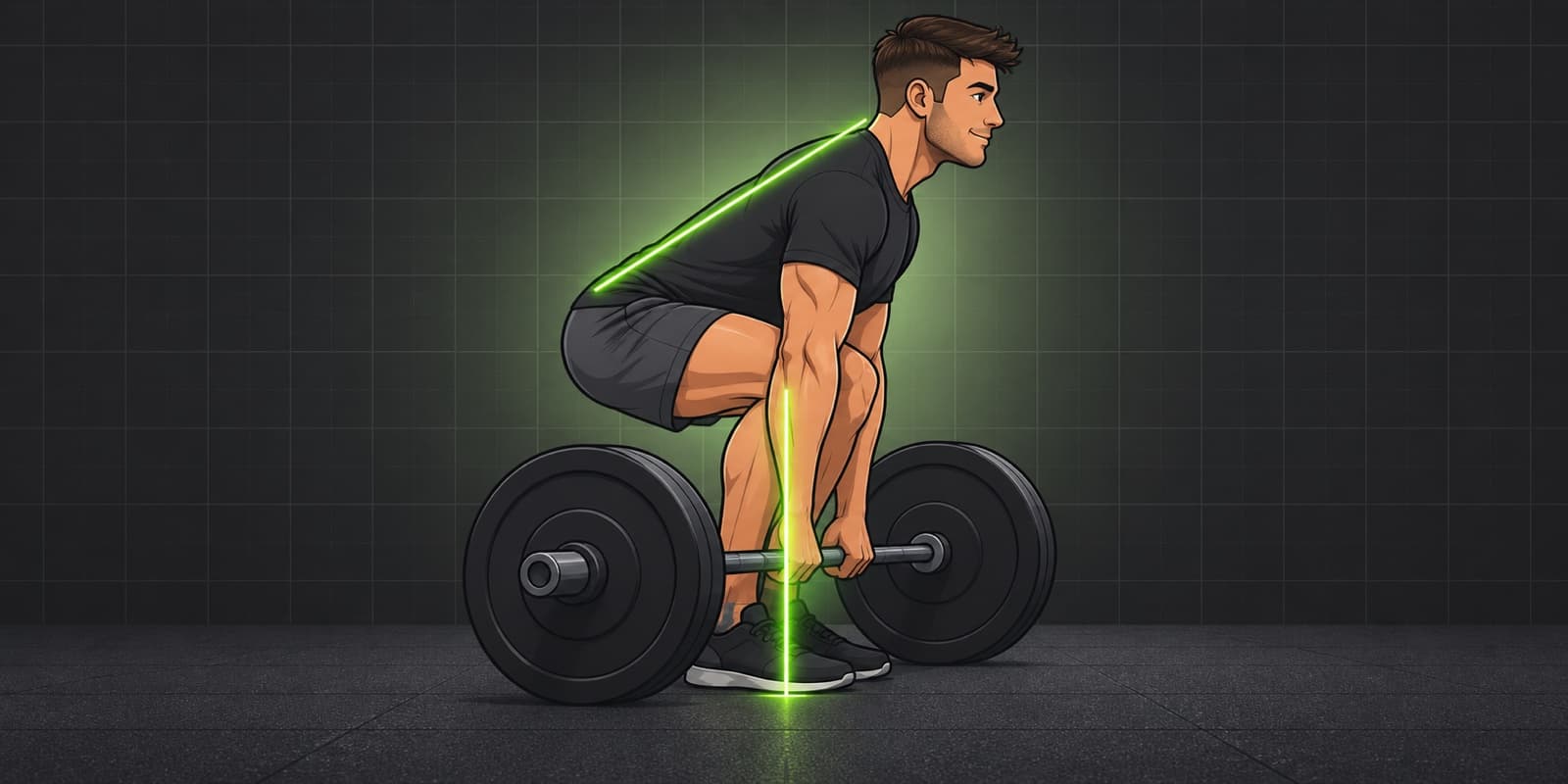
How to Deadlift: Complete Form Guide
The deadlift is the simplest heavy lift and the easiest to do wrong. Here is a complete form guide: setup and bar position, the hinge, bracing, the pull, conventional vs. sumo, why deadlifts help rather than hurt most backs, the most common faults and how to fix them, and how it differs from the Romanian deadlift.
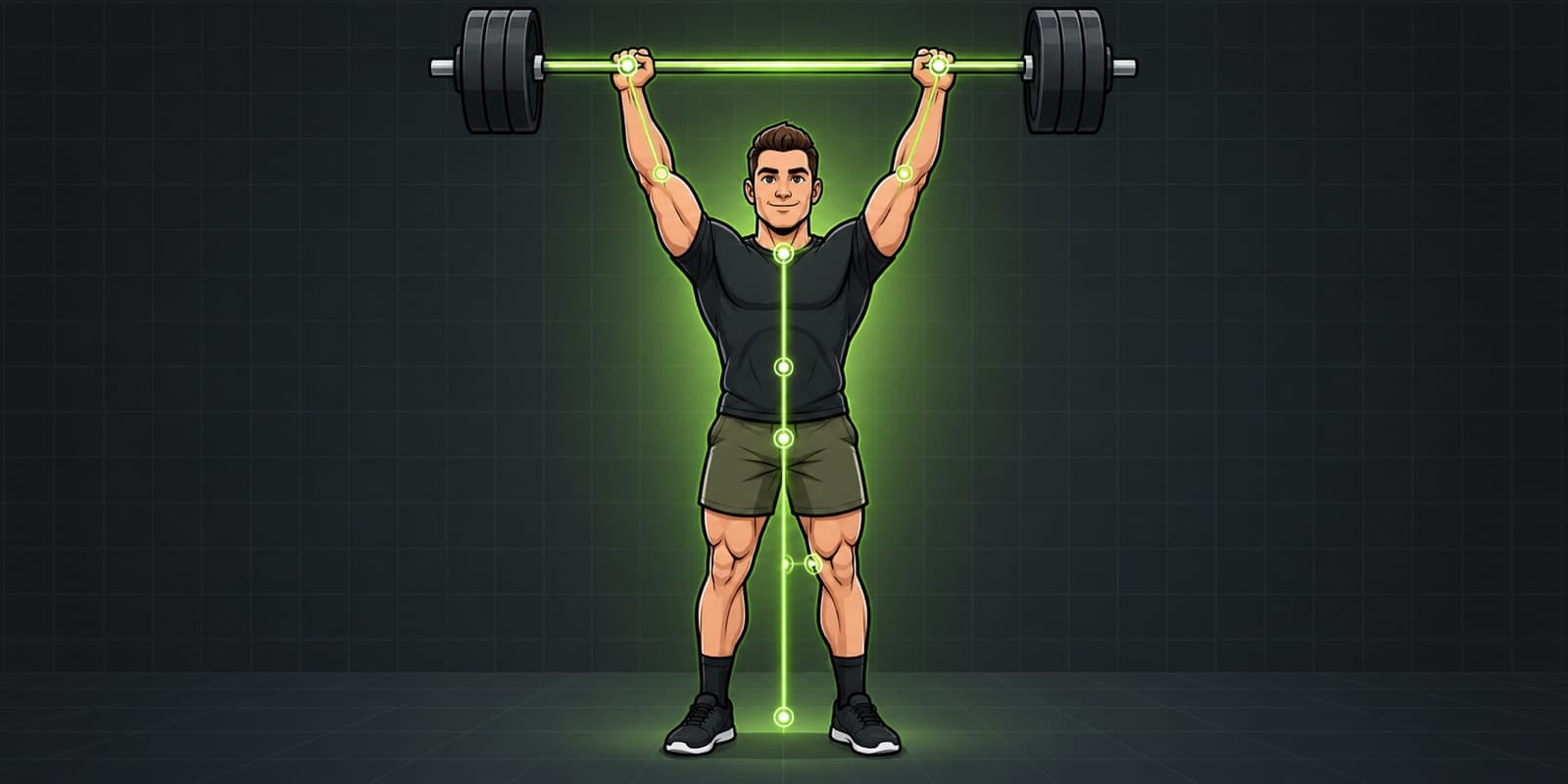
How to Overhead Press: Complete Form Guide
The standing overhead press builds shoulders, triceps and a trunk that can hold weight over its head. It is also the lift most limited by mobility and most often faked with a leg drive. Here is the setup, the bar path around the face, the lockout, the mobility you need, seated vs standing and barbell vs dumbbell, and the common faults.
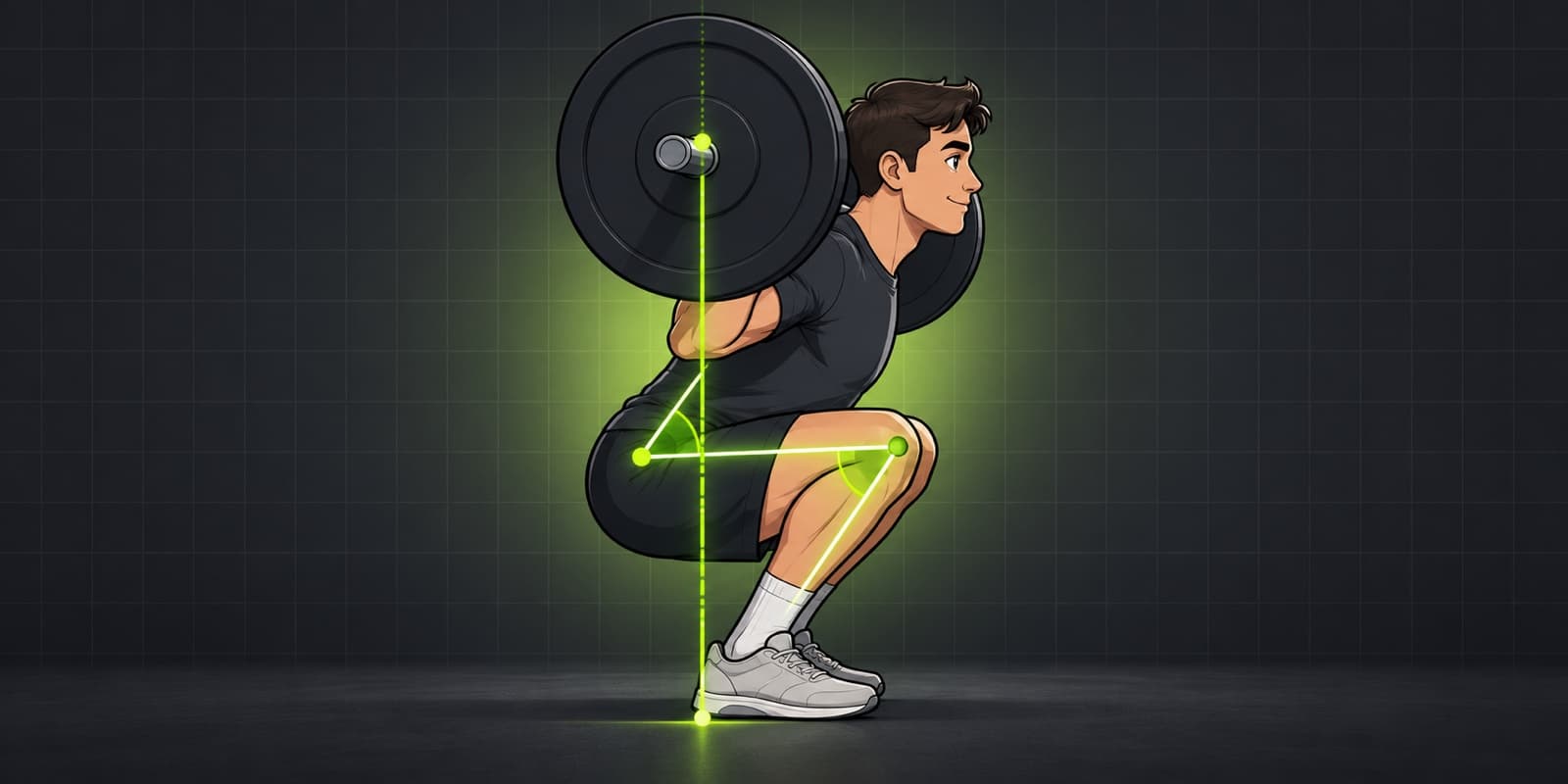
How to Squat: Complete Form Guide
The squat is the most valuable exercise in the gym and the one most people do badly. Here is a complete, evidence-based form guide: setup, bar position, stance, depth, the knees-past-toes myth, breathing and bracing, the most common faults and their fixes, and how to choose between high bar, low bar, front squat and goblet squat.

How to Start Working Out: A Beginner's Guide to the Gym
Your first weeks in the gym decide whether you are still there in a year. Here is everything a beginner actually needs: what to do on day one, a simple program that works, how to handle gym anxiety, what to eat, how sore you should be, and the mistakes that make most people quit by February.

Intermittent Fasting and Training: What the Evidence Says
Intermittent fasting is sold as a fat-loss accelerator, a muscle-sparing hack and a longevity tool. The controlled trials say something simpler: it is one way of eating fewer calories, no better or worse than others, with specific trade-offs for people who lift. Here is what the research shows about fasted training, muscle, fat loss, women and hormones, and how to make it work if you like it.
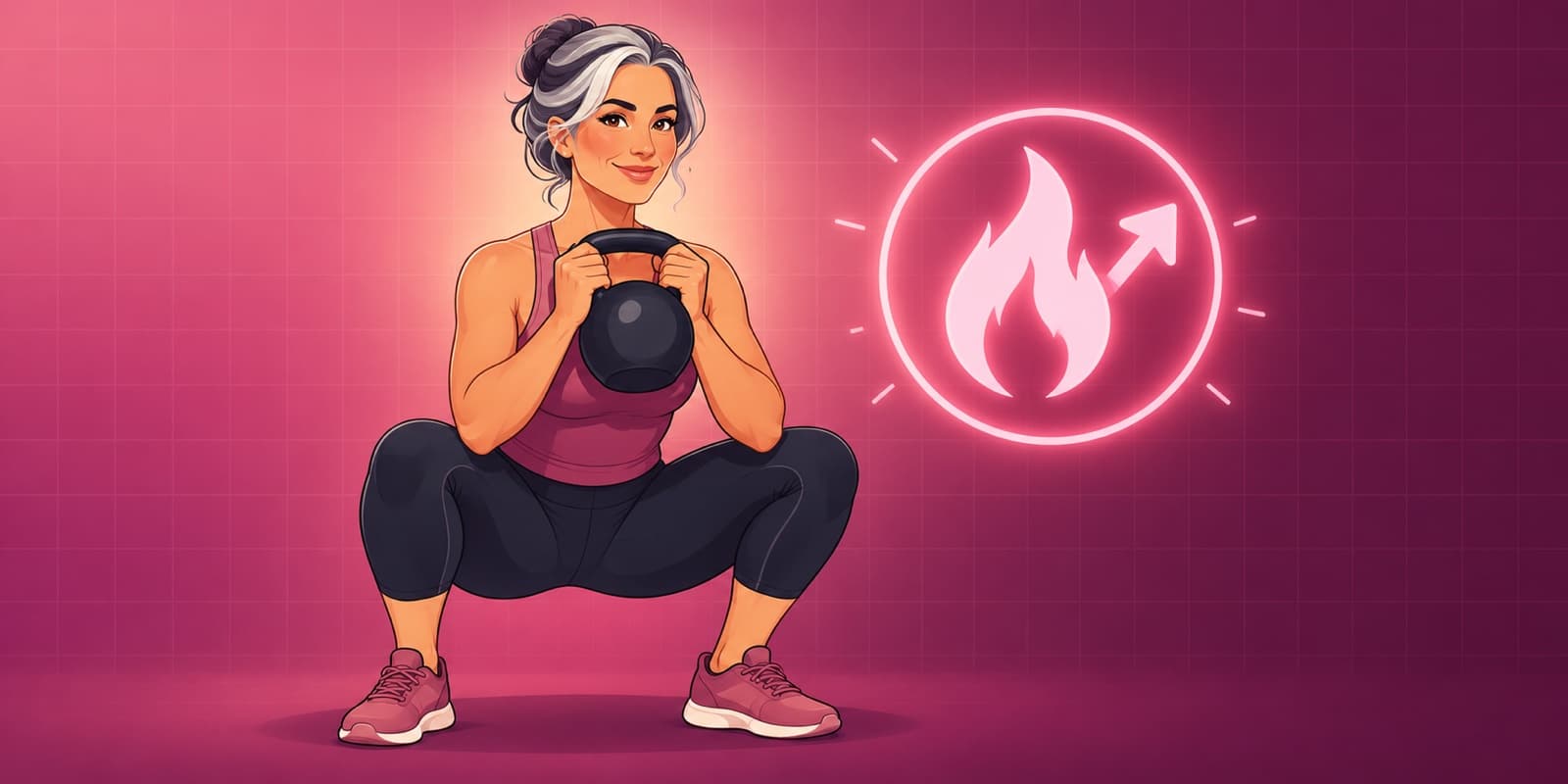
Menopause, Muscle, and Metabolism: Training After Your Cycle Ends
After menopause, estrogen settles permanently low and the body's rules change: muscle is harder to keep, belly fat is easier to gain, and metabolism drifts down. None of it is inevitable. Here is what the research shows about training, protein, HRT and creatine after the transition, and how to build a body that stays strong for decades.
How Long Does It Take to Build Muscle?
Strength goes up in the first week. Muscle takes longer, and the timeline is more predictable than most people think. Here is when real growth starts, what newbie gains actually are, realistic rates of muscle gain by training age and sex, and how to tell whether what you are seeing is muscle or water.
Overtraining vs. Overreaching: Signs, Symptoms, and Fixes
Most people who think they are overtrained are under-recovered, and the difference matters. Overreaching is a normal, sometimes planned part of hard training that resolves in days to weeks. Overtraining syndrome is rare, serious, and takes months. Here is how to tell them apart, the early warning signs in your training log and your wearable, and how to recover from each.
Perimenopause and Strength Training: The Complete Guide
Perimenopause changes how your body responds to training, sleep and food, often years before your periods stop. Strength training is the single most effective countermeasure the evidence has. Here is what is actually changing, why lifting matters more now than at any earlier age, and how to program it.

Postpartum Return to Lifting: An Evidence-Based Timeline
Six weeks is a clearance, not a training plan. Here is a realistic timeline for returning to strength training after birth, what to do about diastasis recti and the pelvic floor, how vaginal and caesarean recoveries differ, and how to rebuild toward heavy lifting without setting yourself back.
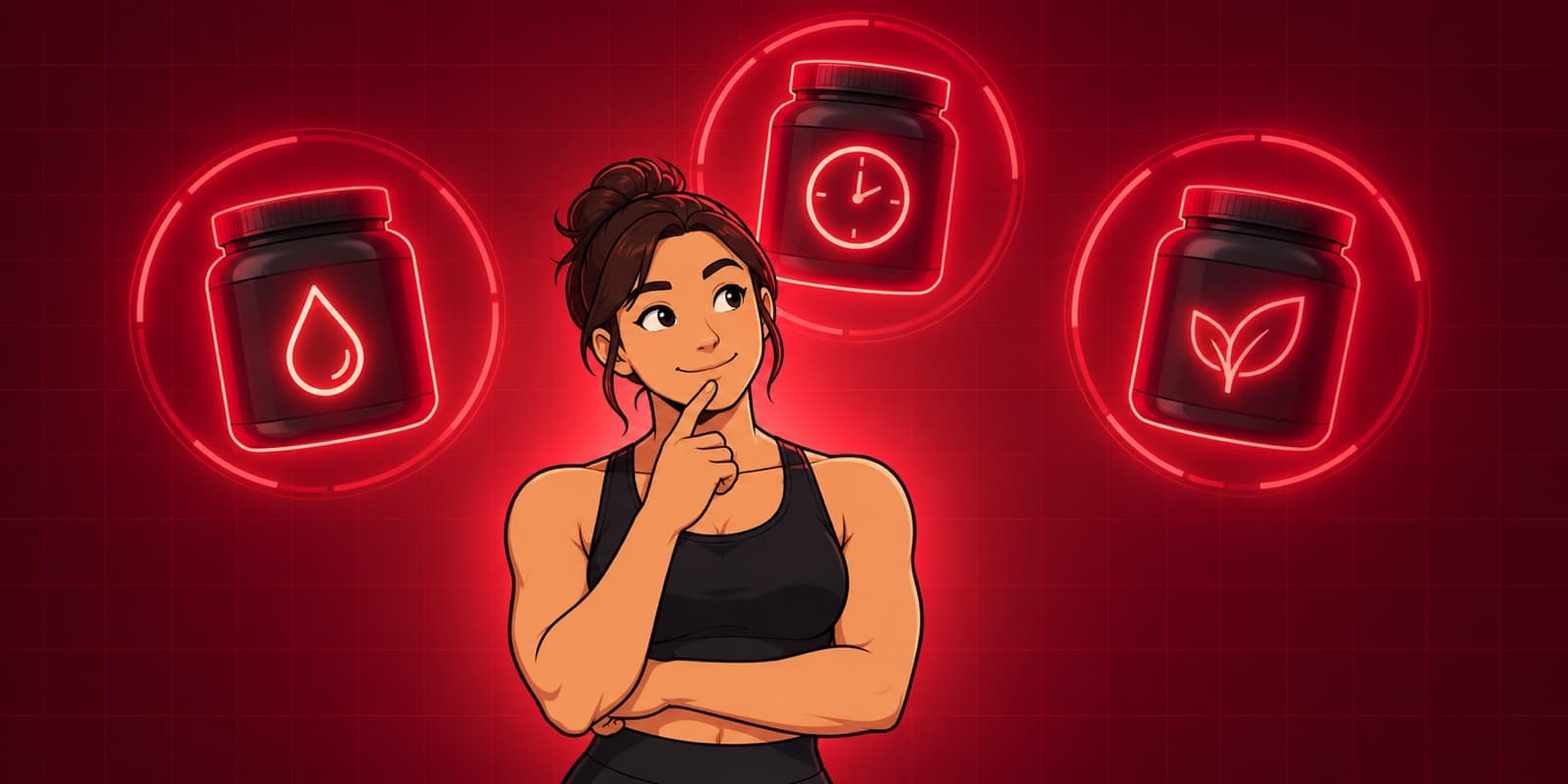
Protein Powder: Whey vs. Casein vs. Plant
Do you need protein powder at all? And if you buy one, does whey, casein, or a plant blend build more muscle? Here is what the head-to-head studies show, when each type makes sense, and how to read a label without being fooled.
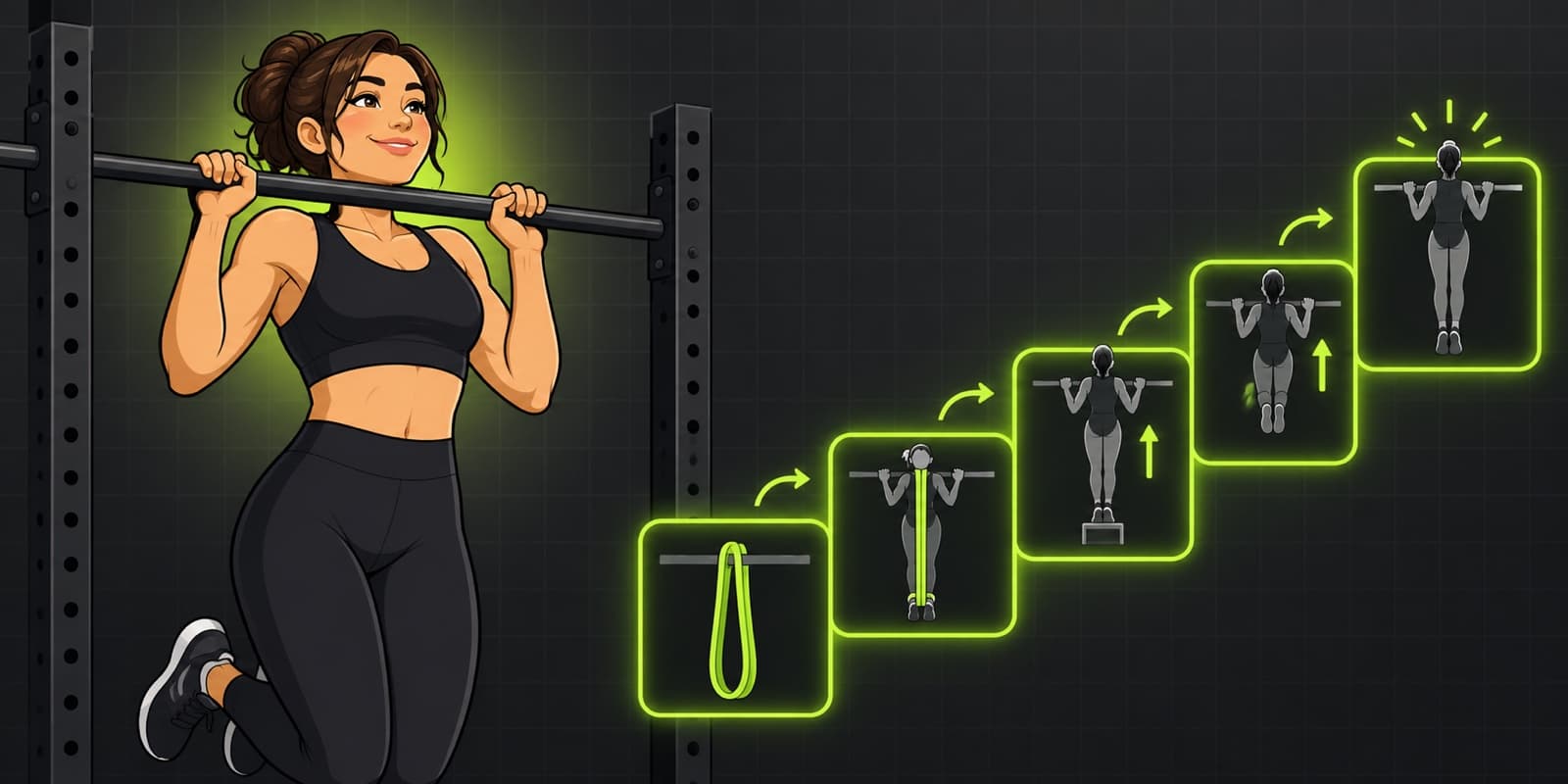
Pull-Ups from Zero: A Progression Guide
Most adults cannot do a single pull-up, and most women who train are told it will never happen. It will. Here is a progression that takes you from zero to your first strict rep and beyond: hangs, negatives, band and machine assistance, isometrics, how long it takes, what to do about grip and body weight, and the technique that makes the difference.
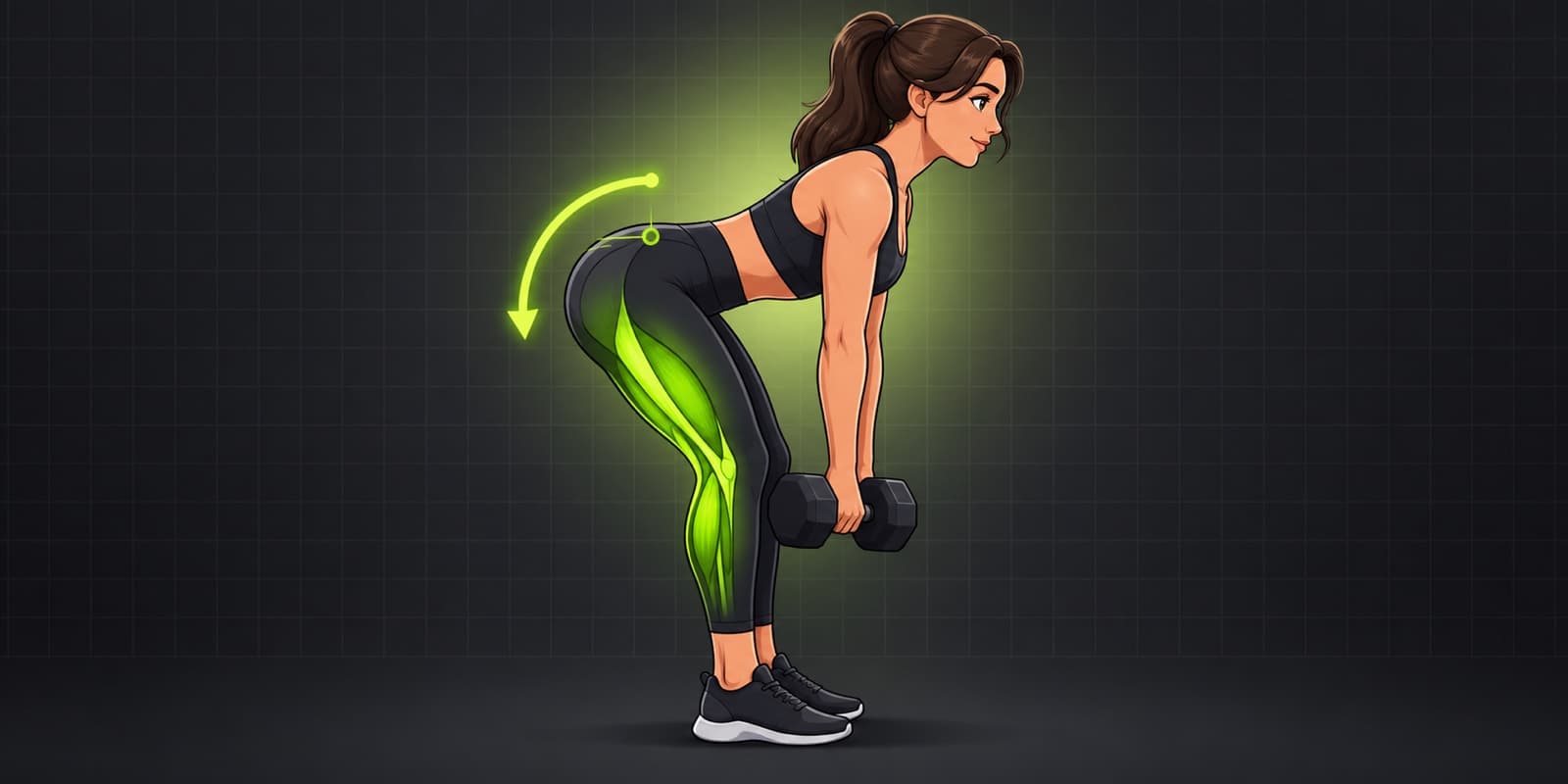
Romanian Deadlift (RDL) Guide: Form, Muscles Worked, and Programming
The Romanian deadlift is the best hamstring and glute exercise most people are doing wrong. Here is how the hip hinge works, the exact setup and range, how it differs from the conventional and stiff-leg deadlift, what the EMG and hypertrophy research say, the common faults, and how to program it for size, strength and hamstring injury prevention.

Sauna, Cold Plunge, and Recovery: Hype vs. Evidence
Cold plunges and saunas are the recovery rituals of the moment. The evidence supports some of what is claimed and contradicts the rest, including the most important point: a cold plunge after lifting can reduce the muscle you build. Here is what heat and cold actually do, when to use each, and when to skip them.

Sleep Optimization for Athletes
Sleep is the most powerful recovery tool you have and the one most people neglect. Athletes who extend their sleep get faster, stronger and more accurate; those who cut it lose muscle, gain fat and get injured more. Here is the evidence, the caffeine and alcohol maths, the bedroom setup that works, and the supplements that do and do not help.
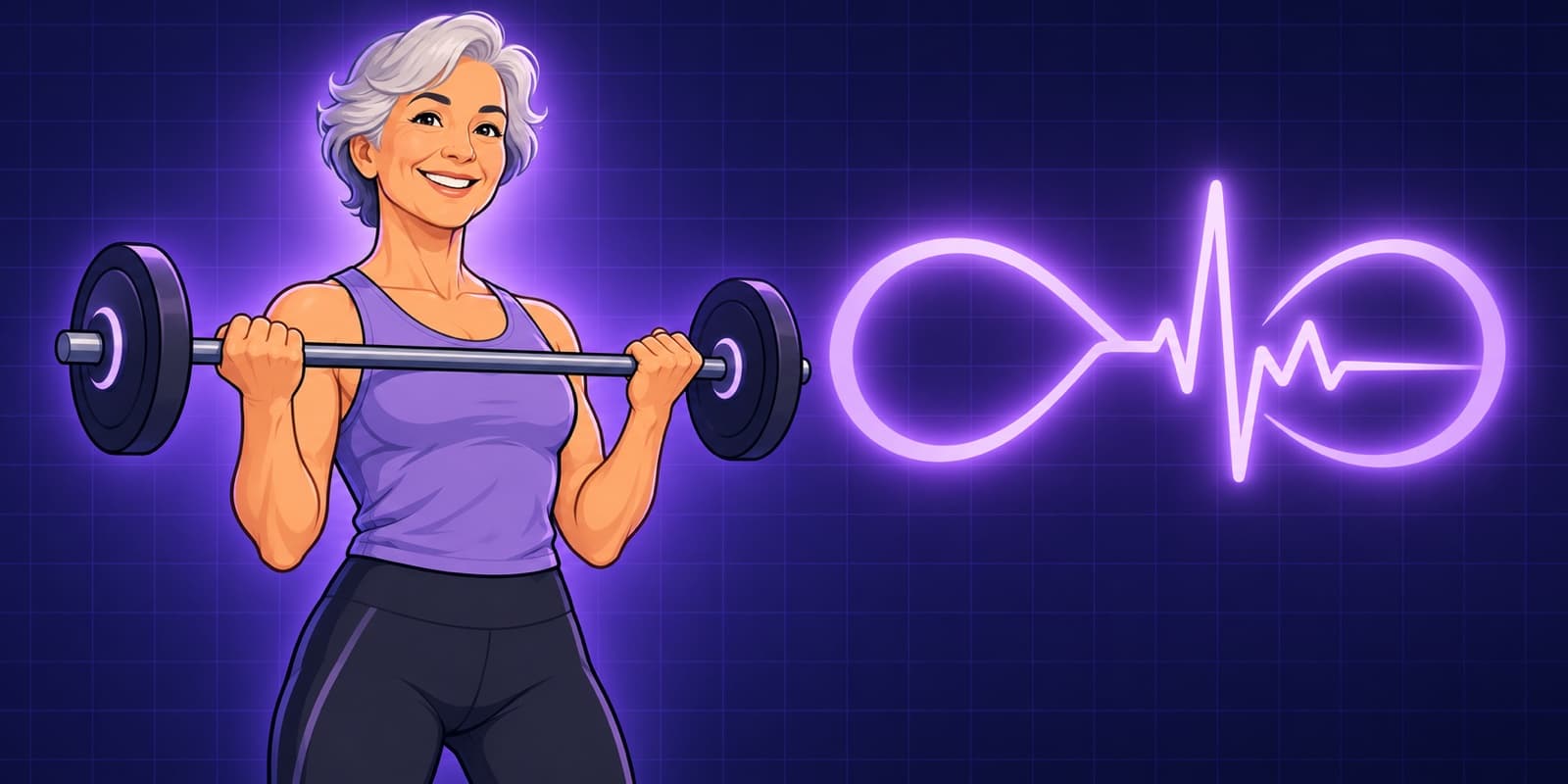
Strength Training for Longevity: Why Muscle Is the New Retirement Plan
Grip strength predicts death better than blood pressure. Muscle mass predicts survival better than body weight. And the people who lift weights a couple of times a week live longer, with fewer diseases, and stay independent later than those who do not. Here is the evidence that strength is a longevity intervention, and how to train for a body that lasts.
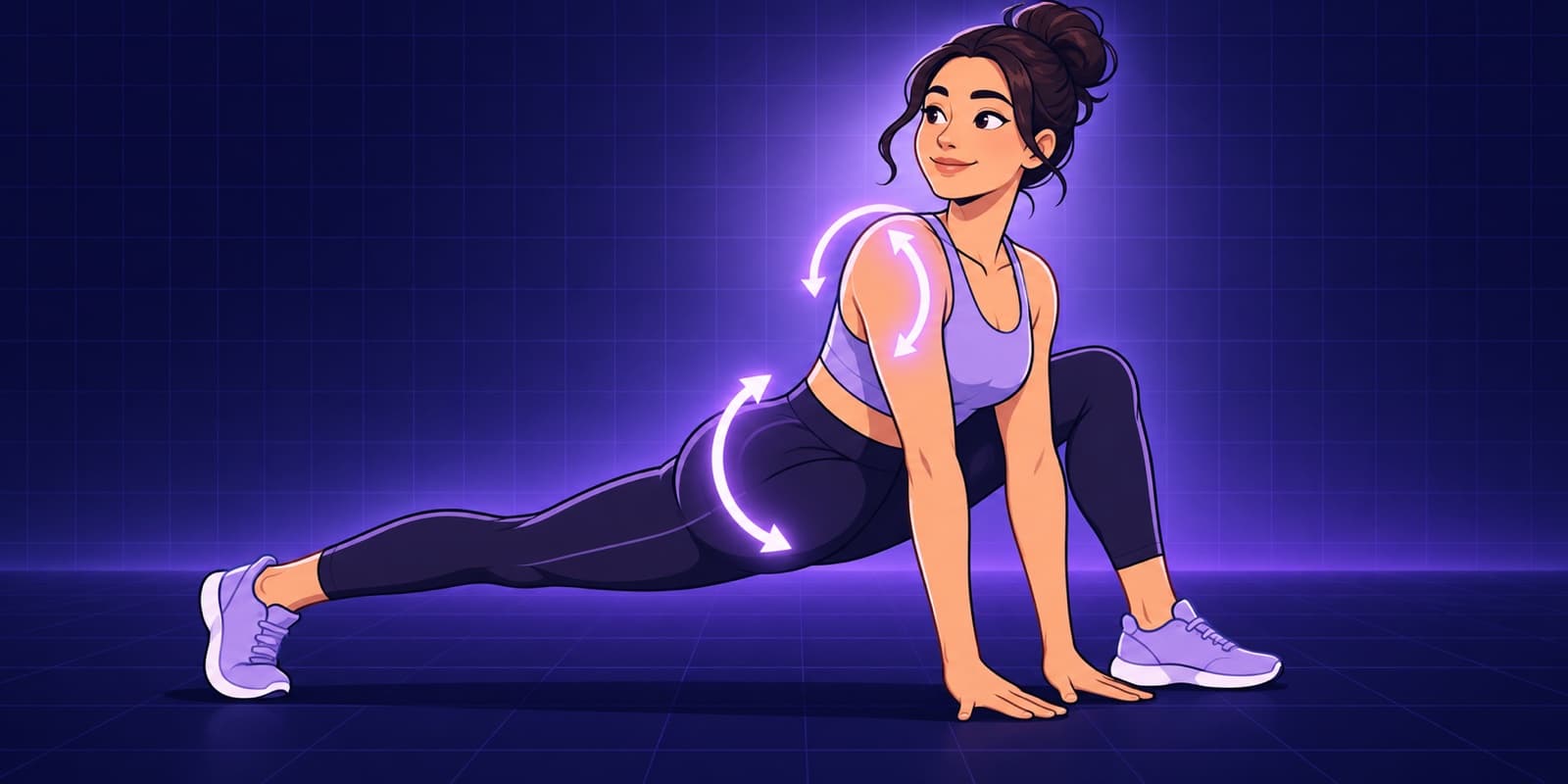
Stretching and Mobility: What the Evidence Says
Stretching is supposed to prevent injury, reduce soreness and improve performance. The research says it does none of those reliably, and that static stretching before lifting can make you weaker. Here is what stretching actually does, what mobility work is worth doing, and why strength training through a full range of motion may be the best flexibility program there is.
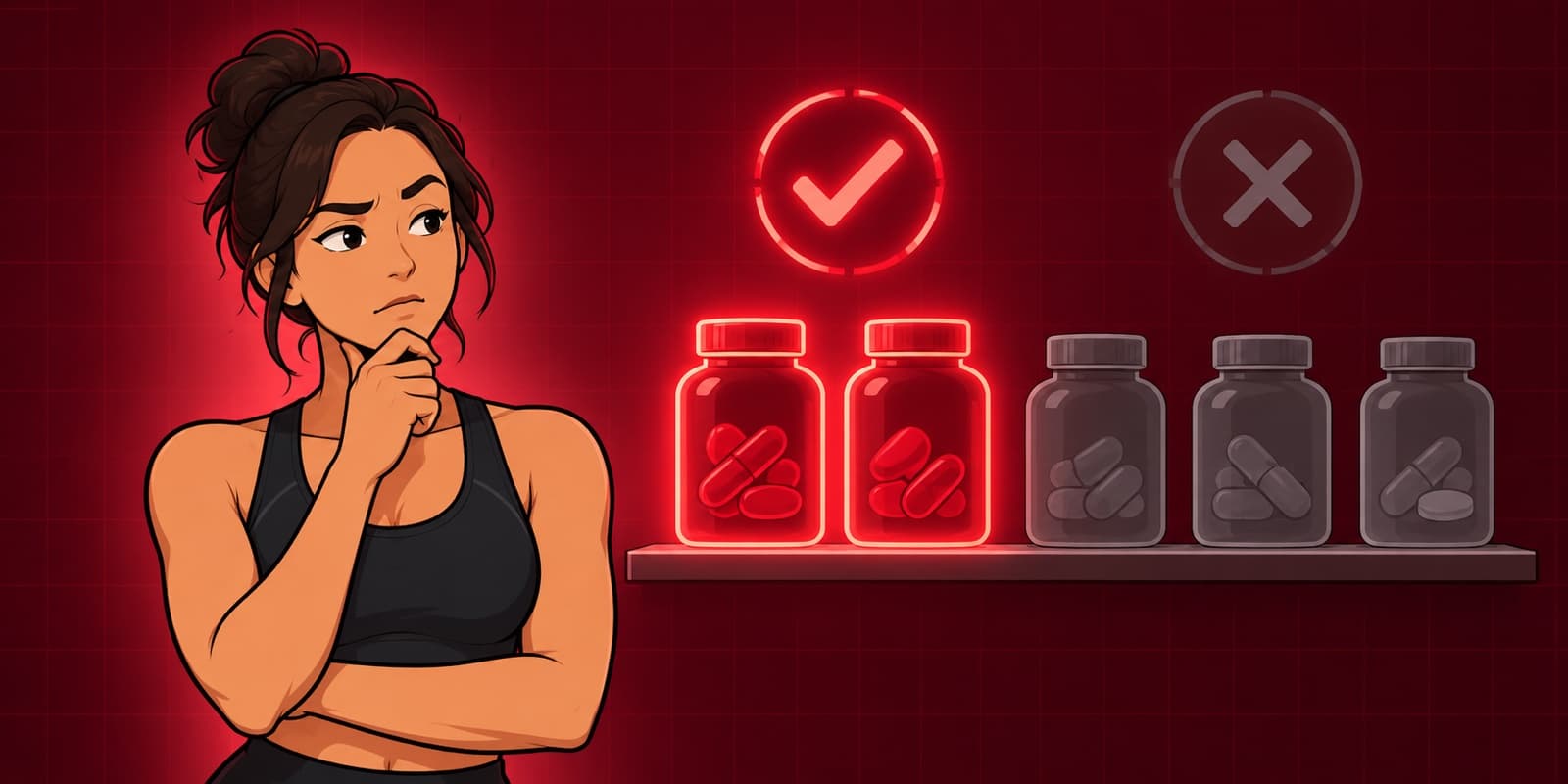
Supplements That Actually Work (And the Ones That Don't)
The supplement industry sells thousands of products and the evidence supports a handful. Here is a tiered ranking of the common ones, from the few that reliably work, through the ones with narrow or conditional benefits, to the popular products that do nothing at all.

VO2 Max: Why It Predicts Longevity and How to Improve It
Your watch shows a VO2 max number and most people have no idea what it means. It is the single strongest fitness predictor of how long you will live, it is trainable at any age, and the watch estimate is useful if you know its limits. Here is what VO2 max is, what a good number looks like, and the training that moves it.
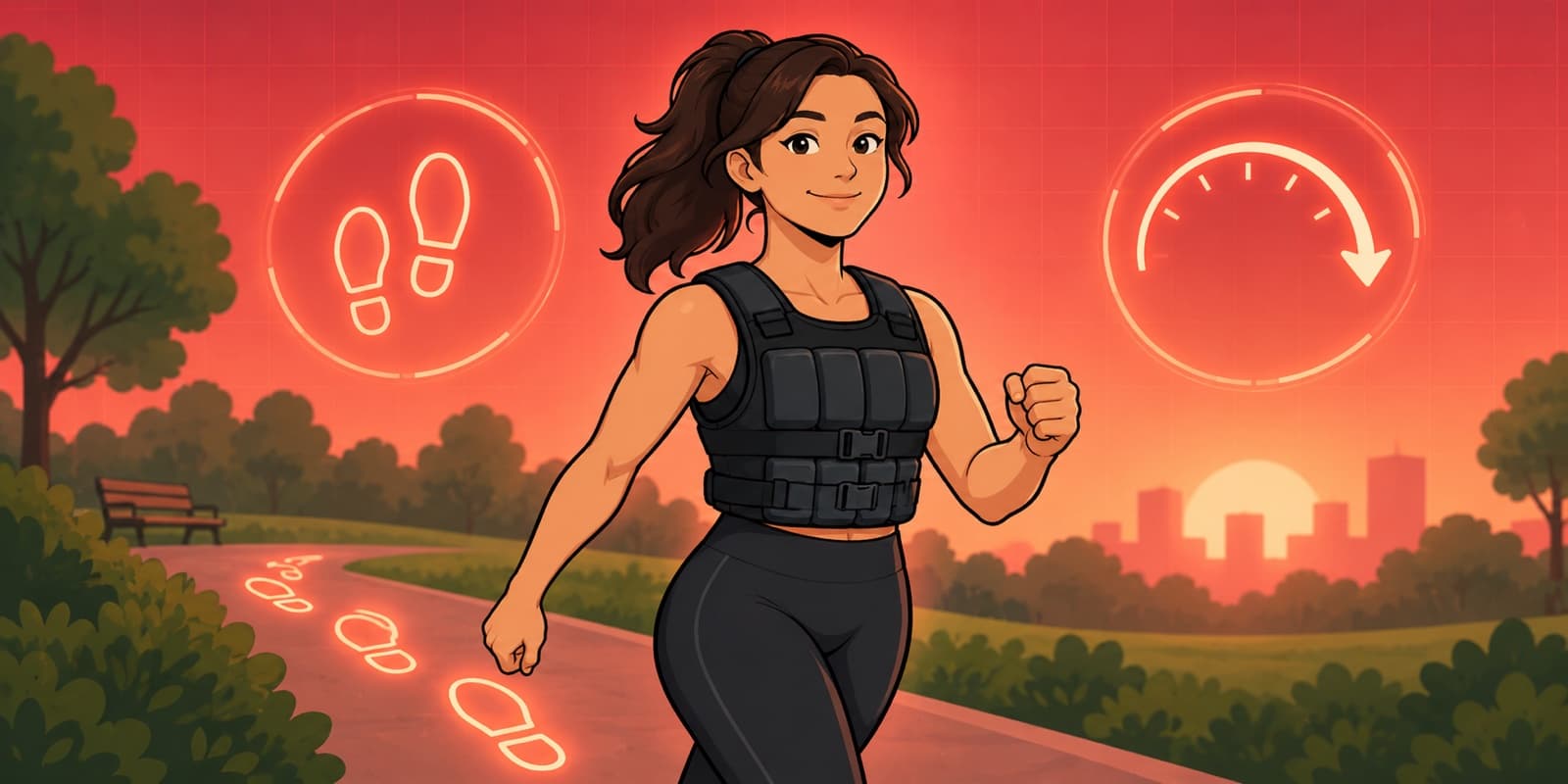
Walking for Fat Loss: Why It Beats HIIT for Most People
The least glamorous exercise is the one the evidence keeps favouring. Walking burns real calories, costs nothing in recovery, does not interfere with lifting, and people actually keep doing it. Here is how much you need, how to make it more effective with hills and weighted vests, and why it beats HIIT for most fat-loss goals.

Zone 2 Training: The Complete Guide
Zone 2 is the easy, conversational cardio that endurance coaches have prescribed for decades and that longevity researchers now recommend for everyone. Here is what it does to your mitochondria and metabolism, how to find your zone without a lab, how much you need, and how to fit it around lifting.
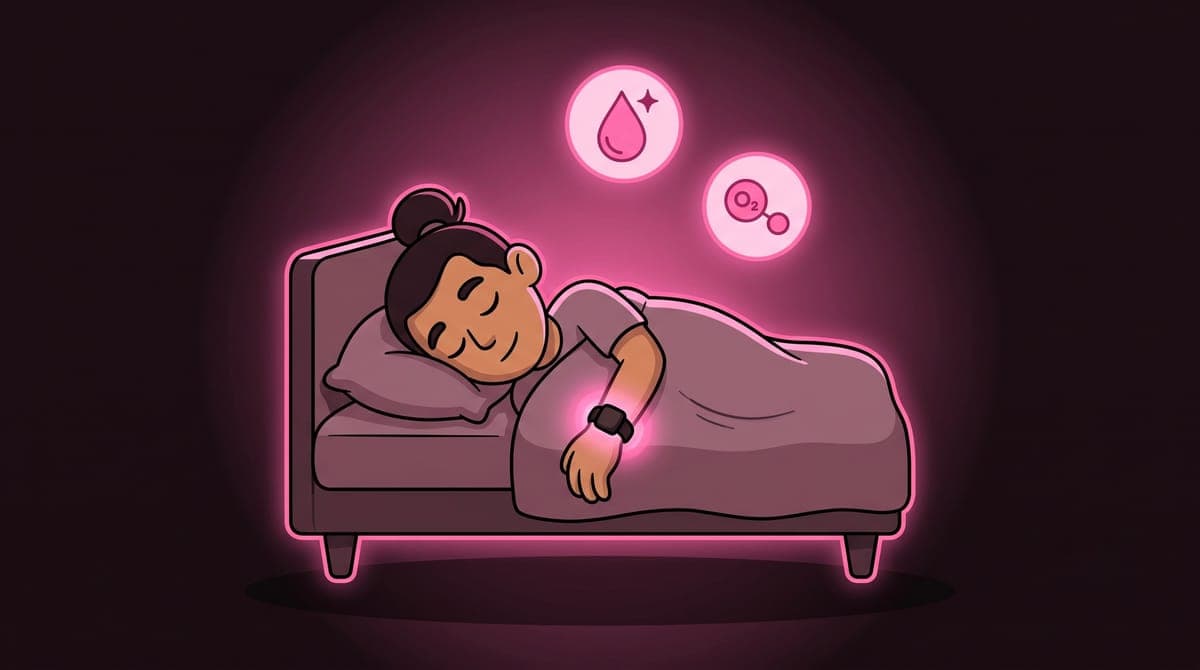
Blood Oxygen (SpO₂): What Your Watch Can and Can't Tell You
SpO₂ is the percentage of oxygen your blood carries, usually sampled during sleep on supported Apple Watches. Here's how Zealo reads it, what 95–100% actually means, and why missing data is often normal.
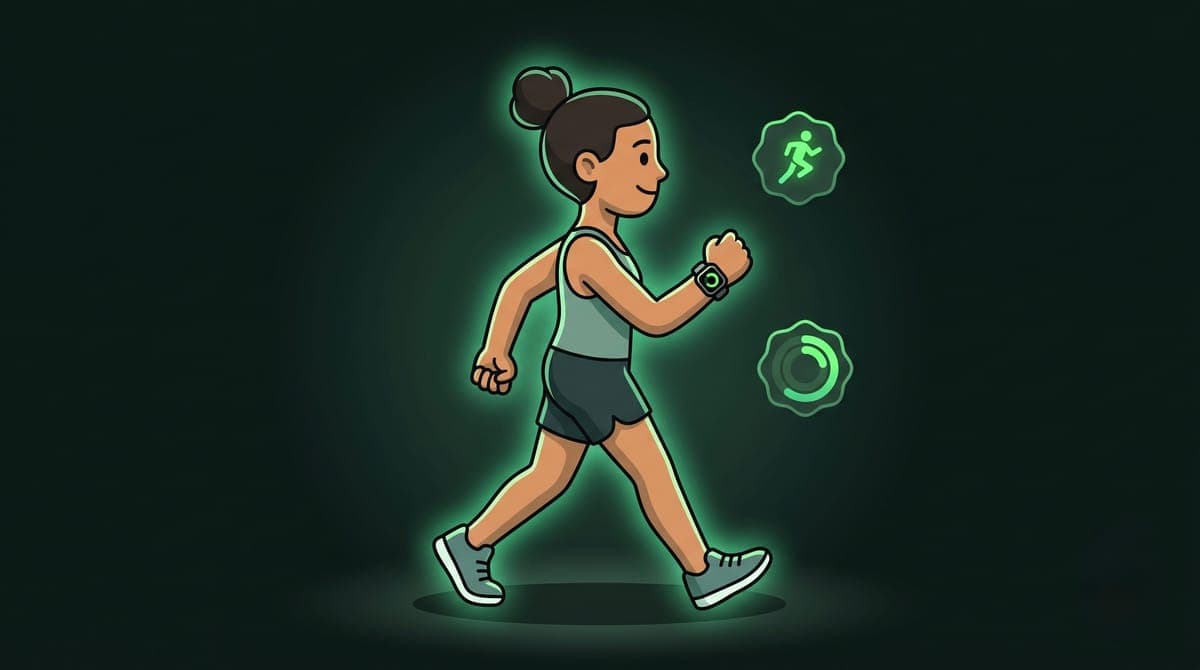
Exercise Minutes: What Counts Toward Your Ring
Exercise minutes aren't the same as workout duration. They count minutes of brisk effort toward your Apple Watch ring. Here's how Zealo displays them and how to read them next to Strain and logged workouts.
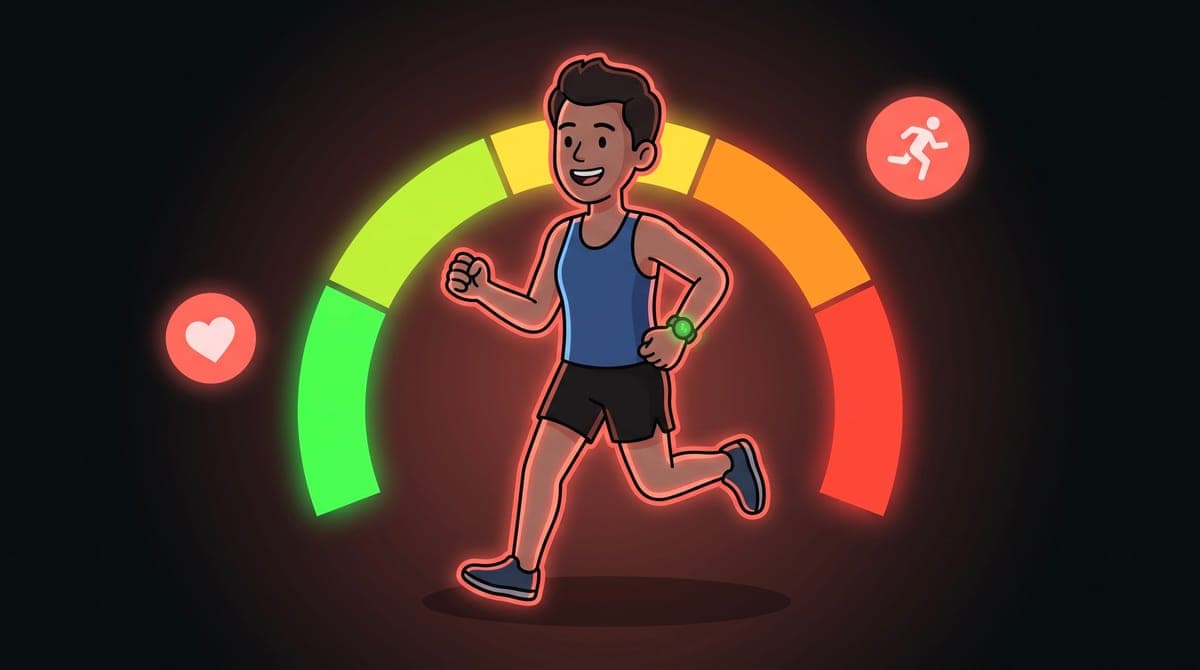
Heart-Rate Zones and Your Real HRmax
Heart-rate zones are only as good as the max they're cut from, and 220 minus age misses badly for a lot of people. Here's how Zealo finds your real HRmax, what each zone means, and how to train with them.
How Your Strain Score Actually Works
Strain answers a simple question: how much did today ask of your body? Here's how Zealo puts cardio and lifting on one scale, scores it against your own normal, and shows a gap instead of inventing a number when data is missing.

How the Stress Monitor Actually Works
Zealo's Stress score never claims to read your mind. It tracks when your heart rate runs above your own calm baseline, how the timeline works, and every place we refuse to guess.

Respiratory Rate: What Your Breathing at Night Tells You
Your watch counts breaths per minute while you sleep. It's a steady nightly vital, and a sustained move away from your usual band is worth noticing. Here's what Zealo measures and why we report the shift without grading it good or bad.
Wrist Temperature: Your Nightly Baseline Shift
Series 8 and later track how your wrist temperature shifts night to night, not your absolute body temperature but the deviation from your own baseline. Here's how Zealo reads those shifts and what they can mean.
Signal vs Noise: What Counts as Real Strength Progress
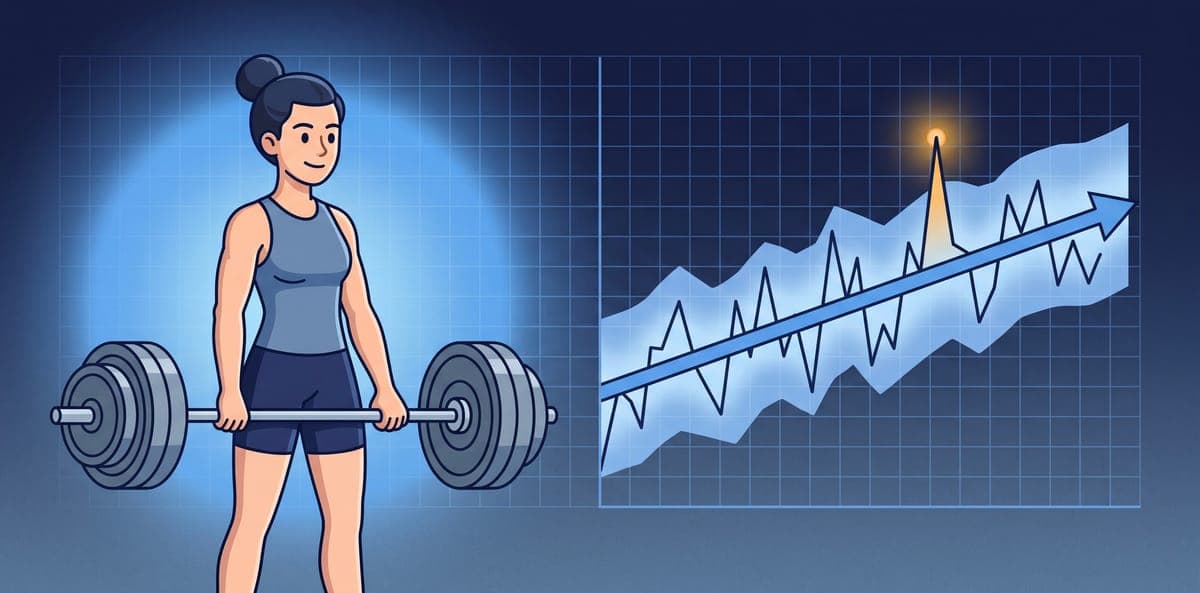
Your strength bounces a few percent every day for reasons that have nothing to do with getting stronger. Here's how to tell a real gain from the wiggle.
RIR: Reps in Reserve, and How It Pairs with RPE
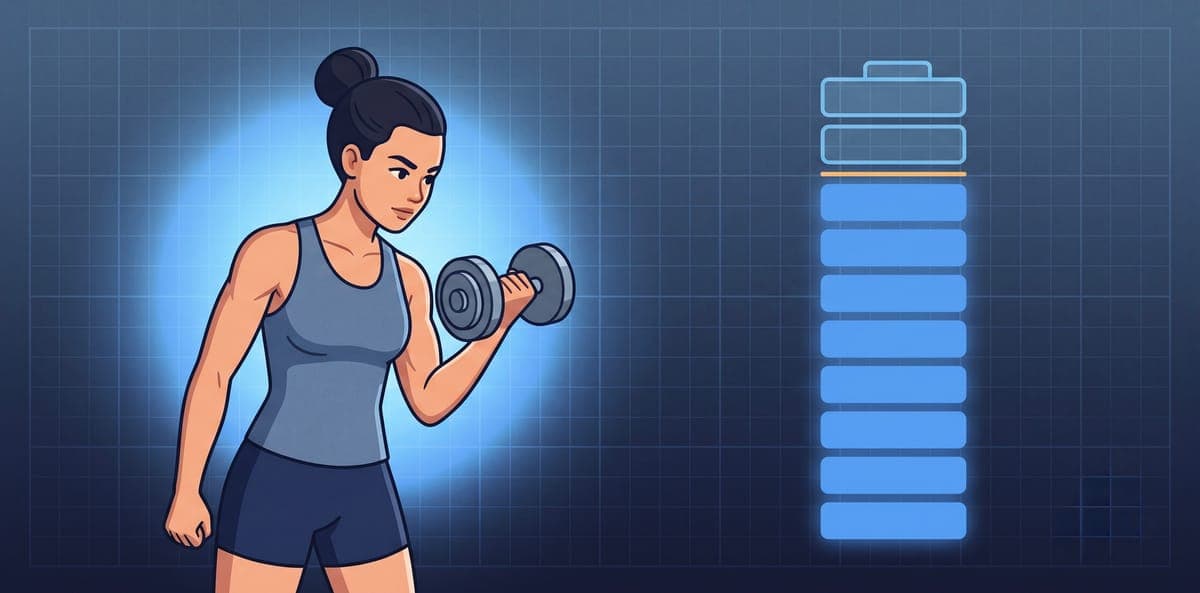
Reps in Reserve is the most intuitive way to gauge how hard a set really was. Here's what RIR means, how it maps to RPE, and how to use it to grow.
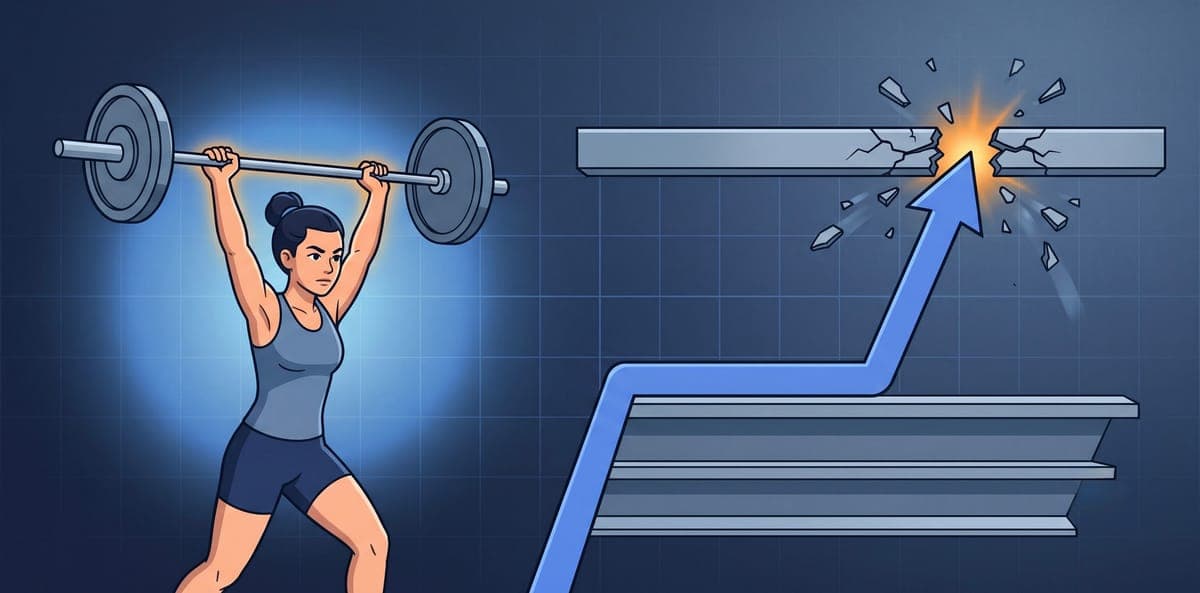
Plateaus: How to Know You've Stalled and Break Through
A bad session is not a plateau. Here's how to tell a real stall from normal noise, and the ordered ladder of fixes that actually gets you moving again.
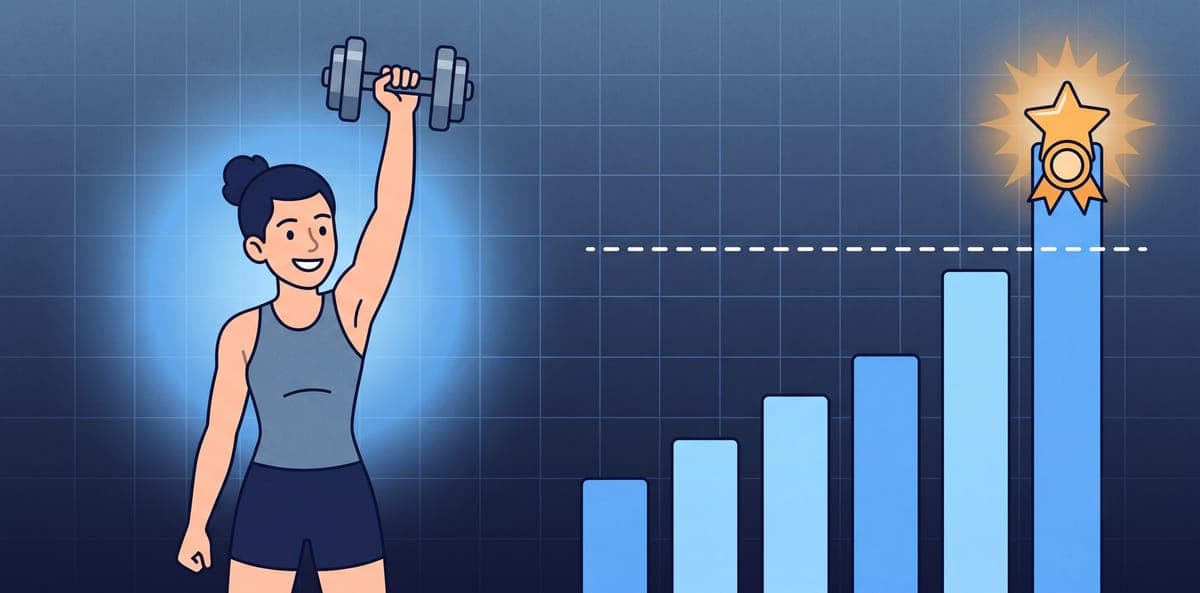
Personal Records: What Actually Counts as a PR
Not every heavy day is a personal record, and not every PR is a heavier bar. Here's how to define a true PR so the badge actually means something.
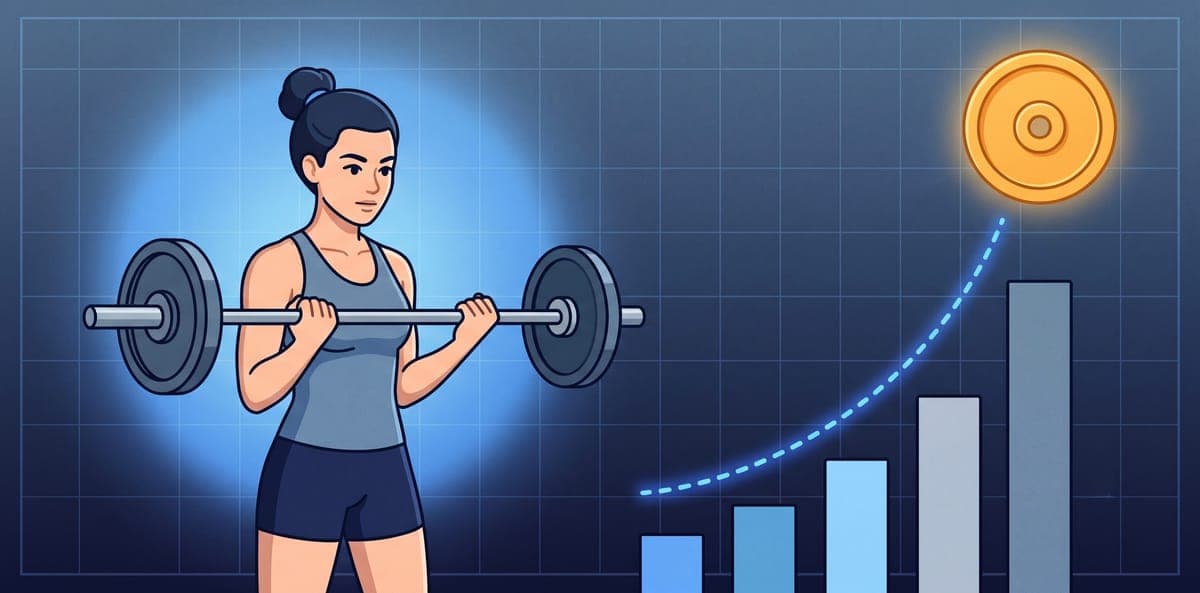
e1RM Explained: Your Estimated One-Rep Max
Your estimated 1-rep max is the single cleanest number for tracking strength over time, and you never have to grind out a true max to get it. Here's how it works.
Active Energy and Total Burn: What Your Watch Is Really Telling You
Your watch reports calories burned with impressive precision, but the number is modeled from heart rate and motion, not measured. Here's what active energy and Total Burn actually mean, and how to use the trend instead of trusting the digits.
Daily Steps: What the Number Actually Means for Your Health
Steps measure how much you move, not how recovered you are, and the 10,000 target was a 1960s marketing slogan, not science. Here's what your step count really predicts and the target the evidence actually supports.
How Your Recovery Score Actually Works
Most recovery scores hand you a number and hope you trust it. Here's exactly what Zealo measures, why your "normal" reads as 70 instead of 100, and the one place we flatly refuse to make a number up.
HRV and Recovery: What the Gaps Between Your Heartbeats Actually Tell You
Heart rate variability is the single best physiological window into how recovered you are, but only if you read it right. Here's what HRV actually measures, why a trend against your own baseline beats any single number, and why some wearables can't give it to you at all.
Resting Heart Rate: The Quietest Recovery Signal You Own
Your resting heart rate is one of the oldest, cheapest recovery signals in existence, and one of the most misread. Here's why the number itself barely matters, but its drift from your own baseline tells you when to push and when to back off.
Sleep and Recovery: Why Zealo Grades Your Sleep on a Fixed Bar
Sleep does the actual repair work, and it's the one recovery signal Zealo refuses to grade on a curve. Here's why your score measures sleep against a fixed bar instead of your personal average, and which levers actually move the number.
No Wearable? Here's How Zealo Reads Your Training Readiness
No wearable? Zealo won't fake a recovery score: it shows Training Readiness built from what it actually knows: your logged training and how you say you feel. Here's what goes into it, why the honest label matters, and how to use it to call a push day or a back-off day.

Walking and Running Distance: The Aerobic Base Under Your Lifting
Distance is the honest measure of how much easy aerobic work you actually do, and a strong aerobic base makes you recover faster between sets and train harder for longer. Here's why lifters underrate it, and how to add it without wrecking your recovery.
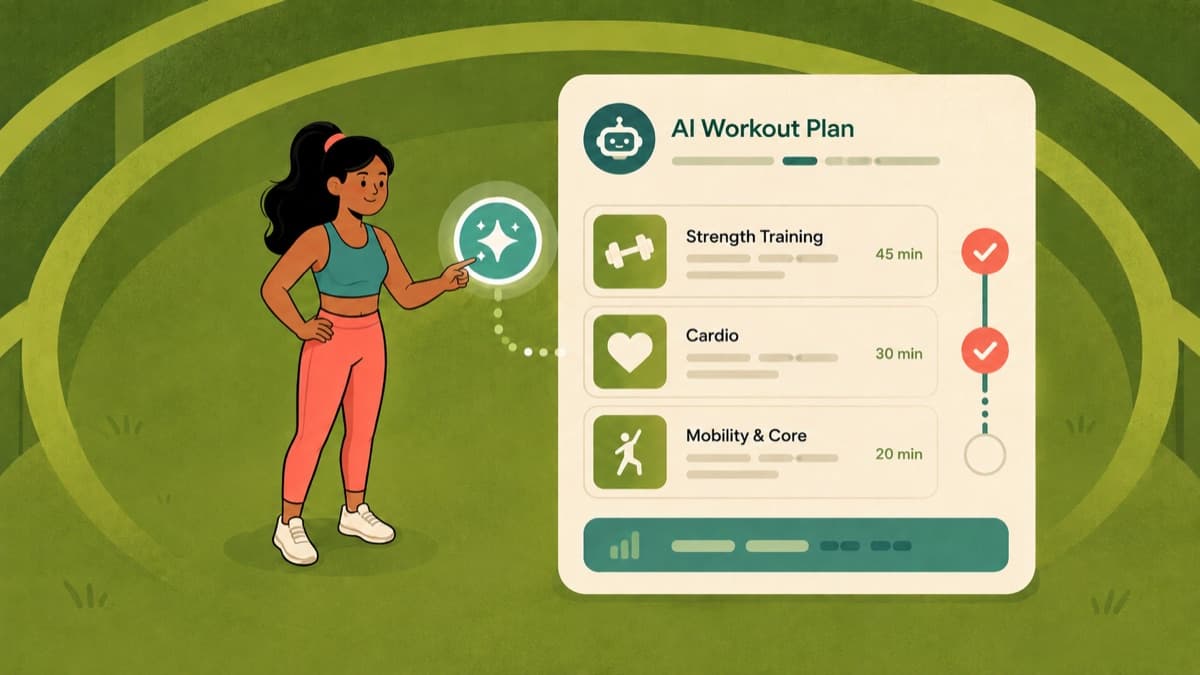
Plan Generation in Zealo: What It Does, When It Is Available
Plan generation is conditional in the current build, and the structure it produces is deterministic rather than improvised. Here's an honest account of what it does and what to check before relying on it.
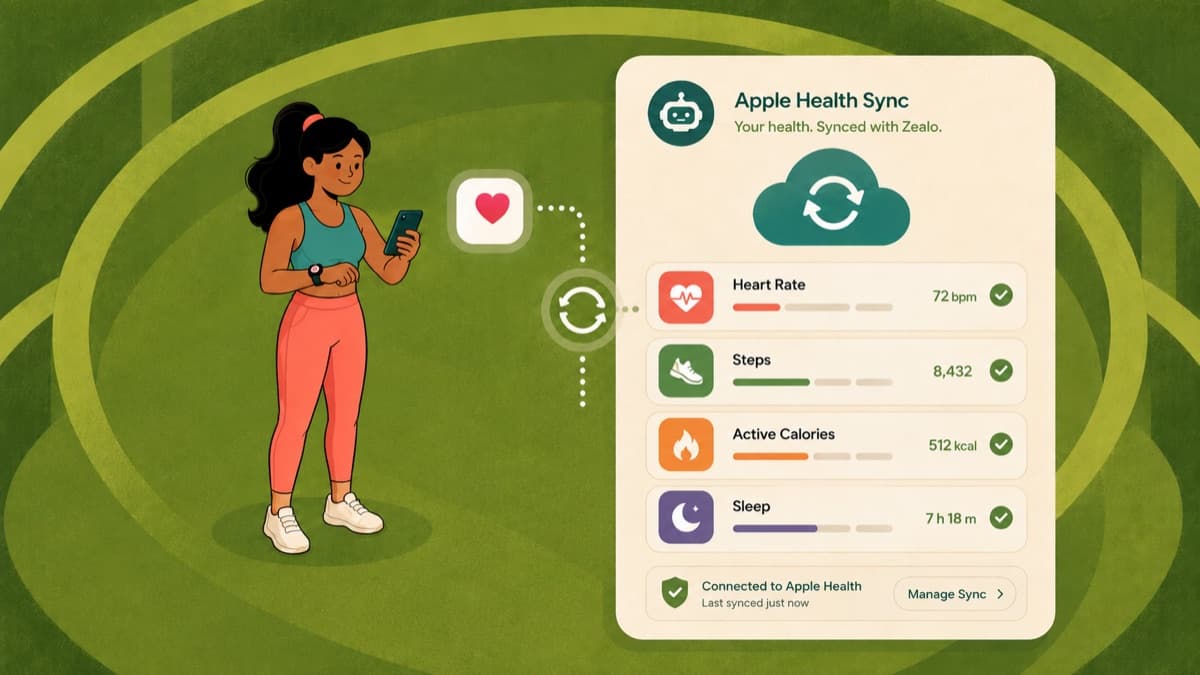
Setting Up Apple Health Sync in Zealo
Zealo reads health data from Apple Health through HealthKit. Here's what it reads, how to grant permissions, and how to troubleshoot a connection that is not working.
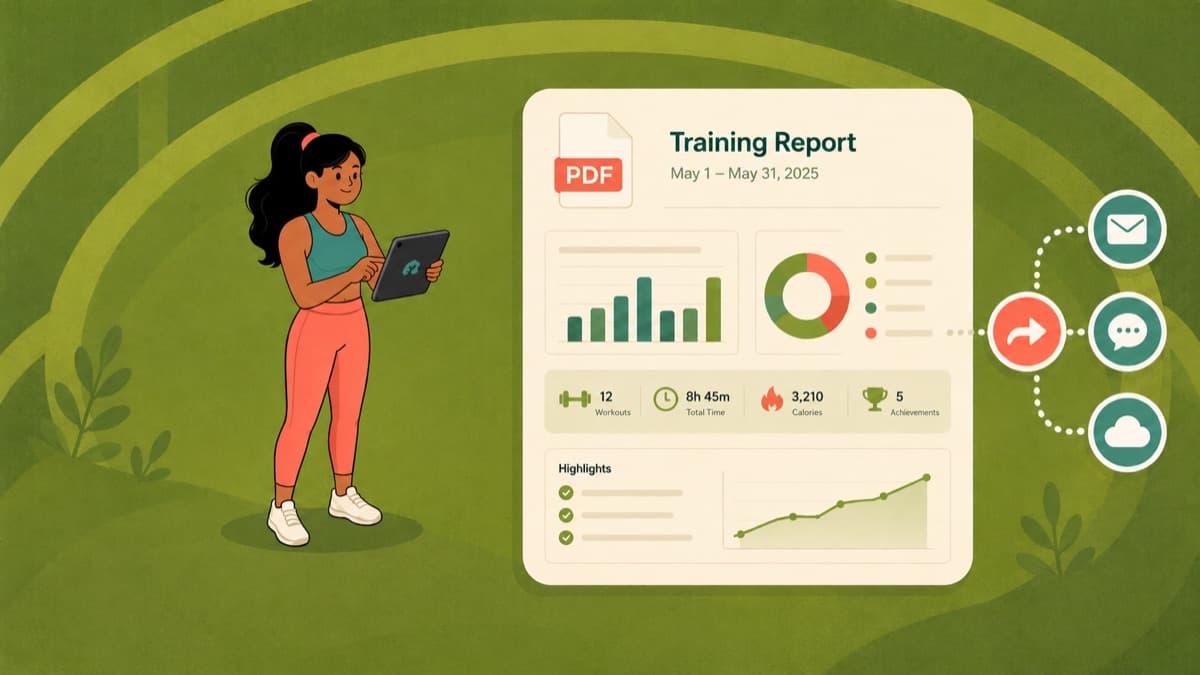
Generating and Sharing PDF Reports in Zealo
Zealo exports your training data as polished PDF reports. Here's what's included, how to customize them, and how to use them for program reviews with your trainer.
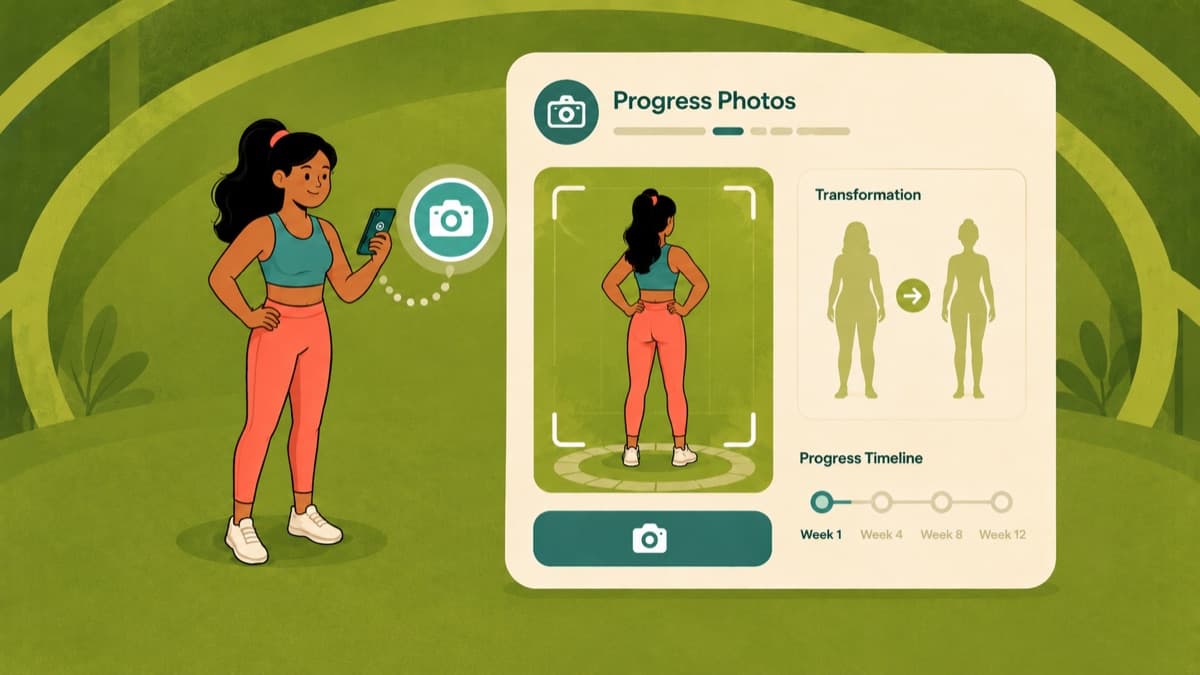
Progress Photos: How to Take Them So They Actually Tell You Something
Progress photos only work if they are consistent. Here's how to standardise lighting, angles, timing, and clothing so that the only thing changing between shots is you.
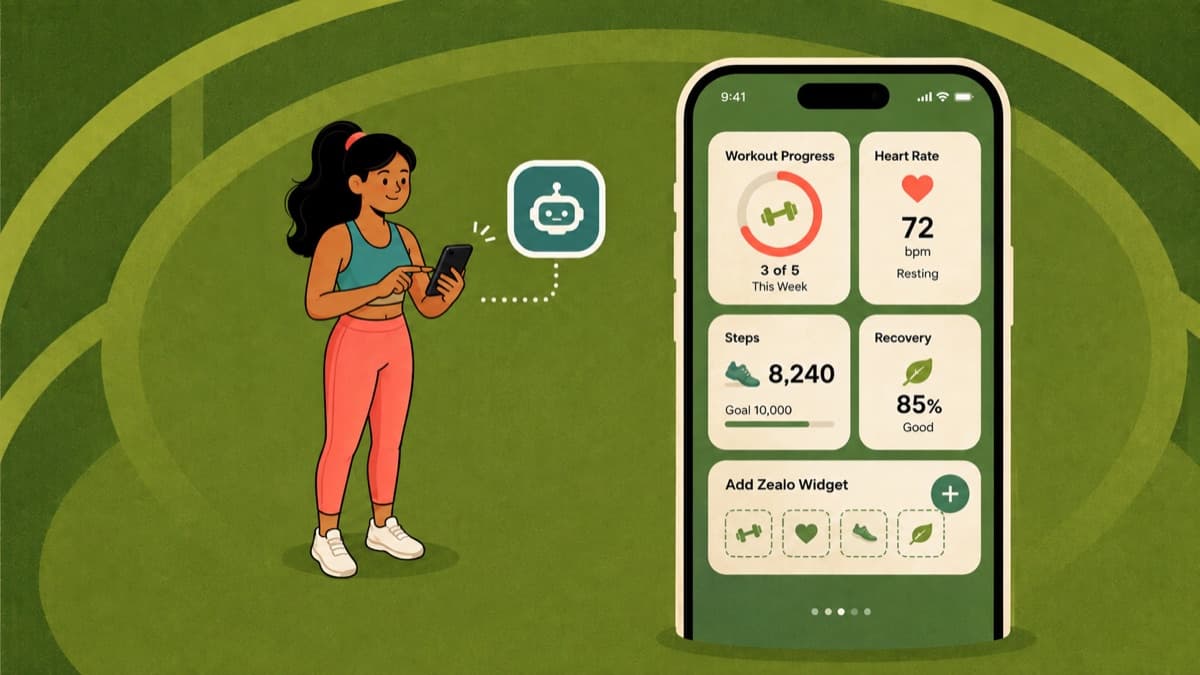
Setting Up Zealo Widgets on iOS
Zealo offers home screen and lock screen widgets that keep your training data visible at a glance. Here's how to set them up and get the most from each one.
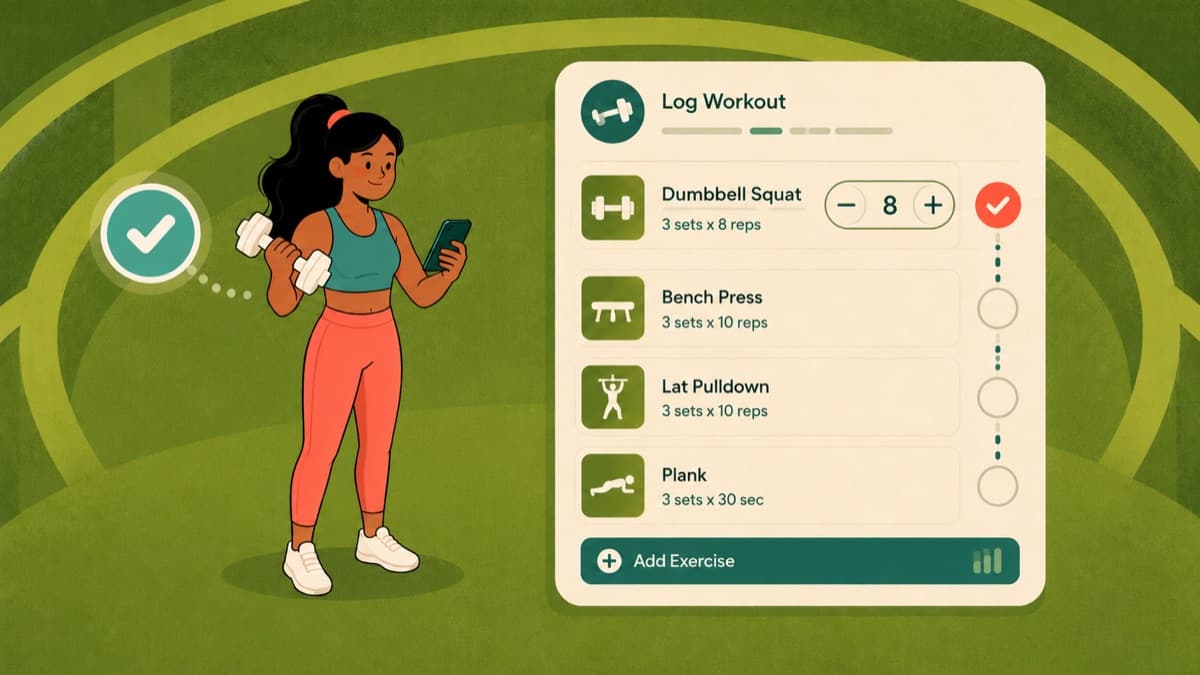
Complete Guide to Logging Workouts in Zealo
Everything you need to know about tracking your training sessions in Zealo, from starting a workout to reviewing your performance after the last set.

Follicular Phase Training: What the Evidence Really Says
Estrogen rises across the follicular phase, but that does not make it a reliable PR schedule. Here's what holds up, what doesn't, and why feeling good is the signal worth acting on.

Hormonal Contraceptives and Training: What the Evidence Really Says
Hormonal contraception flattens the natural cycle. Here's what the research actually shows about strength, muscle, and recovery, and why 'you can't progress on birth control' is not supported.

Iron Deficiency in Active Women: Risk Factors and Why Testing Matters
Iron deficiency is common in active women and it affects performance. This is education about risk factors and what a proper test involves, not a self-diagnosis checklist or a supplement plan.

Ovulation and Performance: What the Evidence Really Says
Estrogen and testosterone both peak around ovulation, but that does not hand you a scheduled strength window. Here's what the research supports, including a measured look at the ligament laxity question.

PCOS and Training: What Exercise Education Can (and Cannot) Say
General education on training with PCOS: why consistency and resistance training often help, what this page will not diagnose or prescribe, and when to involve a clinician.

Recovery Across Your Cycle: Averages, Signals, and What to Program
Sleep, HRV, and inflammation shift on average across the cycle, but averages are a weak guide to your own recovery on a given day. Here's how to program by logged recovery and performance instead.
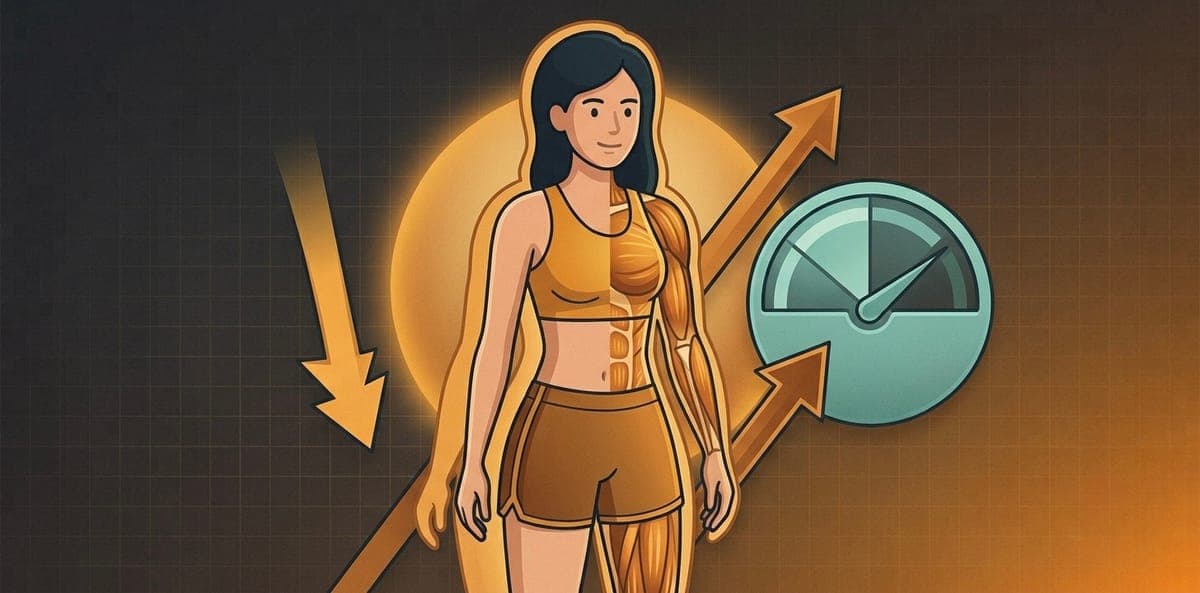
Body Recomposition: How to Build Muscle and Lose Fat at the Same Time
Body recomposition (gaining muscle while losing fat simultaneously) is real, but only under specific conditions. Here's the science on who can do it, how, and what to expect.
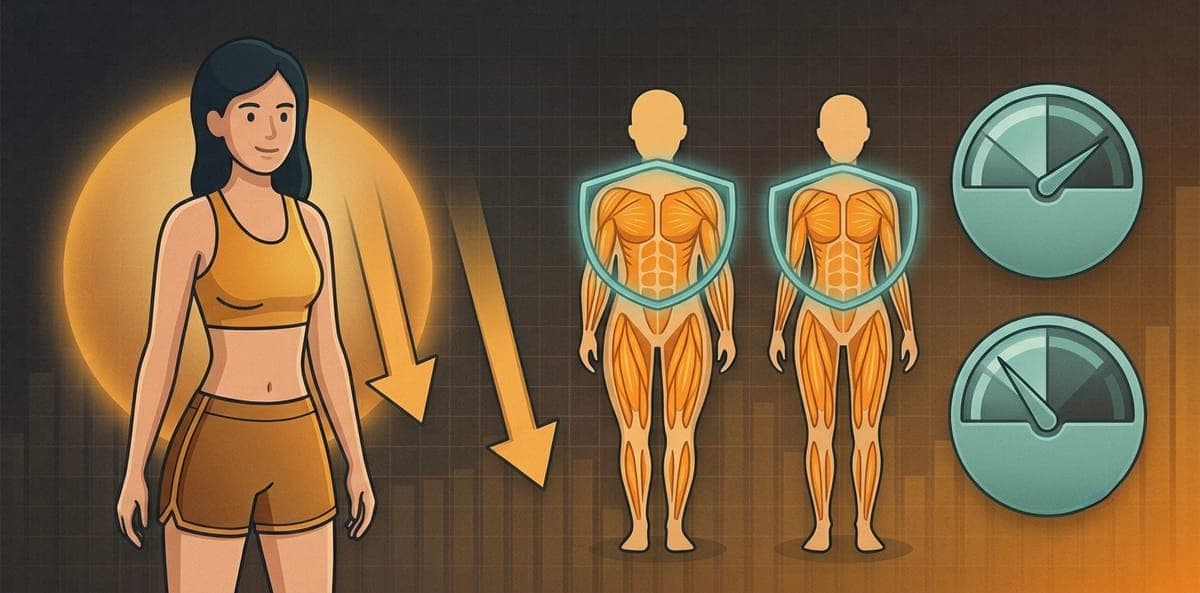
The Cutting Guide: How to Lose Fat and Keep Your Muscle
A proper cut means losing fat while preserving muscle. Here's the evidence-based protocol: deficit sizing, protein targets, training adjustments, diet breaks, and refeed days.
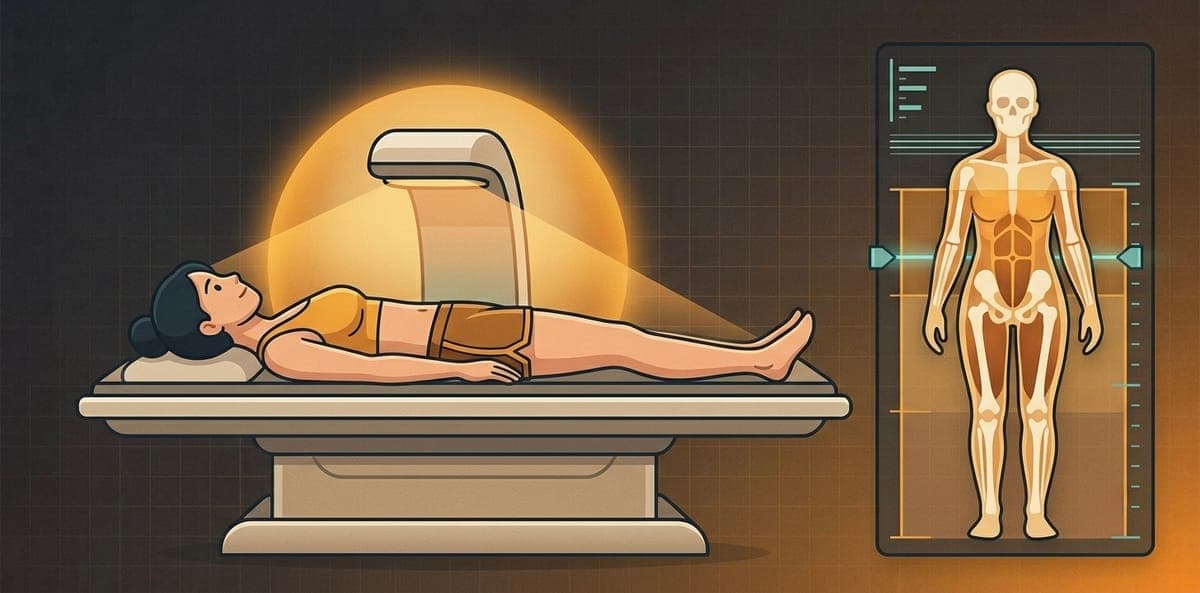
DEXA Scan Guide: The Gold Standard for Body Composition
DEXA scans use dual-energy X-rays to map your body composition with clinical precision. Here's how they work, what the results mean, and how they compare to other methods.
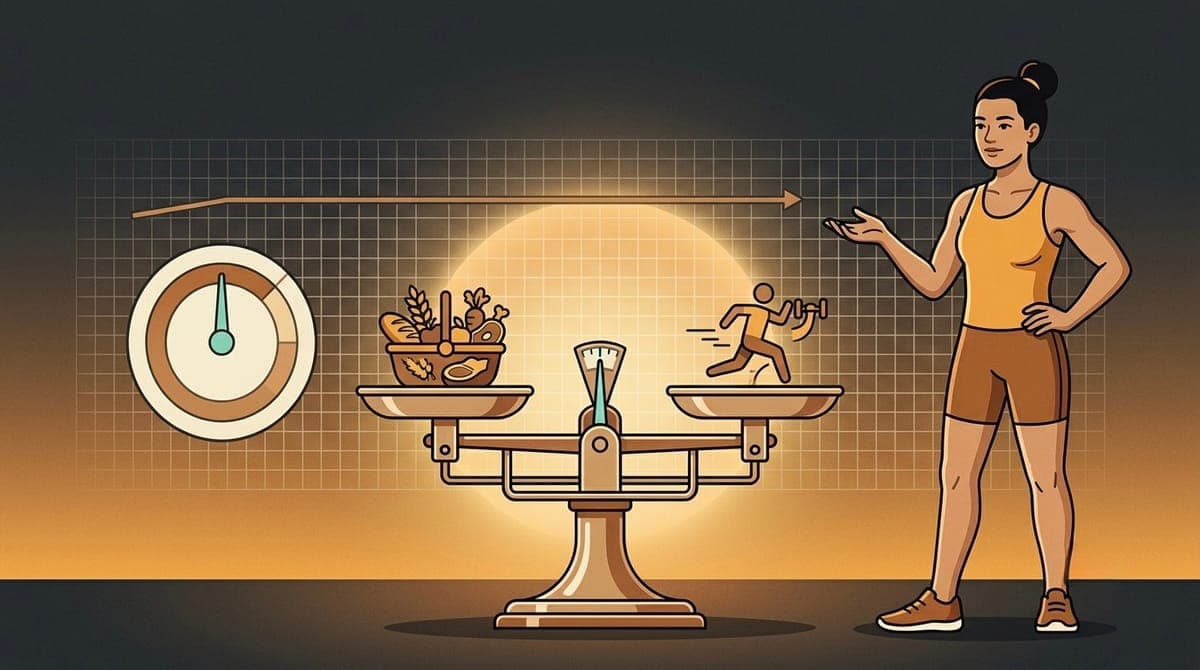
Maintenance Calories: How to Find and Use Your True TDEE
Your maintenance calories are not a fixed number from a calculator. They shift with activity, adaptation, and stress. Here's how to find your real TDEE and why spending time at maintenance matters.
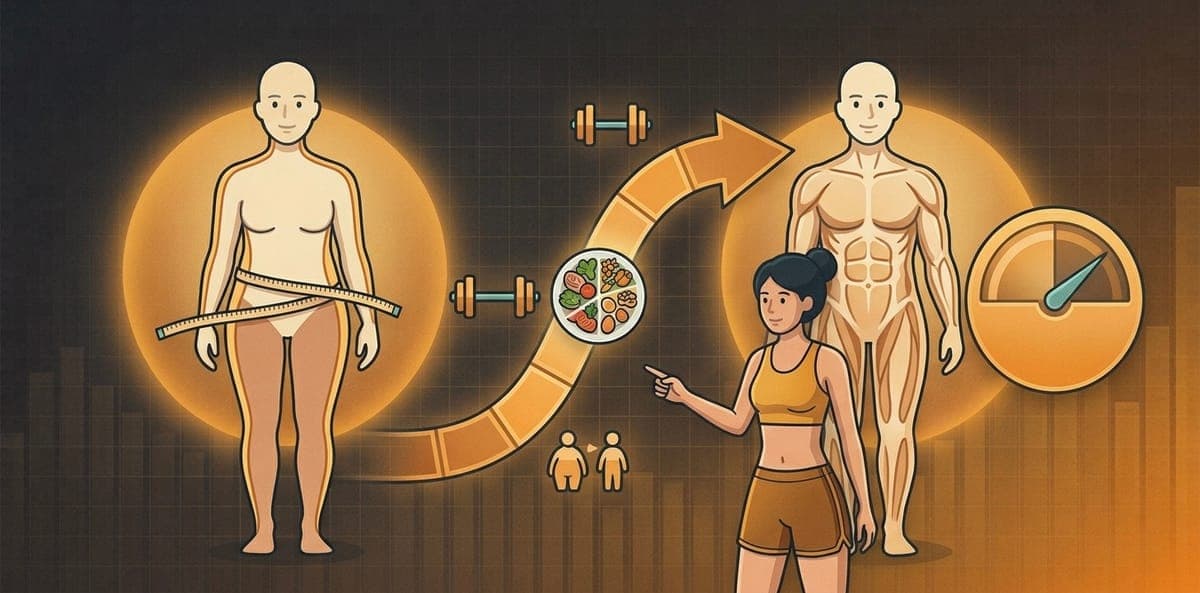
The Skinny Fat Solution: Fix Your Body Composition
Normal weight but high body fat: the 'skinny fat' phenotype is more common and more dangerous than people realize. Here's why it happens and the exact protocol to fix it.
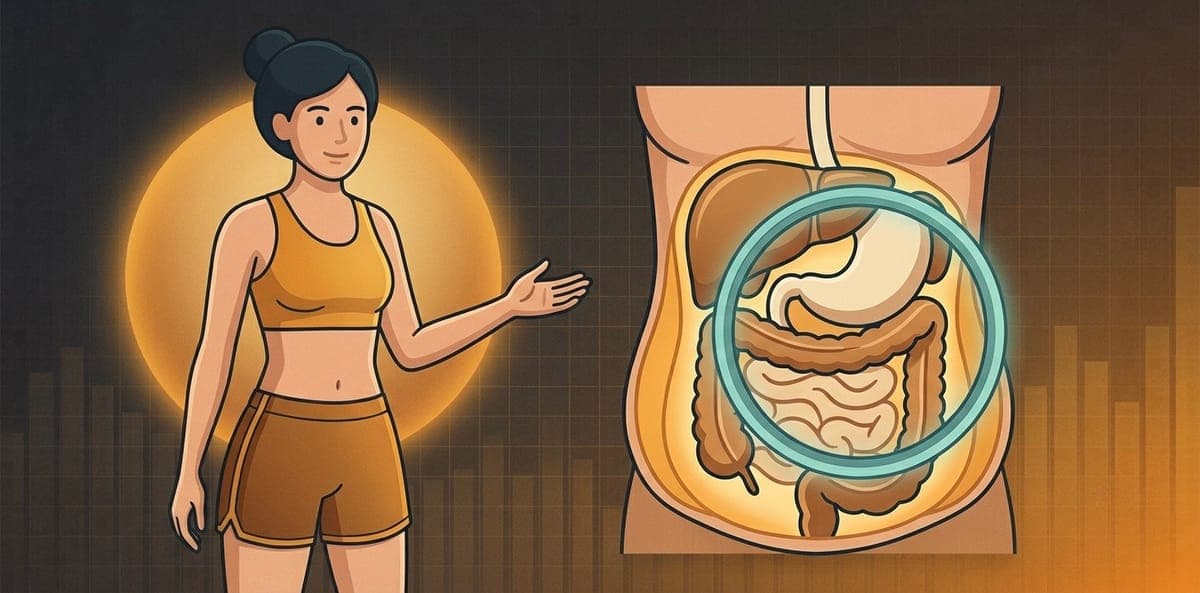
Visceral Fat: Why It's Dangerous and How to Lose It
Visceral fat wraps around your organs and drives inflammation, insulin resistance, and cardiovascular disease. Here's what it is, how to measure it, and proven strategies to reduce it.
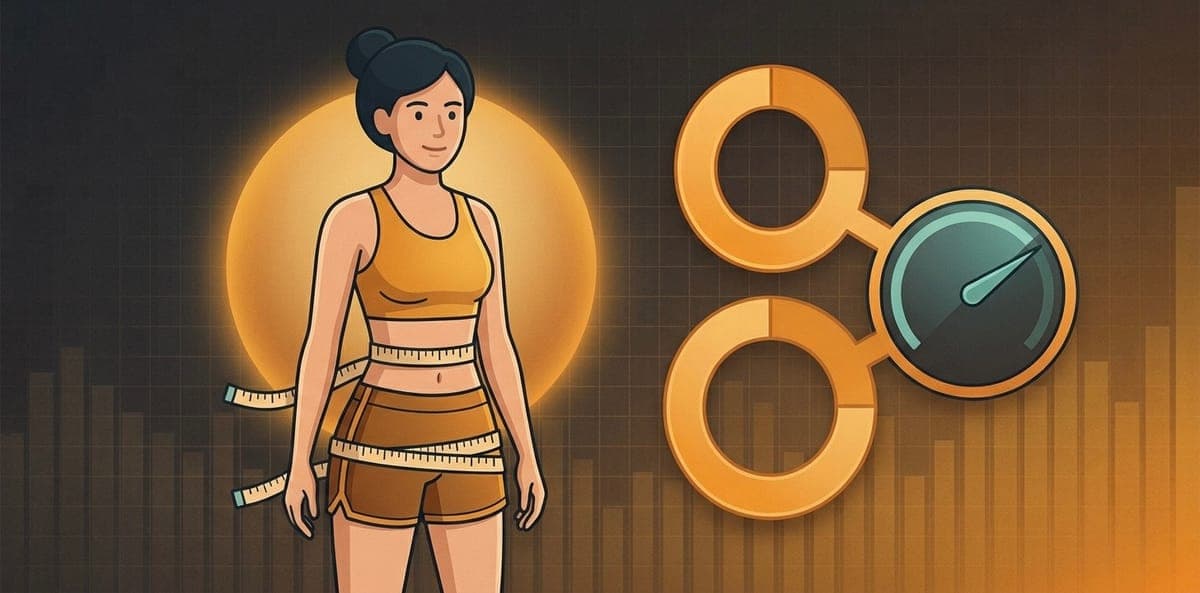
Waist-to-Hip Ratio: A Better Health Marker Than BMI
Waist-to-hip ratio (WHR) predicts cardiovascular disease and metabolic risk more accurately than BMI. Learn how to measure it, what your number means, and why fat distribution matters.
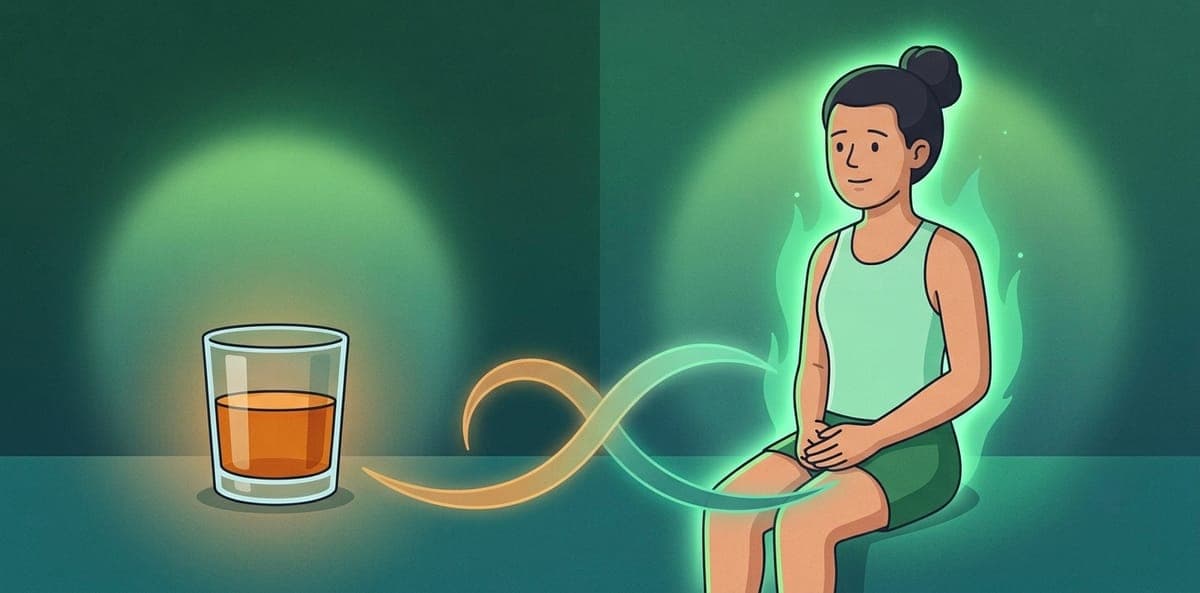
Alcohol and Fitness: How Drinking Affects Muscle, Recovery, and Fat Loss
Alcohol impairs muscle protein synthesis, disrupts sleep architecture, affects hormone levels, and slows fat metabolism. Here is what the research says, and practical guidelines for people who drink.

Carb Cycling: How to Match Carbohydrate Intake to Training Demands
Carb cycling adjusts your carbohydrate intake based on training intensity and volume. Learn how to structure high, medium, and low carb days for better performance and body composition.

Fiber Intake Guide: How Much Fiber You Need and How to Get It
Most people eat half the fiber they need. Learn why fiber matters for satiety, gut health, and body composition, plus how to increase your intake without digestive distress.

Gut Health and Exercise Performance: The Microbiome Connection
Your gut microbiome directly influences exercise performance, recovery, and immune function. Learn how fiber, prebiotics, probiotics, and training itself shape your gut health.

Micronutrients for Athletes: Essential Vitamins and Minerals for Performance
Macros get the headlines, but micronutrient deficiencies silently sabotage performance. Learn which vitamins and minerals athletes need most, how to identify deficiencies, and when to supplement.

Post-Workout Nutrition: What to Eat After Training for Recovery and Growth
The post-workout meal supports glycogen replenishment, muscle protein synthesis, and recovery. Learn the real science of nutrient timing after training, without the bro-science panic.
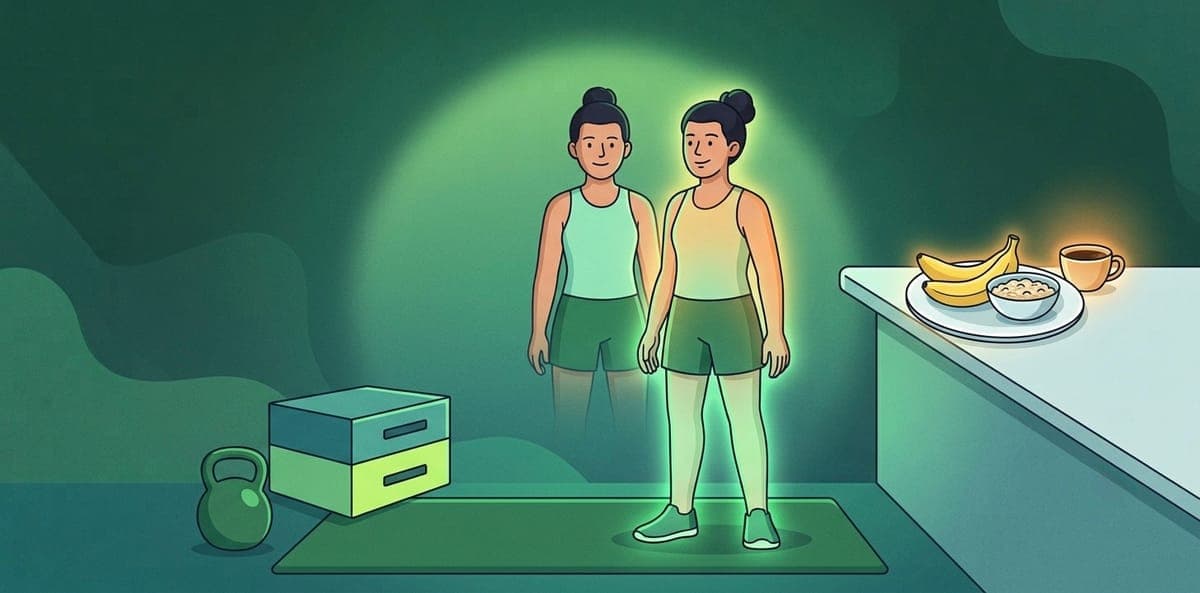
Pre-Workout Nutrition: What to Eat Before Training for Peak Performance
What you eat before training affects energy, strength, and endurance. Learn the ideal timing, macronutrient composition, and practical meal ideas for pre-workout nutrition.
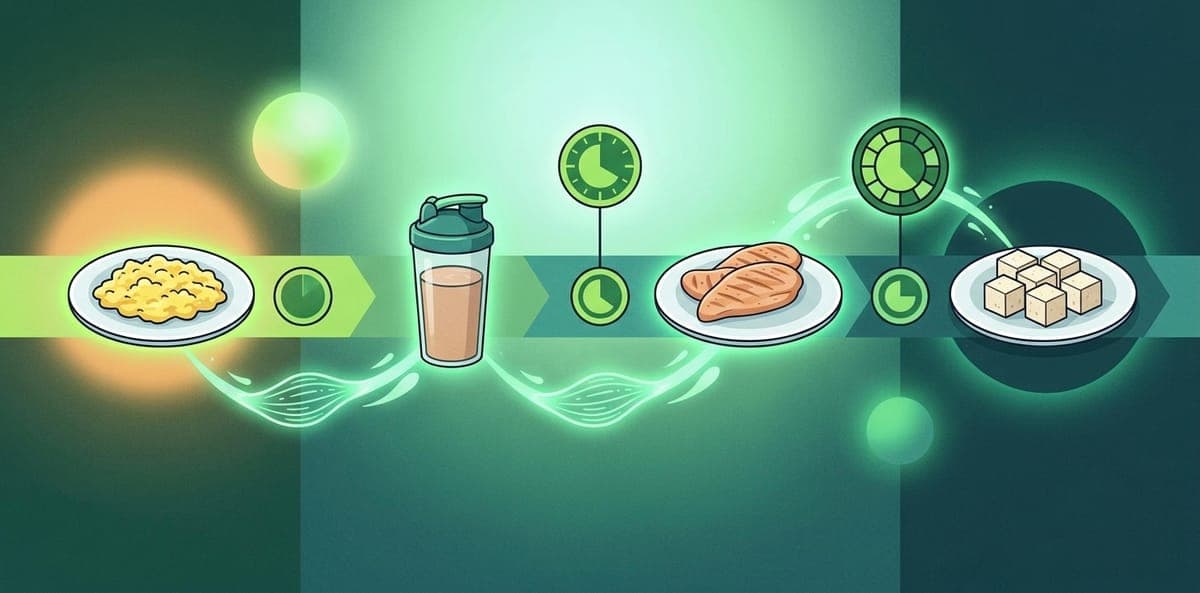
Protein Timing: When to Eat Protein for Maximum Muscle Growth
The anabolic window is real but far wider than gym culture claims. Learn the science of protein distribution, leucine thresholds, and MPS refractory periods to optimize your gains.

Reverse Dieting: How to Transition Out of a Calorie Deficit Without Gaining Fat
After a cut, jumping back to maintenance calories often causes rapid fat regain. Reverse dieting adds calories back gradually to restore metabolic rate while minimizing fat gain.

Sodium and Training: The Electrolyte Athletes Get Wrong
Sodium is demonized in general health advice but essential for athletic performance. Learn about electrolyte balance, sweat rate testing, hyponatremia risk, and practical sodium strategies.
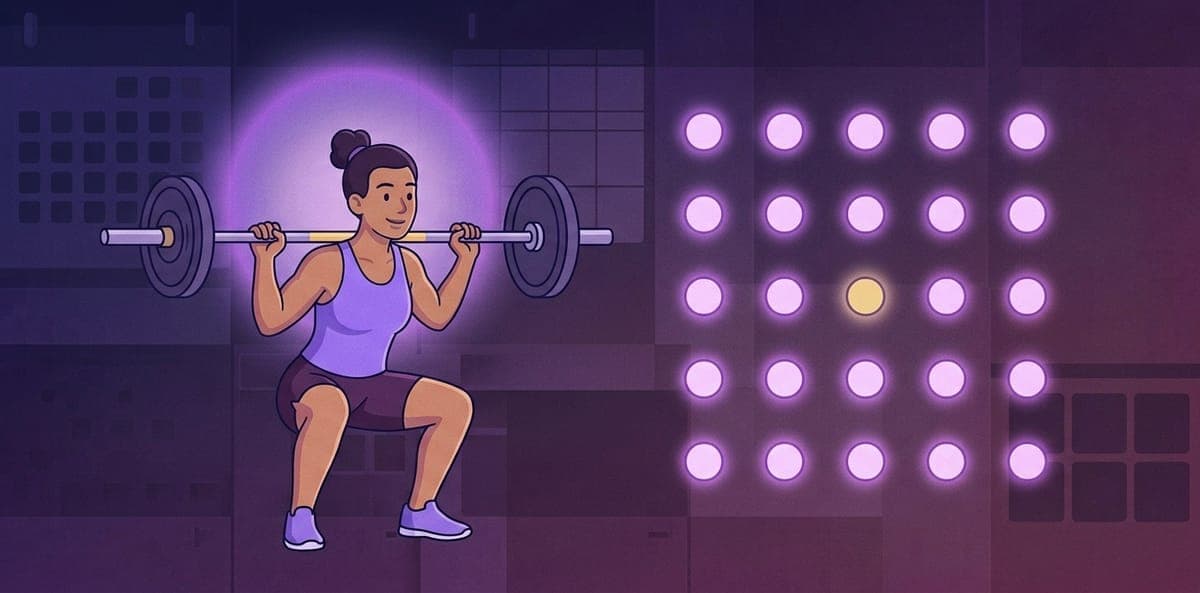
The 5x5 Method: Complete Guide to Strength Building
The 5x5 method is one of the most proven approaches to building foundational strength. Learn its origins, how to run it properly, when to reset, and when you have outgrown it.

The Bro Split: Complete Guide to the Classic Bodybuilding Split
The bro split dedicates one training day to each major muscle group. Learn when this classic bodybuilding approach works, when it falls short, and how to build an effective five-day body-part split.
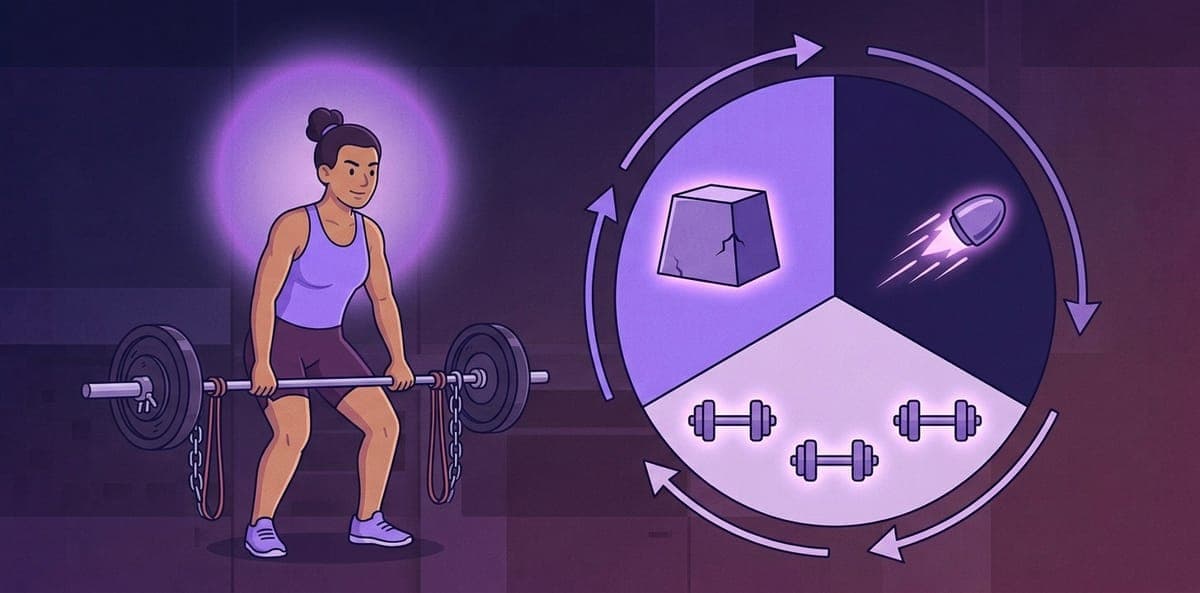
The Conjugate Method: Westside Barbell's Training System Explained
The conjugate method rotates exercises frequently and trains maximum strength and speed on separate days. Learn how the Westside Barbell system works and how to adapt it beyond powerlifting.
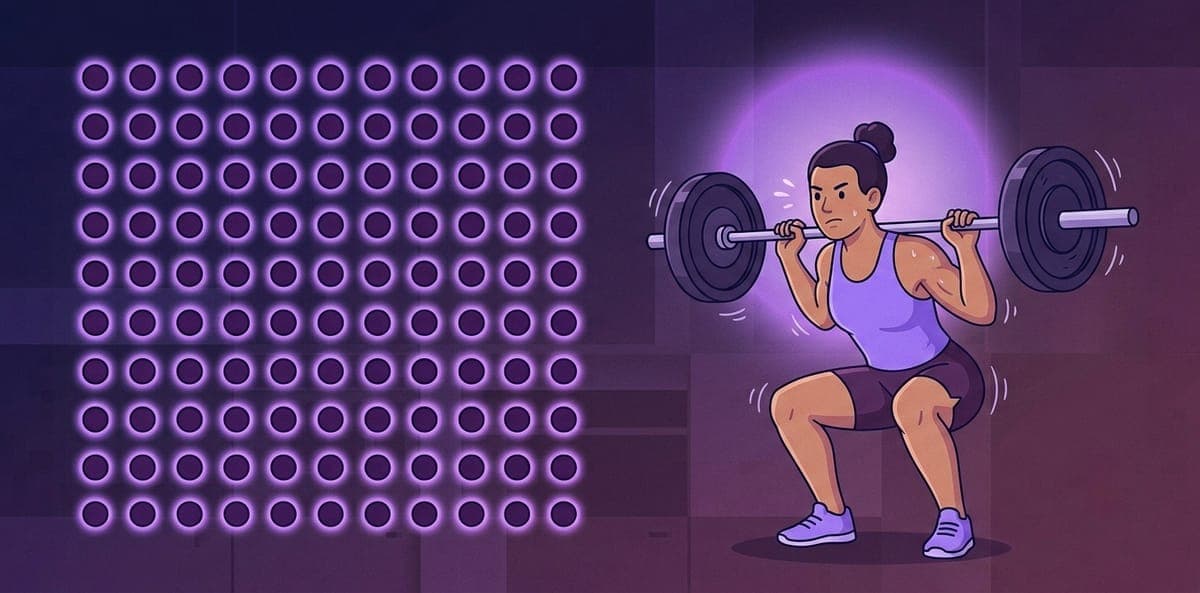
German Volume Training: The 10x10 Hypertrophy Method
German Volume Training uses 10 sets of 10 reps to push muscles to the limit of their growth capacity. Learn how the 10x10 method works, who should use it, and how to survive the recovery demands.

Periodization: The Complete Guide to Programming Training Cycles
Periodization is the systematic planning of training variables over time. Learn the differences between linear, undulating, and block periodization, and how to apply each model to your own programming.
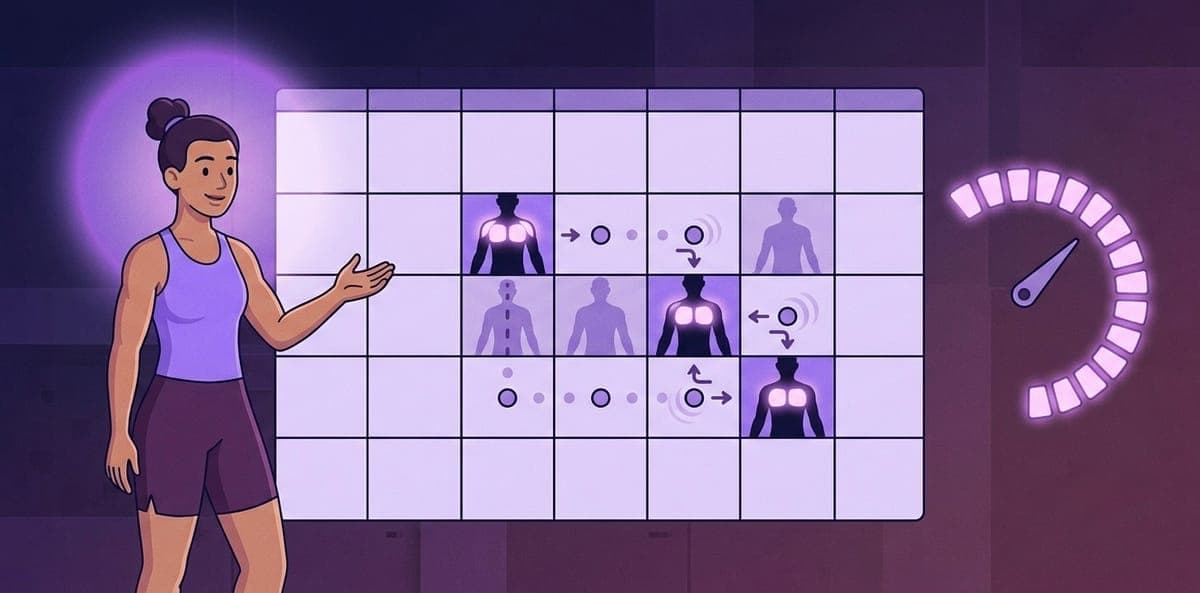
Training Frequency: How Often Should You Train Each Muscle Group?
How many times per week should you train each muscle? This guide covers the research on 1x, 2x, and 3x weekly frequency, volume distribution, and practical recommendations by experience level.

Daily Undulating Periodization: The Complete DUP Guide
Daily undulating periodization rotates between heavy, moderate, and light training sessions within a single week. Learn why DUP outperforms linear models for intermediate lifters and how to set it up.
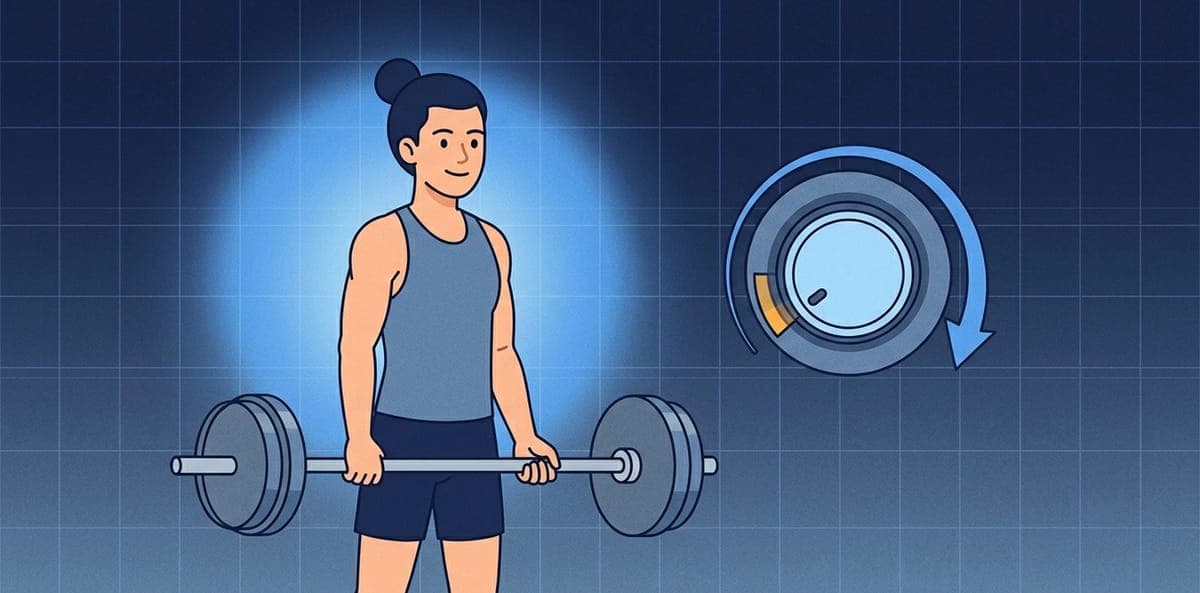
The Deload Week: Why Training Less Makes You Stronger
A deload is a planned reduction in training stress that allows accumulated fatigue to dissipate, revealing the fitness you have built. Learn when to deload, how to structure one, and why skipping deloads sabotages long-term progress.
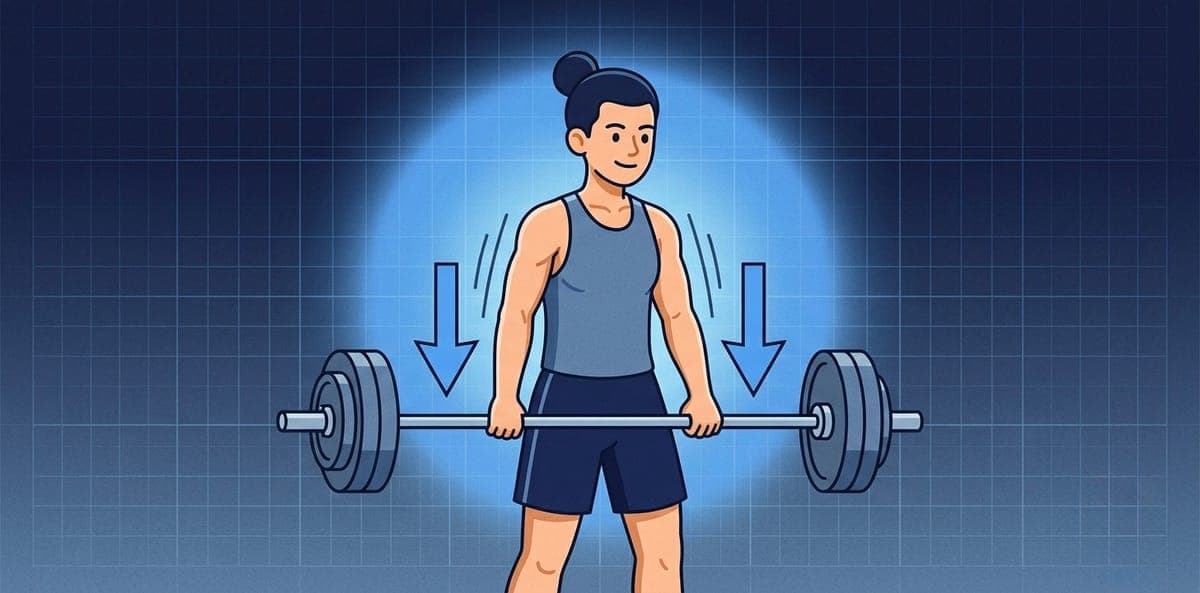
Eccentric Training: The Power of the Negative Rep
Your muscles are 20-40% stronger during the lowering phase than the lifting phase. Eccentric training exploits this asymmetry to produce superior muscle growth, strength gains, and injury resilience. Here's the science and the programming.
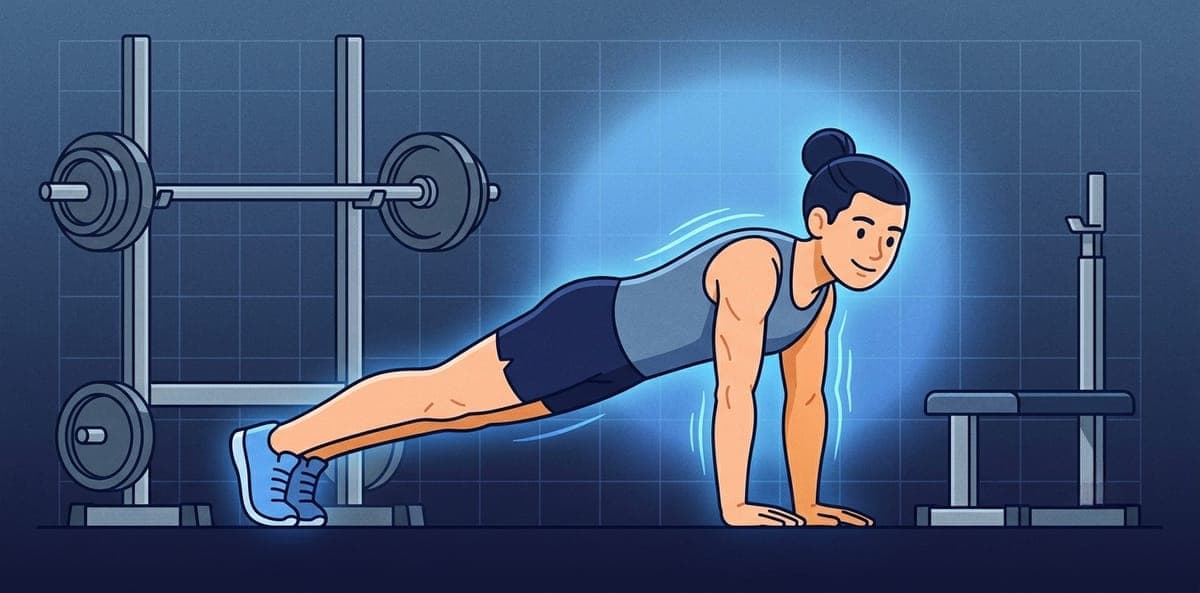
Isometric Training: Building Strength Without Moving
Isometric contractions, holding a position under load without movement, are one of the oldest and most underused training methods. Learn the difference between yielding and overcoming isometrics, joint angle specificity, and how to program isometrics for strength, rehab, and plateaus.
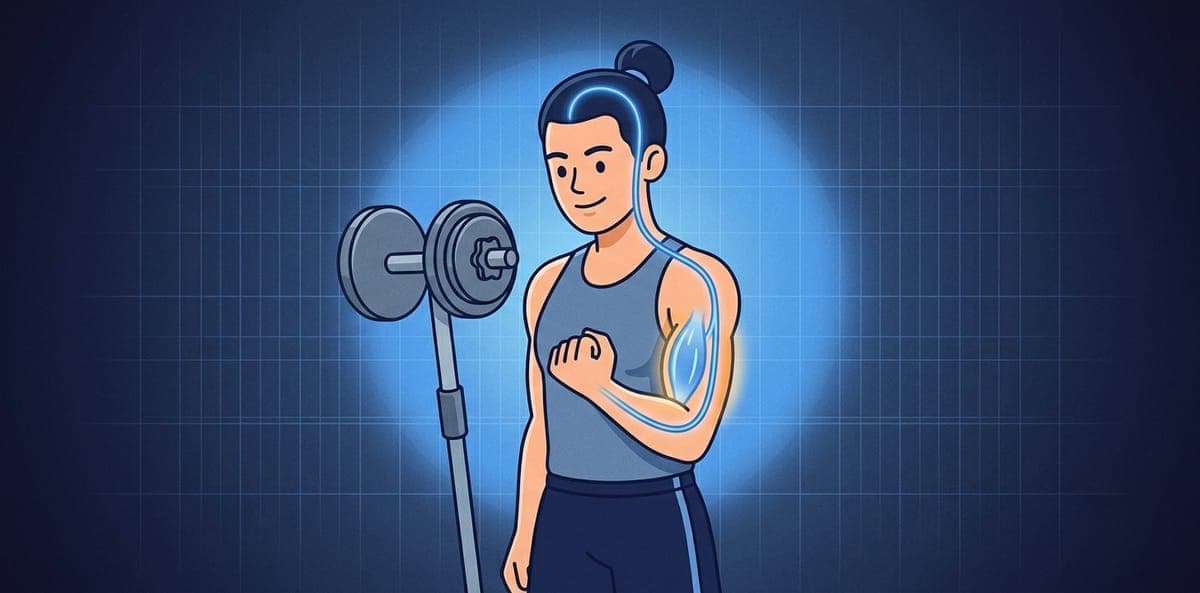
The Mind-Muscle Connection: Neuroscience Meets the Weight Room
The mind-muscle connection is more than gym folklore. EMG research confirms that internal focus of attention increases muscle activation, but only in the right context. Here's when to use it and when to ignore it.
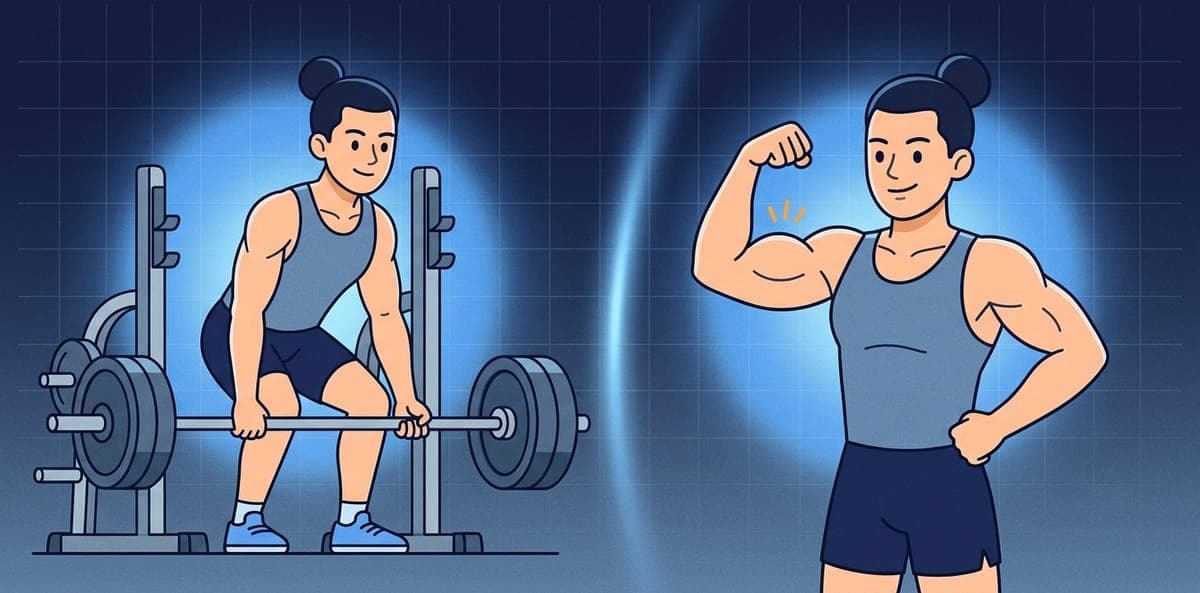
Strength vs. Hypertrophy: Programming for the Outcome You Want
Strength and hypertrophy are related but distinct adaptations that respond to different training variables. Learn how rep ranges, intensity, and volume interact, and how to periodize between strength and hypertrophy phases for maximum results.
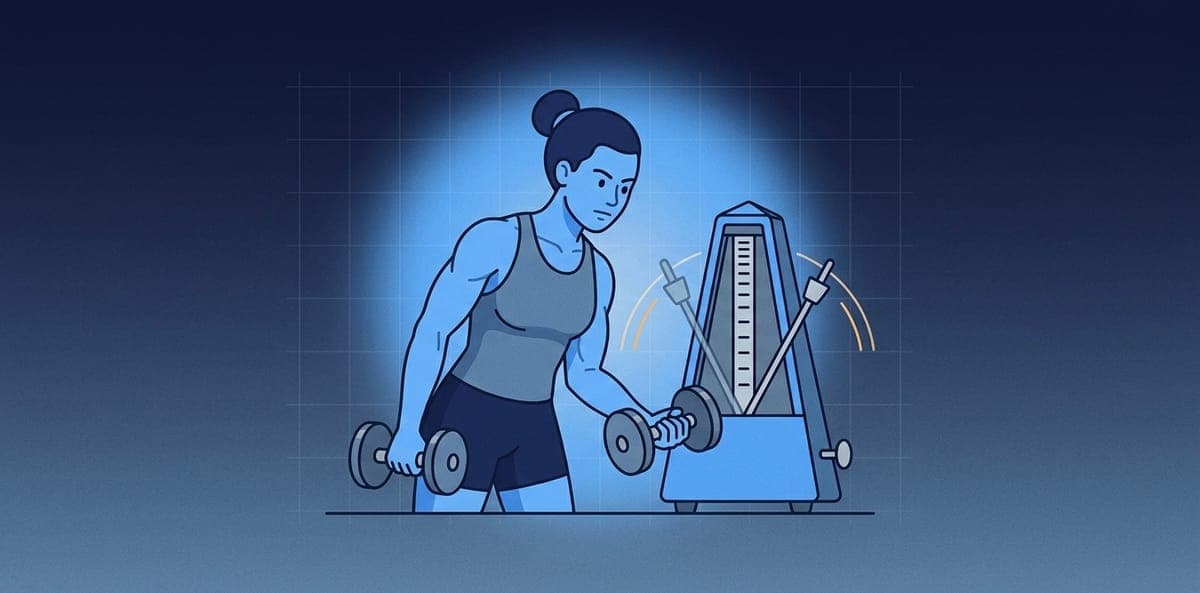
Tempo Training: Controlling Every Phase of the Rep
Tempo prescriptions tell you exactly how fast to lower, pause, lift, and lock out every rep. Learn how to read tempo notation, when to use slow eccentrics vs explosive concentrics, and how tempo manipulates time under tension for better results.
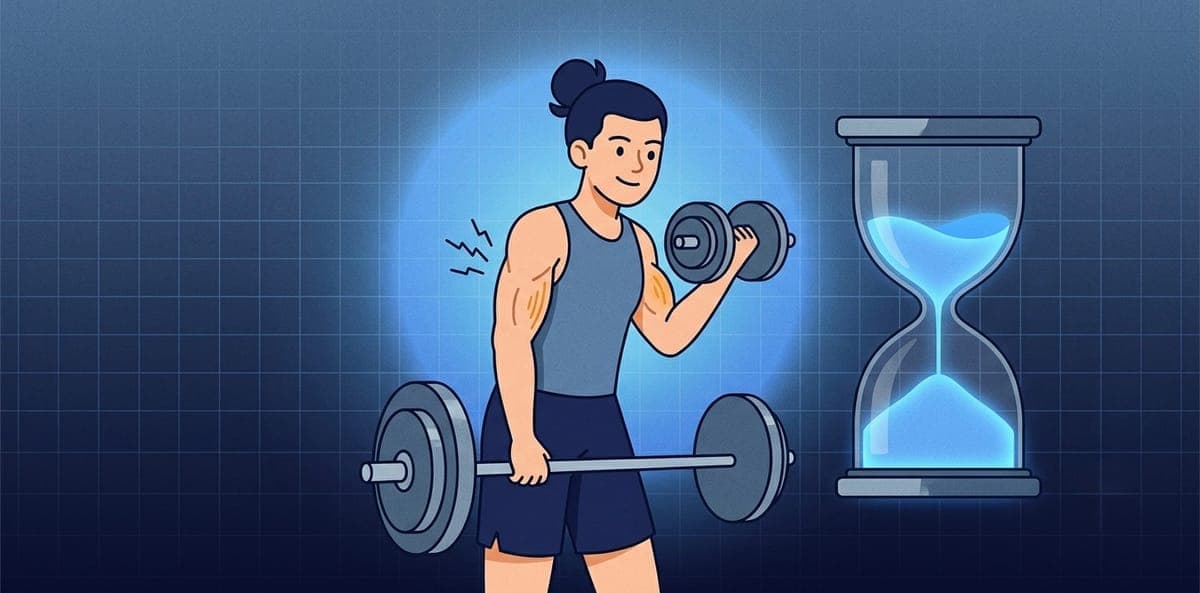
Time Under Tension: What the Research Actually Says
Time under tension is one of the most discussed (and most misunderstood) concepts in resistance training. Here's what TUT actually is, what the research shows about its role in hypertrophy, and when manipulating it is genuinely useful.
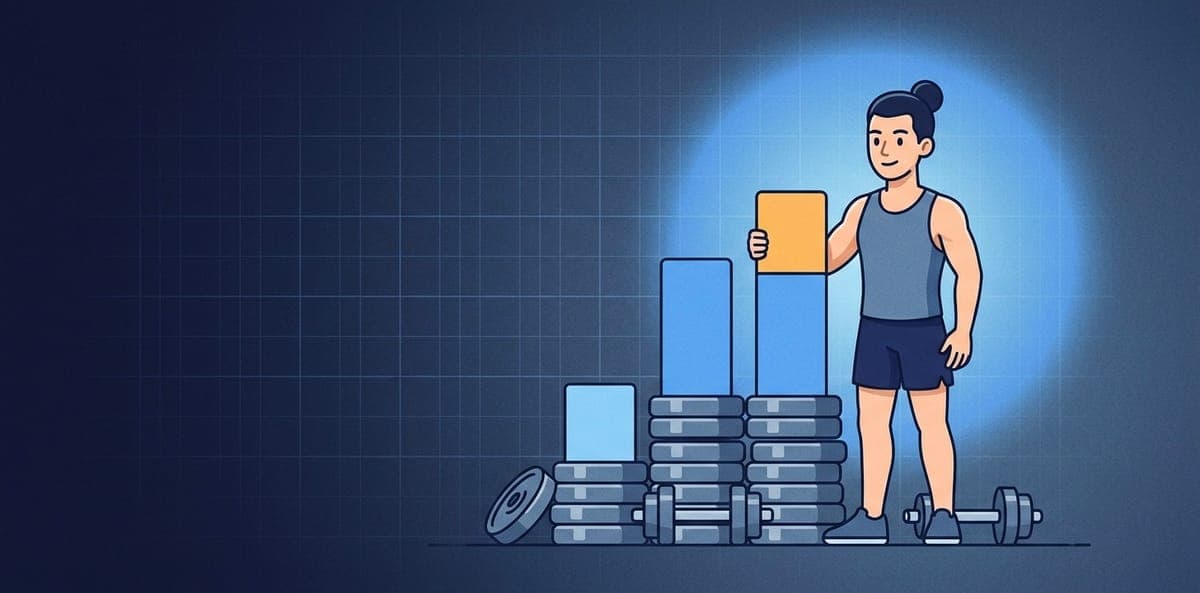
Training Volume: Finding Your Minimum, Maximum, and Sweet Spot
Volume is the primary driver of hypertrophy, but more is not always better. Learn the MEV/MAV/MRV framework, how to find your personal volume landmarks, and how to avoid junk volume that generates fatigue without stimulating growth.
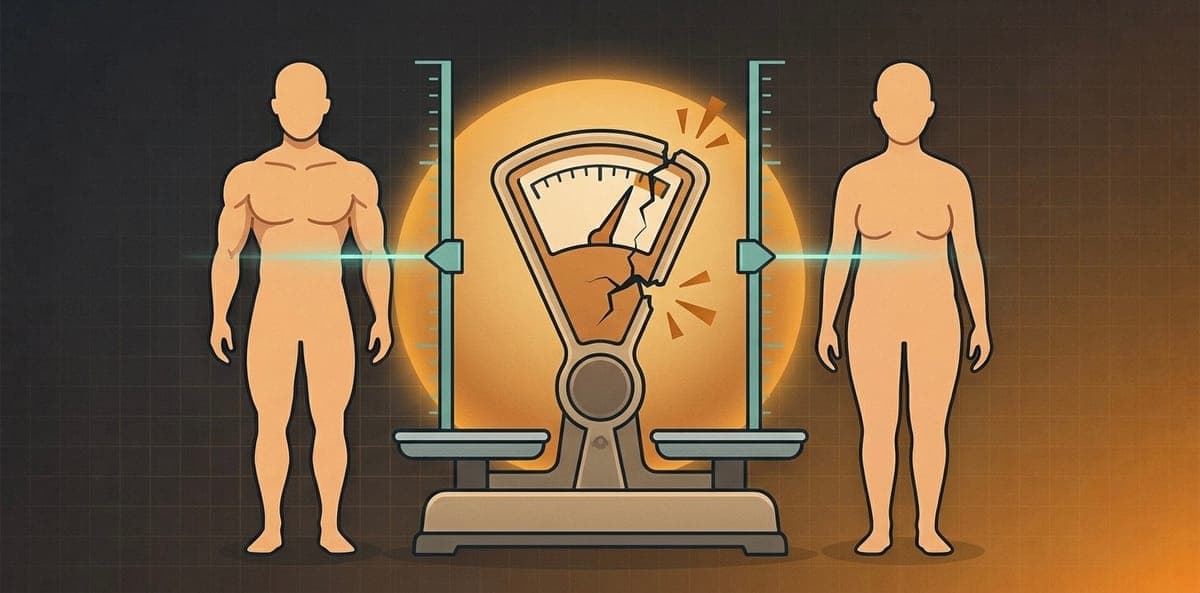
BMI Is Broken: Why You Need Better Metrics for Body Composition
A formula from 1832 that ignores muscle, bone density, and fat distribution. Here's why BMI fails, and what to track instead.

How to Pick the Right Training Split for Your Schedule
Three days? Four? Six? Your schedule determines your split, not the other way around. Here's the decision framework.

Cycle Tracking and Zealo: Where Things Actually Stand
Cycle tracking is not in the current App Store build, so this page does not document it as live. Here is what that means, and where to find the cycle education that is worth your time today.
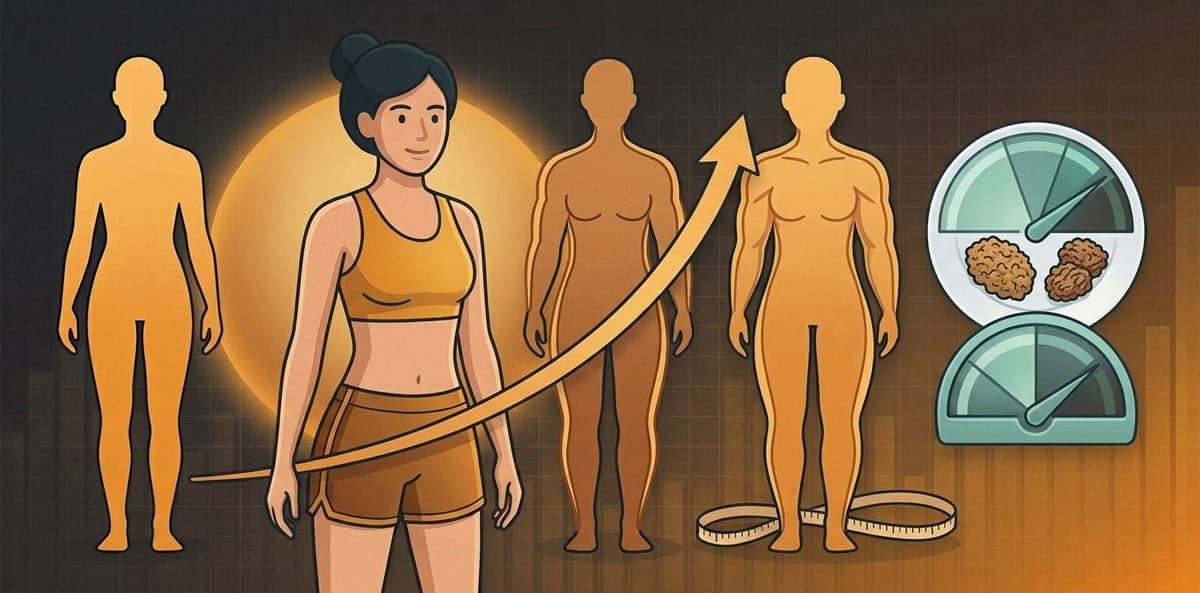
The Lean Bulk Guide: Build Muscle Without Getting Fat
A lean bulk means gaining muscle with minimal fat. Here's the exact surplus, protein target, and tracking strategy to do it right.

Meal Timing: Does When You Eat Actually Matter?
The 'anabolic window' is mostly myth. But meal timing does matter in specific situations. Here's what the research actually says.
Metabolic Metrics Explained: BMR, RMR, TDEE, and Body Composition
What each metabolic number means, where it comes from, and how to act on it. Plus an honest note about which of these surfaces are confirmed in the current App Store build.
Rest Days: How Many You Need and When to Take Them
Recovery isn't laziness, it's where adaptation happens. Here's how to structure rest days, deload weeks, and active recovery.

Symptom Tracking: Turning Daily Signals Into Training Decisions
A single bad day means nothing. A decision journal of energy, pain, sleep, and performance across several cycles tells you when to add load, hold, or deload. Here's how to run one.

BMR vs. RMR: What's the Difference and Which One Matters?
Two acronyms, one crucial concept. Here's what BMR and RMR actually mean, how they're calculated, and which equation you should trust.

Calorie Deficit vs. Surplus: Which One Do You Need?
How energy balance actually works, and how to set the right calorie target for fat loss, muscle gain, or maintenance.
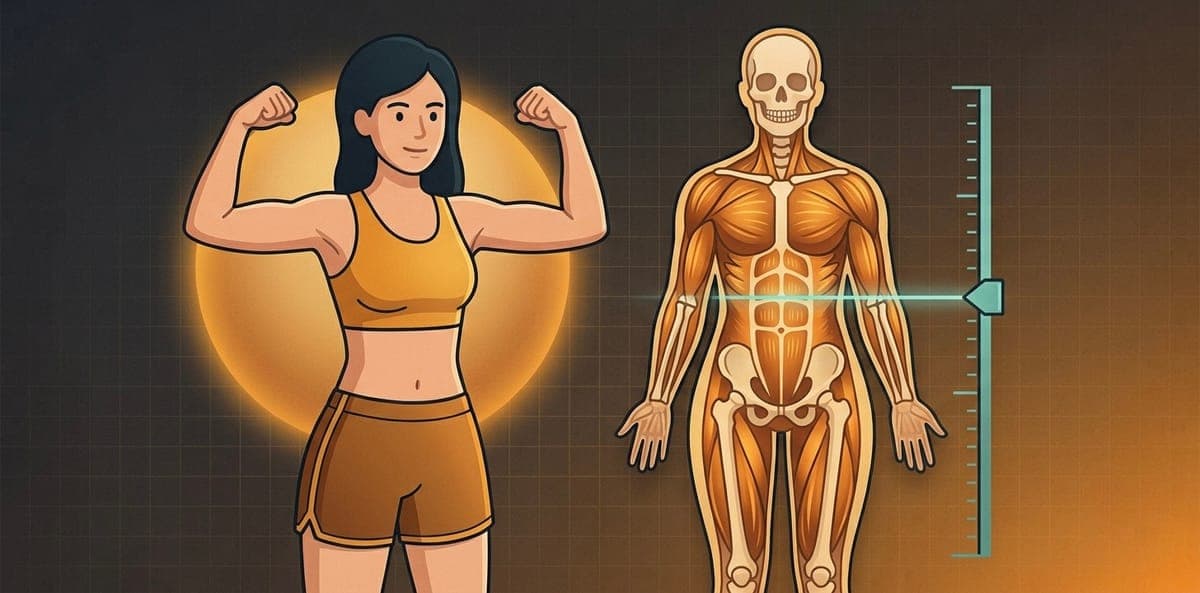
Fat-Free Mass: The Metric Athletes Should Track Instead of Weight
Two people can weigh the same and look completely different. Fat-free mass explains why, and why it's the better metric for progress.
Full Body Training: Why Beginners Should Start Here
Three days per week, five compound movements, and a clear path from novice to intermediate. The beginner program that actually works.

Hydration for Performance: How Much Water Do You Actually Need?
Forget '8 glasses a day.' Here's how to calculate your actual hydration needs based on your body weight, activity level, and training demands.

Luteal Phase Nutrition: Calories, Cravings, and What Actually Changes
Does your metabolism speed up in the luteal phase? The measured effect is small and varies between people. Here's why a calendar calorie surplus is not the answer, and what to do about cravings instead.
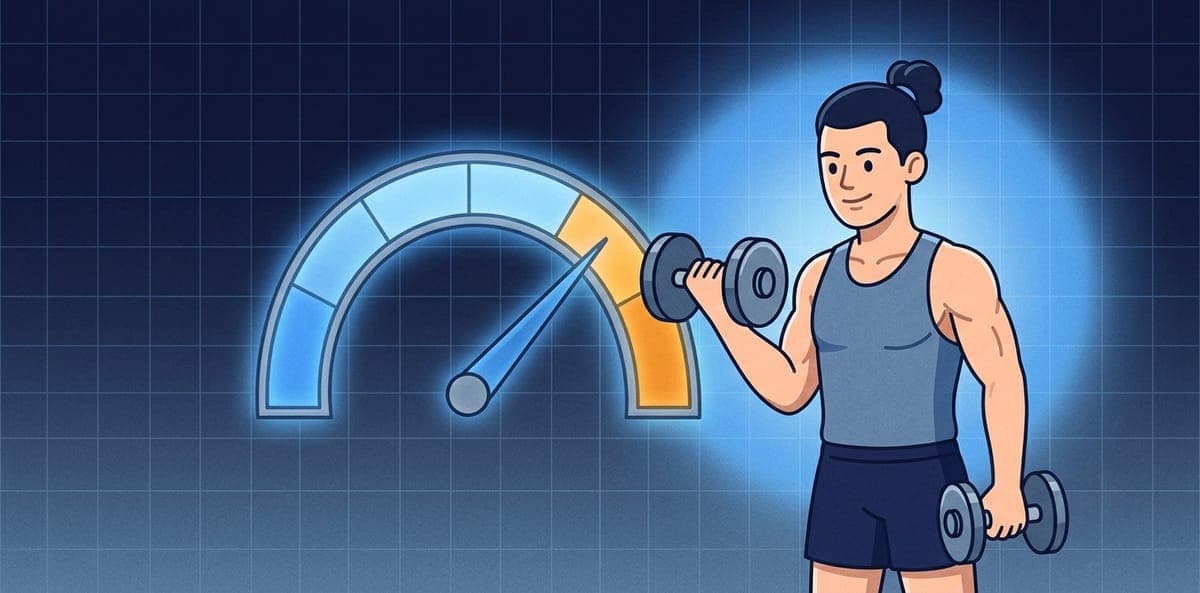
RPE Training: How to Autoregulate Your Workouts
RPE lets you adjust training intensity based on how you actually feel, not just what the spreadsheet says. Here's how to use it properly.
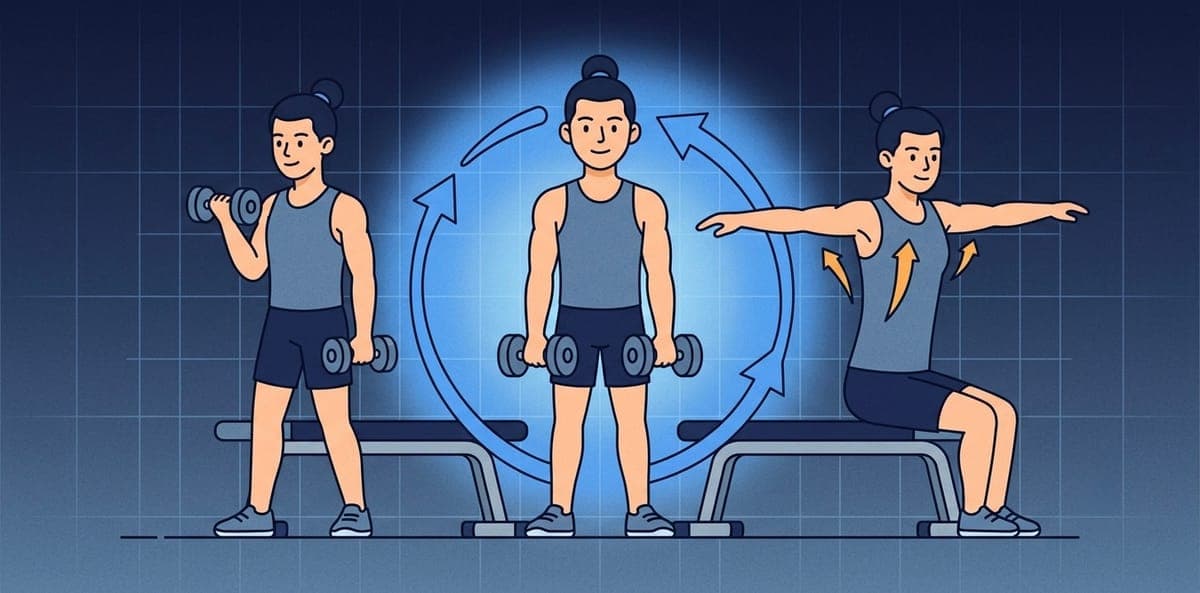
Supersets, Drop Sets, and Giant Sets: When to Use Each One
Advanced set techniques can slash your workout time and boost hypertrophy: if you use them correctly. Here's when each one actually makes sense.
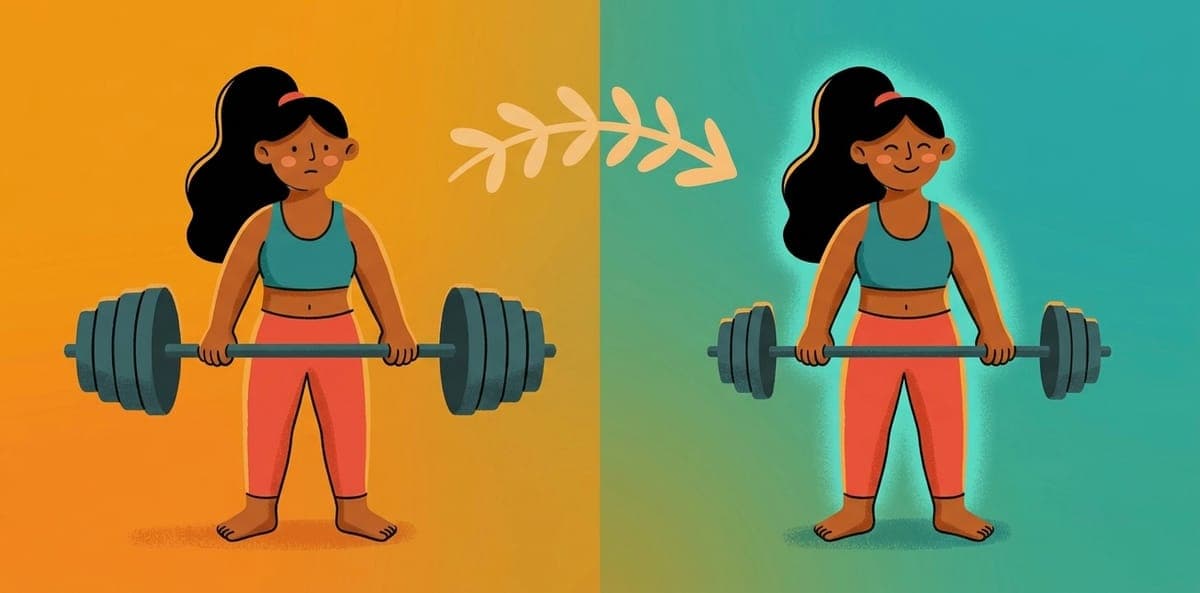
Training During Your Period: Permission, Not Prescription
Bleeding is not a mandatory rest day, and it is not a mandatory hard day either. Here's what the evidence supports about training through your period, and how to let symptoms make the call.
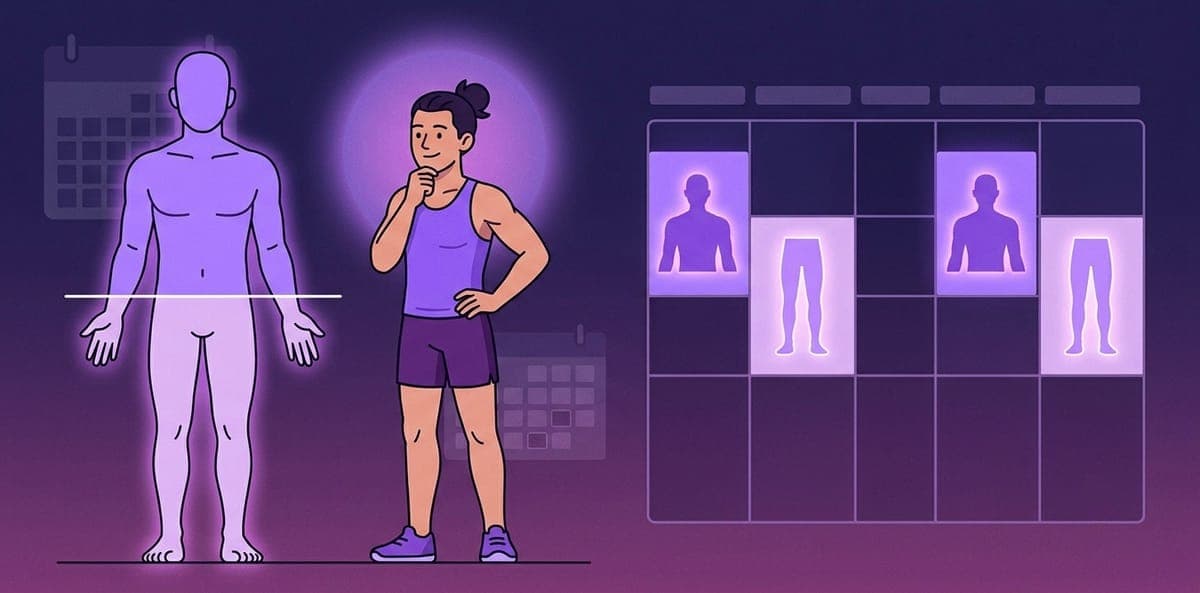
Upper/Lower Split: The 4-Day Program That Actually Works
The most efficient training split for people who can train four days per week, with balanced push/pull volume and real recovery time.
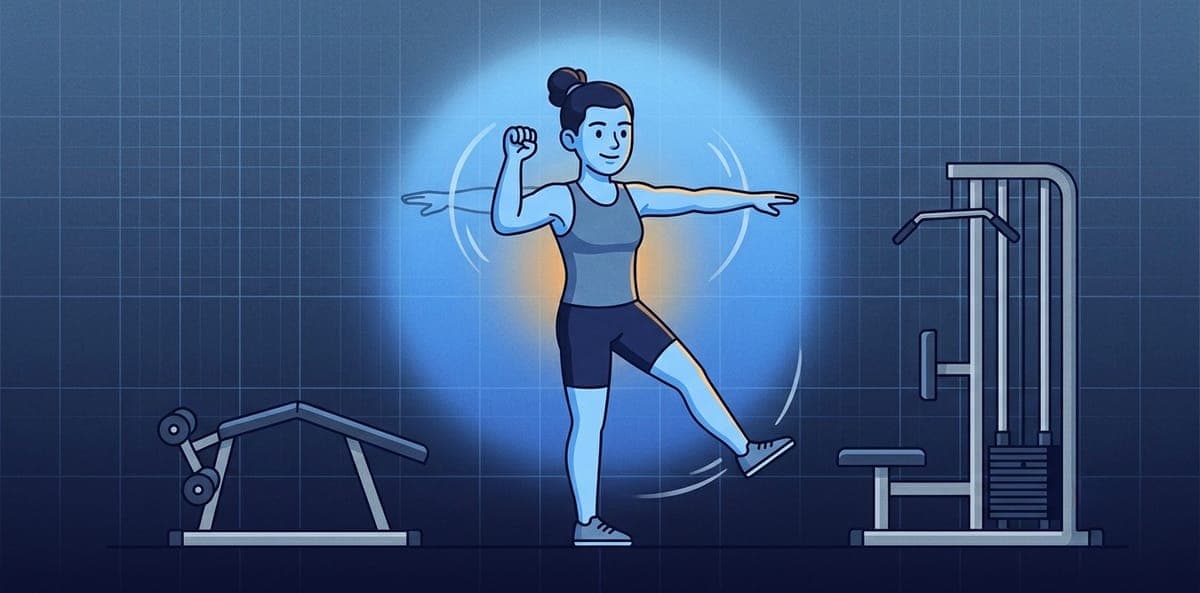
How to Warm Up Properly (And Why Most People Skip It)
Eight to twelve minutes of proper warm-up can improve your performance by 5-10% and dramatically reduce injury risk. Here's the protocol.
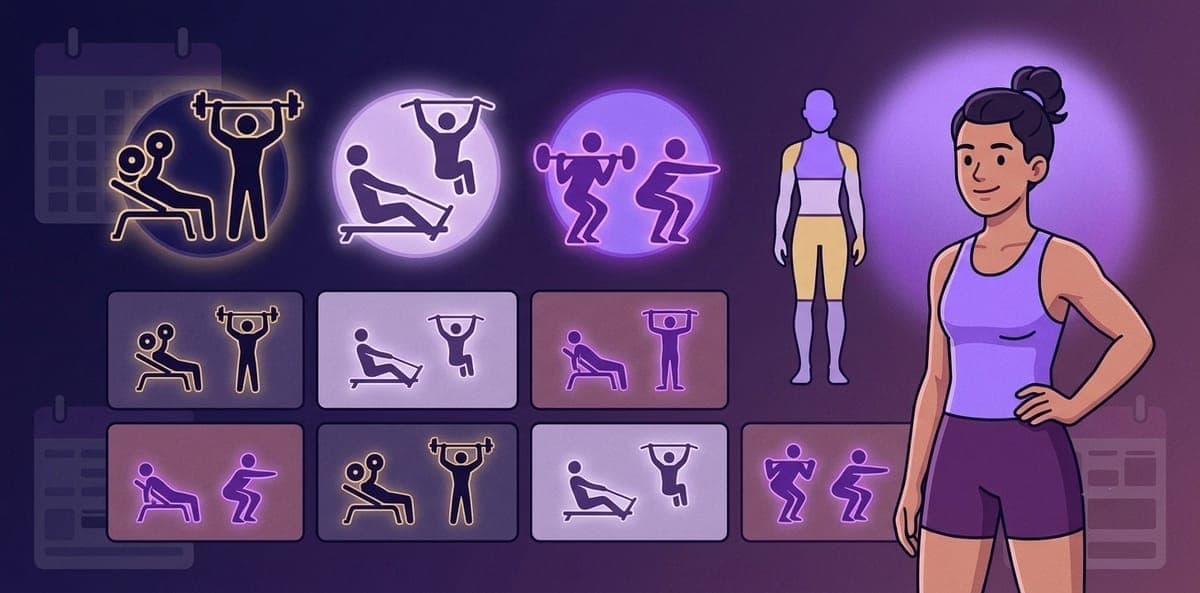
Push Pull Legs: The Complete Program Guide
How to structure the most popular training split, and why it works so well for intermediate lifters training 6 days per week.

TDEE Explained: How to Calculate Your Calorie Target
The complete breakdown of BMR, RMR, and TDEE, and how to use them to set a calorie target that actually works.

Protein, Carbs, and Fat: How to Set Your Macros
A no-nonsense guide to calculating your daily macronutrient targets based on your body, your goal, and the science.

Menstrual Cycle and Training: What the Evidence Really Says
Does your cycle phase really change your strength, recovery, and calorie needs? Here's what the strongest current research shows, and why training by the symptoms and performance you log beats training by the calendar.
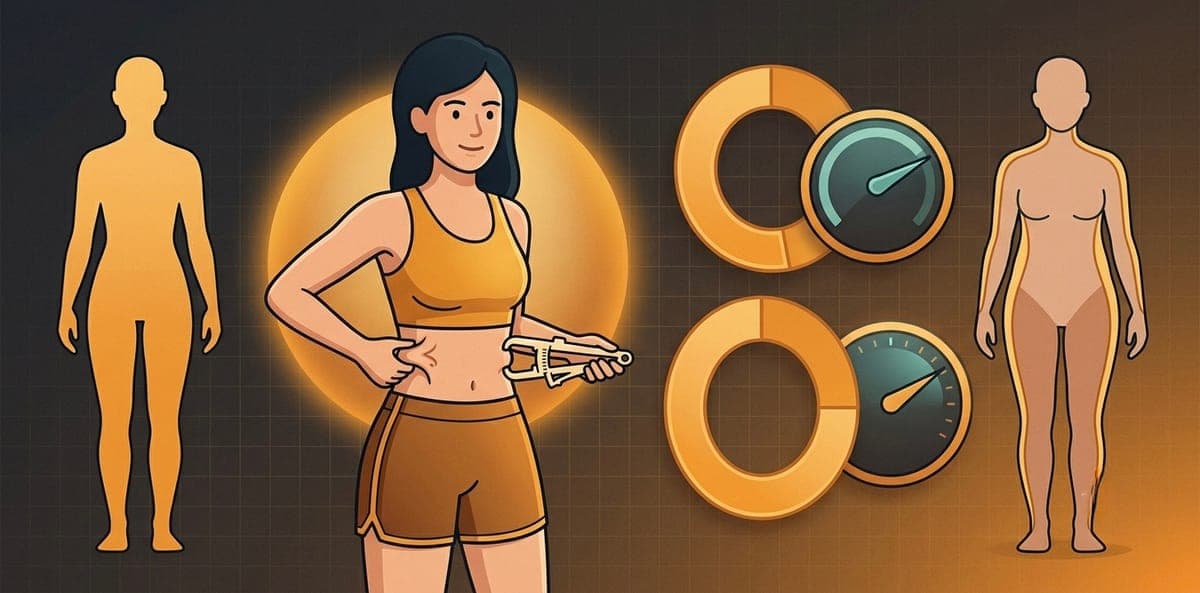
Body Fat Percentage: What It Means and How to Measure It
Why body fat percentage matters more than scale weight, and the best methods to actually measure it accurately.
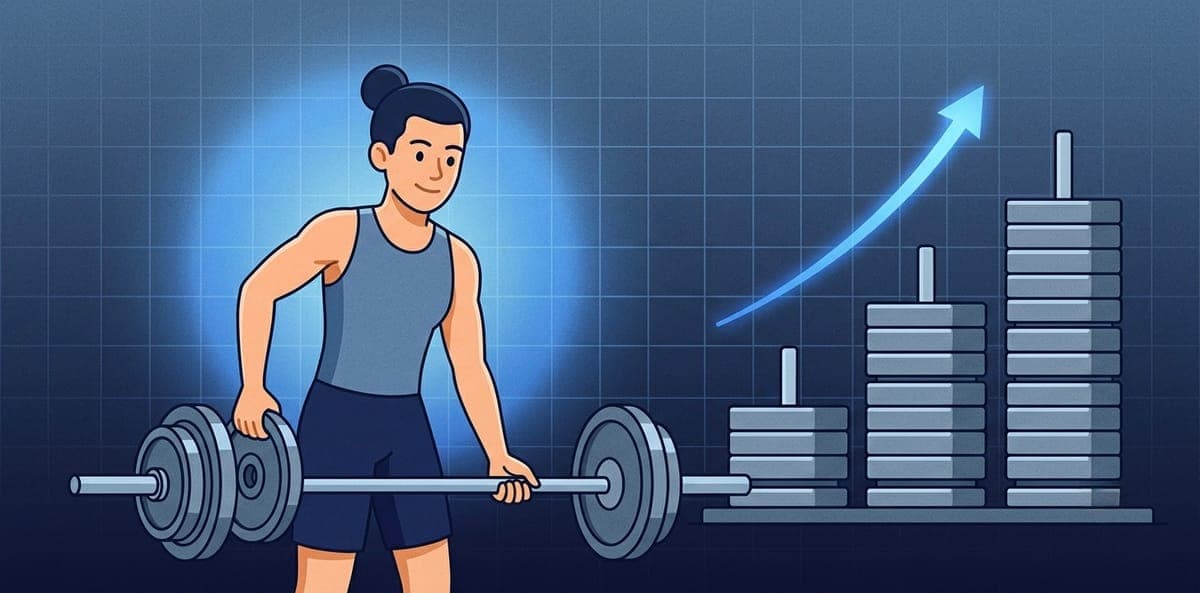
Progressive Overload: The Only Rule That Matters
If you're not progressively overloading, you're not progressing. Here's how to apply the most important principle in strength training.

How to Import Your Trainer's Program into Zealo
Got a workout plan as a PDF or photo? Here's how to turn it into a fully trackable program in seconds.
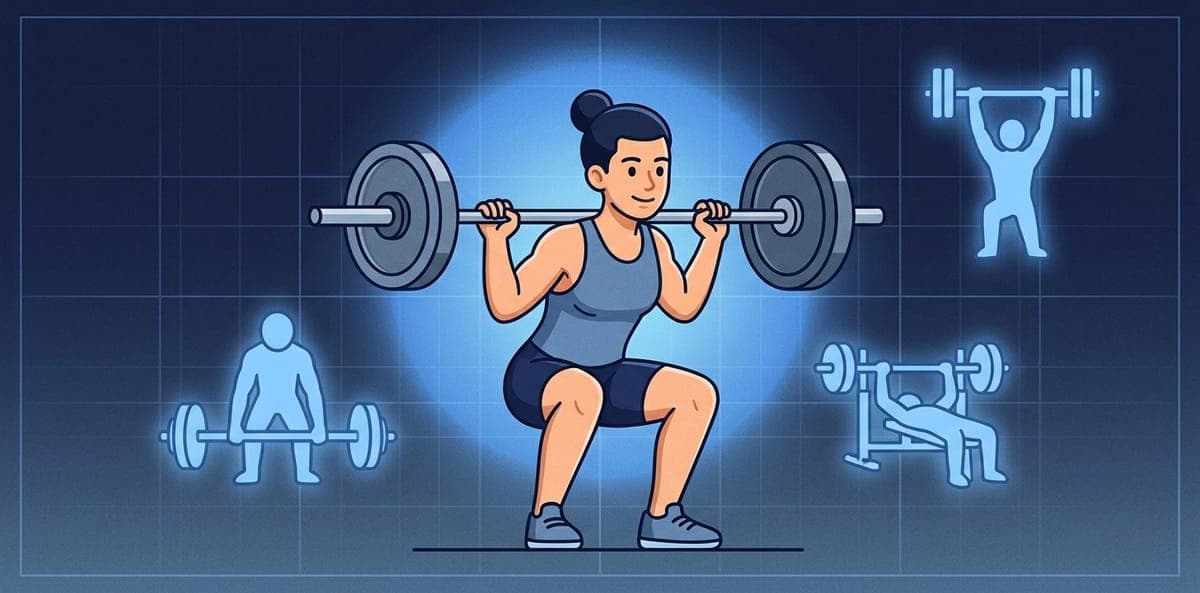
The 10 Best Compound Exercises (And How to Do Them)
Compound movements build the most muscle in the least time. Here are the 10 you should master, with form cues, common mistakes, and variations.