Supplements That Actually Work (And the Ones That Don't)
10 min read · September 2026 · by Manikanta Sirumalla
The global supplement industry is worth well over a hundred billion dollars a year. The number of supplements with strong evidence of improving training results in healthy people can be counted on one hand. The gap between those two facts is marketing, and this article is the map through it.
The ranking below uses the same standard the International Olympic Committee applied in its consensus review of supplements: does the product improve performance or body composition in randomised, placebo-controlled human trials, at the dose sold, replicated by independent groups (Maughan et al. 2018)?
Tier 1: strong evidence, works for most people
Creatine monohydrate. The most studied supplement in sports science. Improves strength, power, training volume and lean mass alongside resistance training, with additional evidence for cognition and for muscle in older adults. 3 to 5 g daily. Safe in healthy adults over years of use (Kreider et al. 2017). If you buy one supplement, this is it. Full guide: Creatine: The Complete Guide.
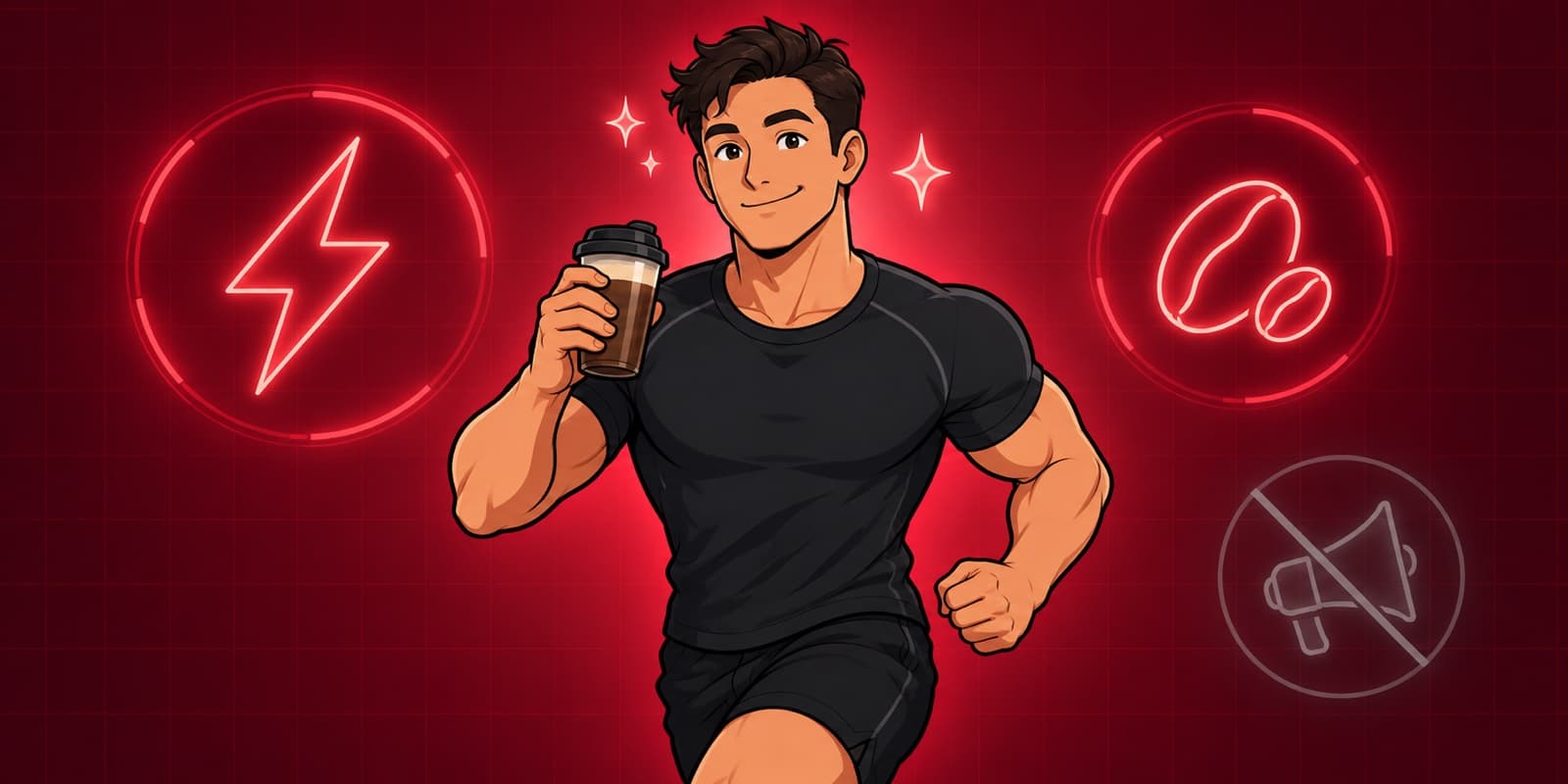
Caffeine. Improves strength, muscular endurance, sprint and endurance performance at 3 to 6 mg/kg taken 30 to 60 minutes before exercise (Guest et al. 2021). Cheap and available as coffee or tablets. Its cost is sleep, which must be managed. Full guide: Caffeine and Pre-Workout.
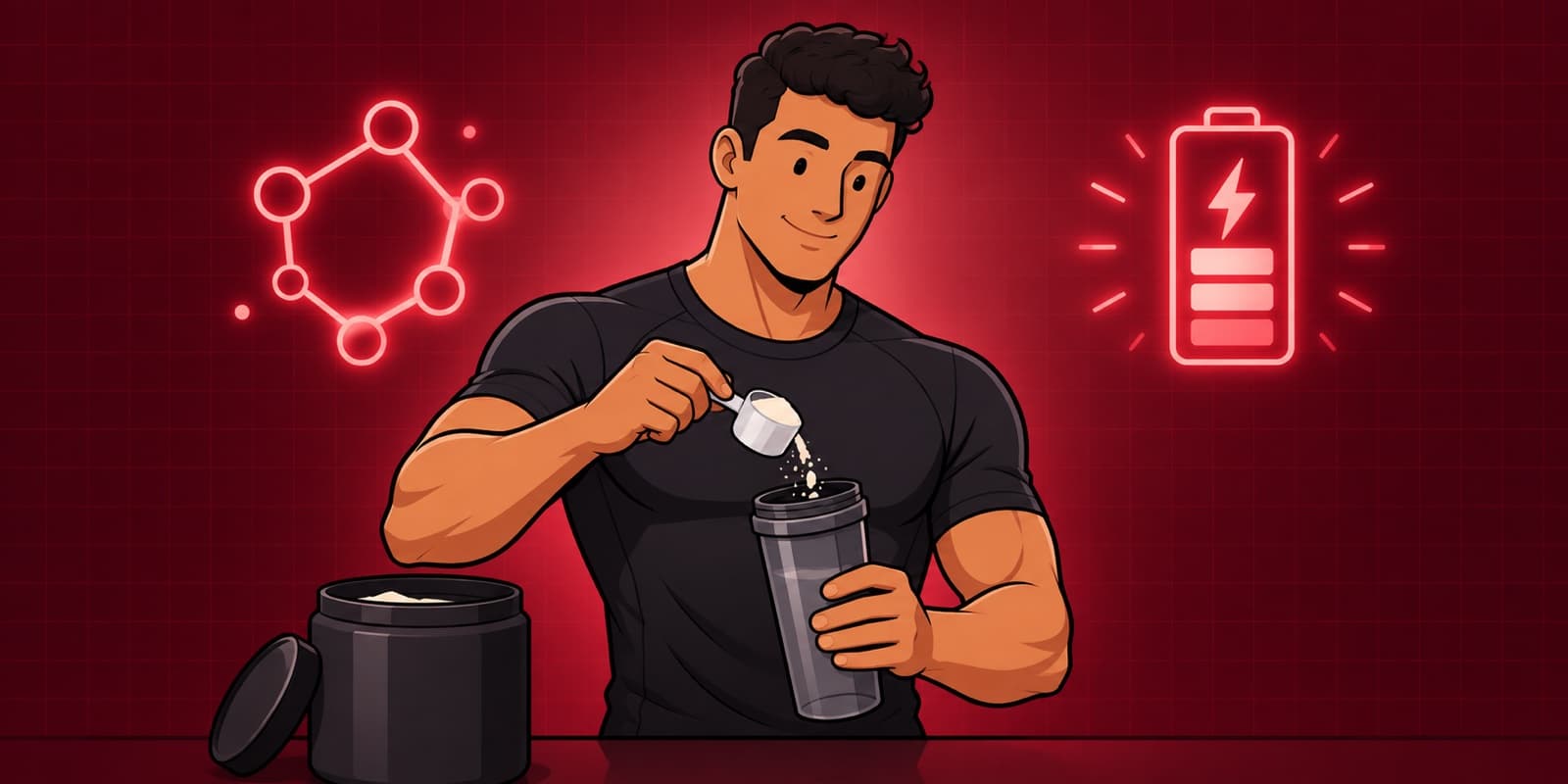
Protein powder (conditional on intake). Not magic, just protein. It builds muscle exactly as well as food and no better, so it belongs in this tier only because most people fall short of the 1.6 to 2.2 g/kg that maximises muscle gain, and a scoop is the easiest way to close the gap (Morton et al. 2018). Full guides: How Much Protein and Whey vs. Casein vs. Plant.
Tier 2: real but narrow, works in specific situations
Vitamin D. Deficiency is common, particularly in winter and at higher latitudes, and correcting it improves muscle function, bone health and possibly immune resilience. Supplementing when you are already sufficient does nothing for performance (Owens et al. 2018). Test first, or take a modest 1,000 to 2,000 IU daily through winter as insurance.
Omega-3 (fish oil). Reduces inflammation markers and supports cardiovascular health. Some evidence for reduced soreness and, at higher doses, slightly better muscle protein synthesis in older adults. Performance effects in young trained people are weak. Reasonable for general health, especially if you eat little oily fish. 1 to 3 g of combined EPA and DHA per day.
Beta-alanine. Buffers muscle acidity and improves performance in efforts lasting 1 to 4 minutes (rowing, 400 to 1500 m running, CrossFit-style work) by a few percent. Must be taken daily at 3.2 to 6.4 g for at least four weeks; a pre-workout dose does nothing (Saunders et al. 2017). Not useful for most strength training.
Sodium bicarbonate. Same buffering role, but acute: 0.3 g/kg taken 60 to 180 minutes before high-intensity efforts of 1 to 10 minutes. Effective, but gastrointestinal side effects are common. Best trialled in training before use in competition (Grgic et al. 2021).
Nitrate (beetroot juice). Improves exercise efficiency and endurance, mainly in recreational and moderately trained people; elite endurance athletes see little. 6 to 12 mmol of nitrate (300 to 500 ml of beetroot juice) 2 to 3 hours before (Senefeld et al. 2020).
Citrulline malate. Probably a small benefit for high-intensity strength endurance at 6 to 8 g about an hour before training. Evidence is decent but not as deep as Tier 1 (Trexler et al. 2019).
Iron (when deficient). Iron deficiency impairs endurance, recovery and cognition, and is common in menstruating women and endurance athletes. Supplementation corrects it and restores performance, but taking iron when you are replete is useless and potentially harmful. Get ferritin tested first. See Iron Deficiency in Active Women.
Electrolytes and carbohydrate during exercise. For sessions over 90 minutes or in heat, carbohydrate drinks and sodium clearly help. For a 60-minute lifting session they are unnecessary. See Sodium and Training and Hydration for Performance.
Melatonin. Modestly reduces time to fall asleep and helps reset the clock after travel. Not a training supplement, but useful as a sleep tool at low doses (0.5 to 3 mg).
Tier 3: mixed or weak evidence, mostly not worth it
Ashwagandha. A few small trials show reduced perceived stress and small strength gains; the studies are mostly from a single region and several are industry-funded. Interesting but unproven at scale.
HMB. Some early studies showed large effects in untrained people; better-controlled work in trained lifters shows little to none (Jakubowski et al. 2020). The dramatic results of one 2014 trial have never been replicated.
Tart cherry, curcumin, polyphenols. May reduce soreness and inflammatory markers after unusual or very hard exercise. Blunting inflammation may also blunt adaptation, so routine use is questionable. Situational at best.
Collagen. May support tendon and ligament health when 15 g is taken with vitamin C an hour before loading. Promising mechanism, small trials. It does not build muscle, because it is low in essential amino acids.
Multivitamins. No performance or health benefit in well-nourished people in large trials. A basic one is cheap insurance during long dieting phases or on a restricted diet. It does not fix specific deficiencies. See Micronutrients for Athletes.
Magnesium. Helps if you are deficient (common in heavy sweaters and low-calorie diets); no evidence of benefit when sufficient. Glycinate or citrate forms are better tolerated than oxide.
Zinc, ZMA. Same story. Helps deficiency, does nothing otherwise, does not raise testosterone in replete men.
Probiotics. Strain-specific and situational. Some strains reduce upper-respiratory illness in athletes. Not a performance supplement. See Gut Health and Exercise.
Tier 4: does not work, save your money
BCAAs. Branched-chain amino acids are three of the nine essential amino acids. Muscle protein synthesis requires all nine, so BCAAs alone produce a weak, short-lived signal that cannot be sustained (Wolfe 2017). Every trial with adequate protein intake finds no benefit over placebo. A scoop of whey contains more BCAAs than most BCAA products.
Glutamine. Abundant in food and in the body; trials show no effect on muscle, strength or recovery in healthy people.
Fat burners. The caffeine raises daily energy expenditure by a few dozen calories. Green tea extract, CLA, garcinia cambogia, raspberry ketones, L-carnitine and the rest either fail in trials or produce effects too small to matter (Maughan et al. 2018). A calorie deficit is the fat burner. Several products in this category have also been found contaminated with undeclared drugs.
Testosterone boosters. A review of the most popular products found the majority of ingredients had no evidence of raising testosterone, and the minority that do, such as D-aspartic acid or fenugreek, produce small, temporary changes with no effect on muscle (Clemesha et al. 2020). Anything that works meaningfully is either a prescription drug or spiked with one.
Arginine and "pump" products. Poorly absorbed; citrulline does the job better and still only modestly.
Mass gainers. Protein and maltodextrin at a premium price. Rice and a scoop of whey do the same thing cheaper.
Detoxes, cleanses, greens powders (for performance). Greens powders are a fine way to add some micronutrients if you dislike vegetables. They do not detoxify anything, and there is no performance evidence.
Anything with a proprietary blend. If the label hides the dose, assume the dose is too low to work.
A reasonable stack
For most people who lift:
- Creatine monohydrate, 3 to 5 g daily.
- Caffeine before hard sessions, 3 to 6 mg/kg, kept far from bedtime.
- Whey, casein or a plant blend, only to hit your protein target.
- Vitamin D through winter, or after a blood test.
- Omega-3 if you eat little oily fish.
Add beta-alanine, bicarbonate or nitrate only if you compete in events where they apply. Test for iron and magnesium before supplementing them. Skip everything in Tier 4.
The whole stack costs less per month than one tub of a branded pre-workout, and it delivers everything the evidence says supplements can deliver. The rest of your results come from training, food and sleep, in that order.
The bottom line
Creatine, caffeine and enough protein: that is the list of supplements that clearly work for training. A second tier helps in specific circumstances or corrects a deficiency you should test for first. BCAAs, fat burners, testosterone boosters, glutamine and most of what fills the shelf do nothing that a placebo does not. Spend accordingly.
Sources
- Maughan RJ, Burke LM, Dvorak J, et al. "IOC consensus statement: dietary supplements and the high-performance athlete." British Journal of Sports Medicine, 2018.
- Kreider RB, Kalman DS, Antonio J, et al. "International Society of Sports Nutrition position stand: safety and efficacy of creatine supplementation in exercise, sport, and medicine." Journal of the International Society of Sports Nutrition, 2017.
- Guest NS, VanDusseldorp TA, Nelson MT, et al. "International society of sports nutrition position stand: caffeine and exercise performance." Journal of the International Society of Sports Nutrition, 2021.
- Morton RW, Murphy KT, McKellar SR, et al. "A systematic review, meta-analysis and meta-regression of the effect of protein supplementation on resistance training-induced gains in muscle mass and strength in healthy adults." British Journal of Sports Medicine, 2018.
- Owens DJ, Allison R, Close GL. "Vitamin D and the Athlete: Current Perspectives and New Challenges." Sports Medicine, 2018.
- Saunders B, Elliott-Sale K, Artioli GG, et al. "β-alanine supplementation to improve exercise capacity and performance: a systematic review and meta-analysis." British Journal of Sports Medicine, 2017.
- Grgic J, Pedisic Z, Saunders B, et al. "International Society of Sports Nutrition position stand: sodium bicarbonate and exercise performance." Journal of the International Society of Sports Nutrition, 2021.
- Senefeld JW, Wiggins CC, Regimbal RJ, et al. "Ergogenic Effect of Nitrate Supplementation: A Systematic Review and Meta-analysis." Medicine and Science in Sports and Exercise, 2020.
- Trexler ET, Persky AM, Ryan ED, et al. "Effects of Citrulline Supplementation on Exercise Performance in Humans: A Review of the Current Literature." Journal of Strength and Conditioning Research, 2019.
- Wolfe RR. "Branched-chain amino acids and muscle protein synthesis in humans: myth or reality?" Journal of the International Society of Sports Nutrition, 2017.
- Jakubowski JS, Nunes EA, Teixeira FJ, et al. "Supplementation with the Leucine Metabolite β-hydroxy-β-methylbutyrate (HMB) does not Improve Resistance Exercise-Induced Changes in Body Composition or Strength in Young Subjects: A Systematic Review and Meta-Analysis." Nutrients, 2020.
- Clemesha CG, Thaker H, Samplaski MK. "'Testosterone Boosting' Supplements Composition and Claims Are not Supported by the Academic Literature." World Journal of Men's Health, 2020.
Frequently asked questions
What are the only supplements worth taking?
For most people who train: creatine monohydrate (3 to 5 g daily), caffeine before hard sessions (3 to 6 mg/kg), and protein powder if you cannot reach your daily protein target from food. Everything else is conditional on a specific need or a specific event.
Do BCAAs work?
Not if you eat enough protein. BCAAs are three of the nine essential amino acids; taken alone they cannot build muscle because the other six are missing. Trials show no benefit over placebo when protein intake is adequate. Whey contains more BCAAs per scoop than most BCAA products.
Do fat burners work?
The caffeine in them raises energy expenditure by a few dozen calories per day, which is not meaningful for fat loss. Green tea extract, CLA, garcinia, raspberry ketones and similar ingredients have failed or shown trivial effects in controlled trials. The deficit does the work; see the calorie deficit guide.
Should I take a multivitamin?
If you eat a varied diet, probably not; trials in well-nourished people show no performance or health benefit. A basic multivitamin is a reasonable insurance policy if your diet is restricted or you are in a long calorie deficit. It does not replace fixing specific deficiencies like iron or vitamin D.
Do testosterone boosters work?
No. A 2020 review of the most popular products found most ingredients had no evidence of raising testosterone, and the few that do (in men with clinically low levels) produce changes too small to affect muscle. Products that actually work are either prescription drugs or contaminated.
How do I know if a supplement claim is real?
Look for randomised, placebo-controlled trials in humans at the dose in the product, ideally pooled in a meta-analysis. Be sceptical of mechanistic claims, rodent studies, sponsored trials, and any product with a proprietary blend that hides doses.