Postpartum Return to Lifting: An Evidence-Based Timeline
10 min read · September 2026 · by Manikanta Sirumalla
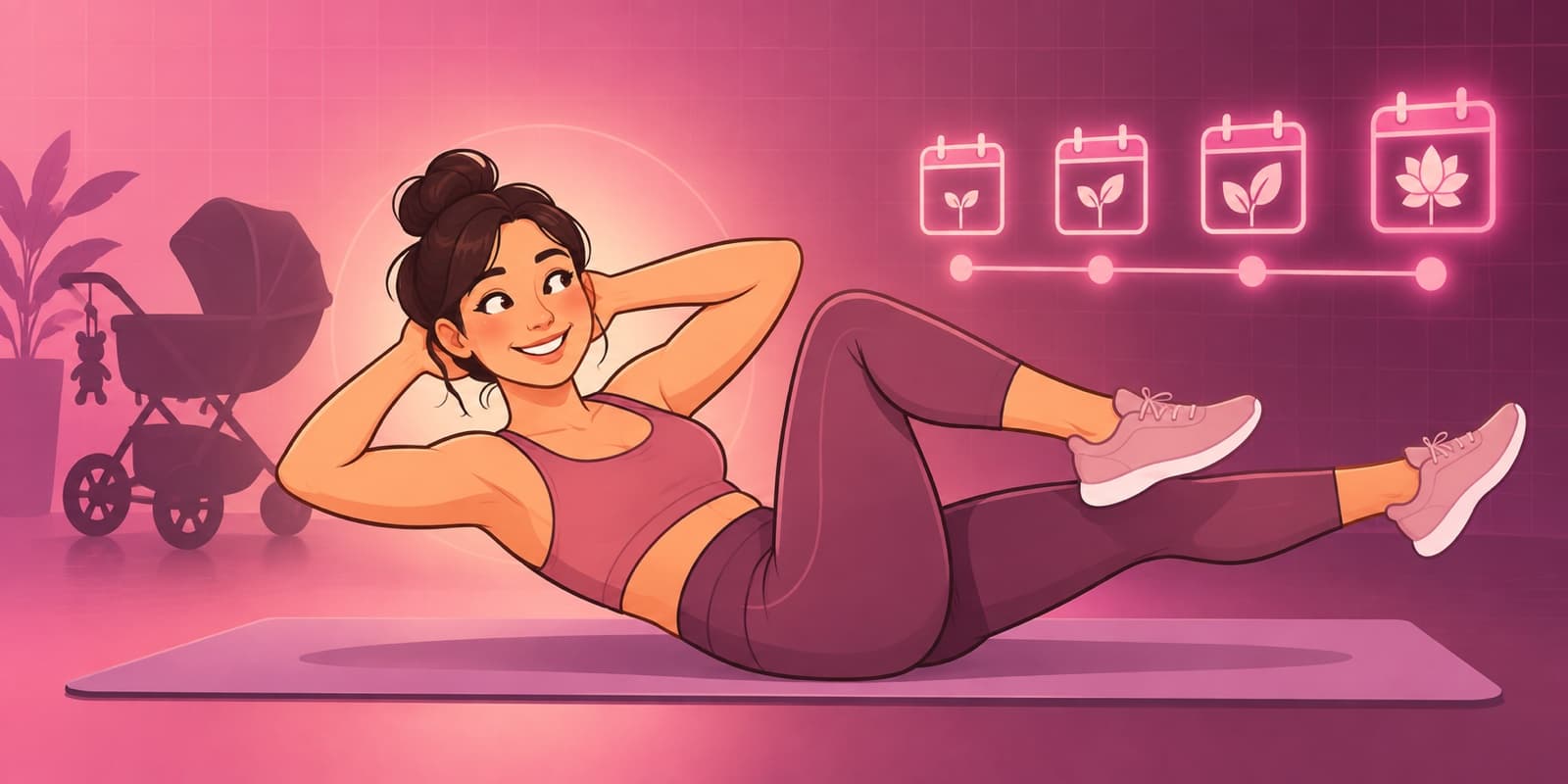
The standard advice after birth is a six-week check-up and a vague "you can exercise again." That leaves out almost everything useful: what to do in the six weeks, what to do after, how to know if you are ready for load, and why some women who follow the six-week rule end up with pelvic floor problems years later. This article gives you the timeline the evidence and the pelvic health profession actually support.
A note before starting: every birth is different, and this is general guidance, not a substitute for the assessment of your own care provider. The one recommendation that applies to everyone is to see a pelvic health physiotherapist, ideally around six weeks, whether or not you have symptoms.
What pregnancy and birth did to the system you lift with
The abdominal wall. By the third trimester the rectus abdominis has stretched and the linea alba, the connective tissue seam down the midline, has widened in essentially all women. This is diastasis recti, and at birth it is universal: one study found 100 percent of women had it at 35 weeks, 60 percent at 6 weeks postpartum, and about a third still had it at 12 months (Sperstad et al. 2016). The gap usually narrows on its own; what matters for training is whether you can generate tension across it and manage intra-abdominal pressure.
The pelvic floor. Pregnancy loads it for nine months and a vaginal birth stretches it further, sometimes with tearing or nerve strain. Around a third of women experience urinary incontinence in the first year, and symptoms are often silent until loading exposes them. A caesarean spares the floor the birth itself but not the nine months of load, and adds an abdominal wound.
Connective tissue. Relaxin and other hormones of pregnancy increase ligament laxity, and this persists for months postpartum, longer while breastfeeding. Joints are less stable and tendons less resilient than before.
Everything else. Sleep deprivation, altered eating, iron loss from bleeding, reduced physical activity in late pregnancy and the first weeks, and, if breastfeeding, a hormonal environment with low estrogen. Recovery capacity is a fraction of normal.
The timeline
Take these as typical ranges for an uncomplicated birth. Complications, caesarean delivery, significant tearing and pre-existing issues all shift them later.
Weeks 0 to 2: rest and reconnect
Walking as tolerated, starting with minutes and building. Diaphragmatic breathing lying down, coordinating a gentle pelvic floor lift and lower abdominal draw-in with each exhale. Gentle pelvic tilts, glute squeezes and ankle pumps. Nothing that strains. The goal is circulation and re-establishing the connection between breath, core and floor, not fitness.
Weeks 2 to 6: gentle foundations
Progressive walking to 20 to 30 minutes. Breathing-led core work progressing to heel slides, supine marching, bent-knee fall-outs and side-lying hip work. Bodyweight glute bridges and shallow bodyweight squats to a chair if pain-free. Pelvic floor work daily: both slow holds and quick contractions, with full relaxation between, since an over-tight floor is as much a problem as a weak one.
After a caesarean, walking and breathing only until the wound is comfortable, typically the full six weeks before anything else.
Week 6: the assessment, not the green light
The six-week check-up mostly confirms that healing is on track. It rarely includes a functional assessment of the abdominal wall or pelvic floor. This is when to see a pelvic health physiotherapist, who will assess diastasis (gap width, and more importantly, whether you can generate tension), pelvic floor strength and coordination, and any prolapse or scar issues, and clear you for progressive loading with a plan.
Weeks 6 to 12: rebuilding the base
With clearance, begin structured strength work at light loads, two or three times a week, 30 to 40 minutes:
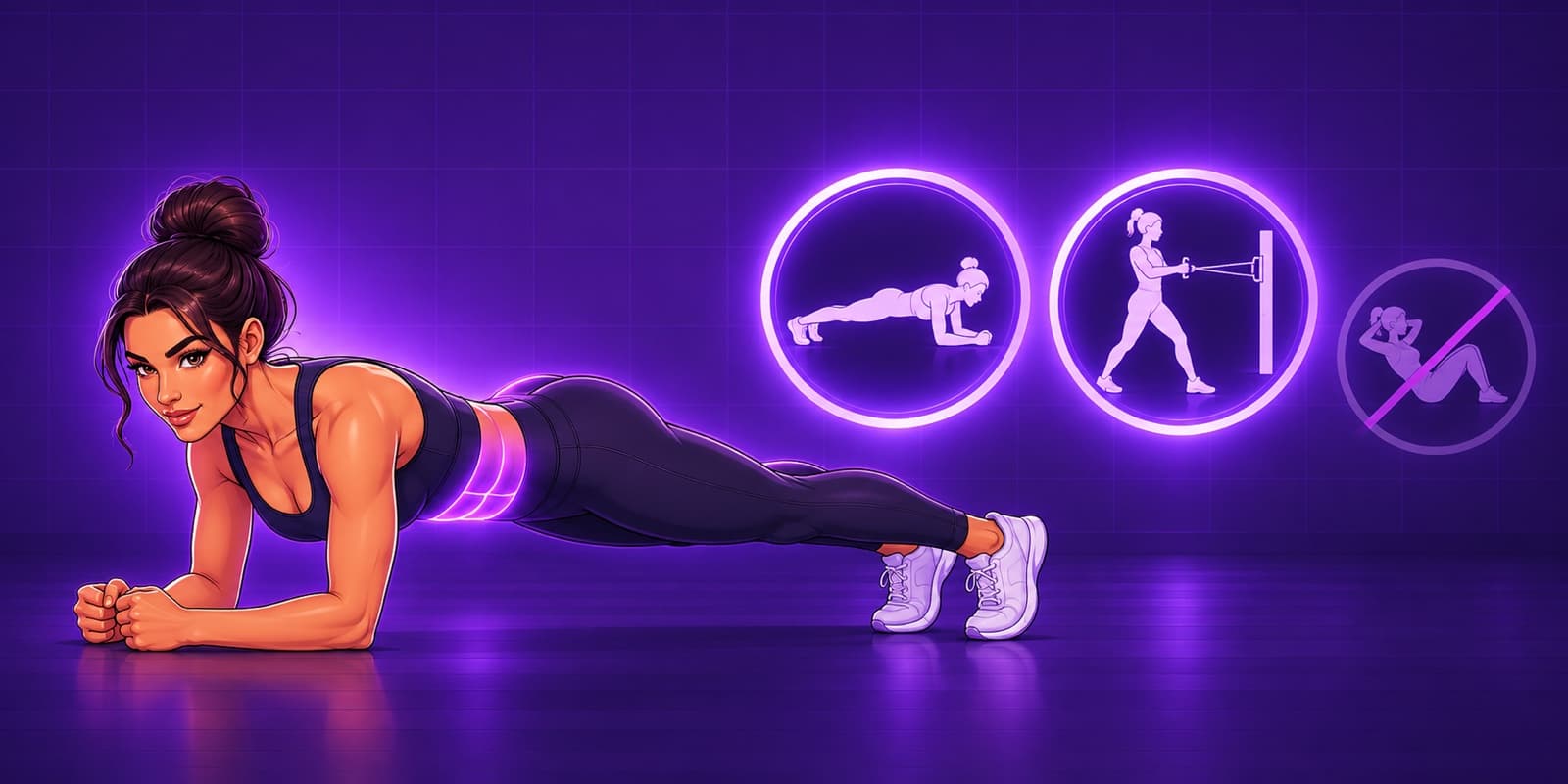
- Core: dead bugs, bird dogs, side planks from the knees, Pallof presses with a light band, carries. Progress by adding load and time only when there is no doming or pressure downward. See Best Core Exercises.
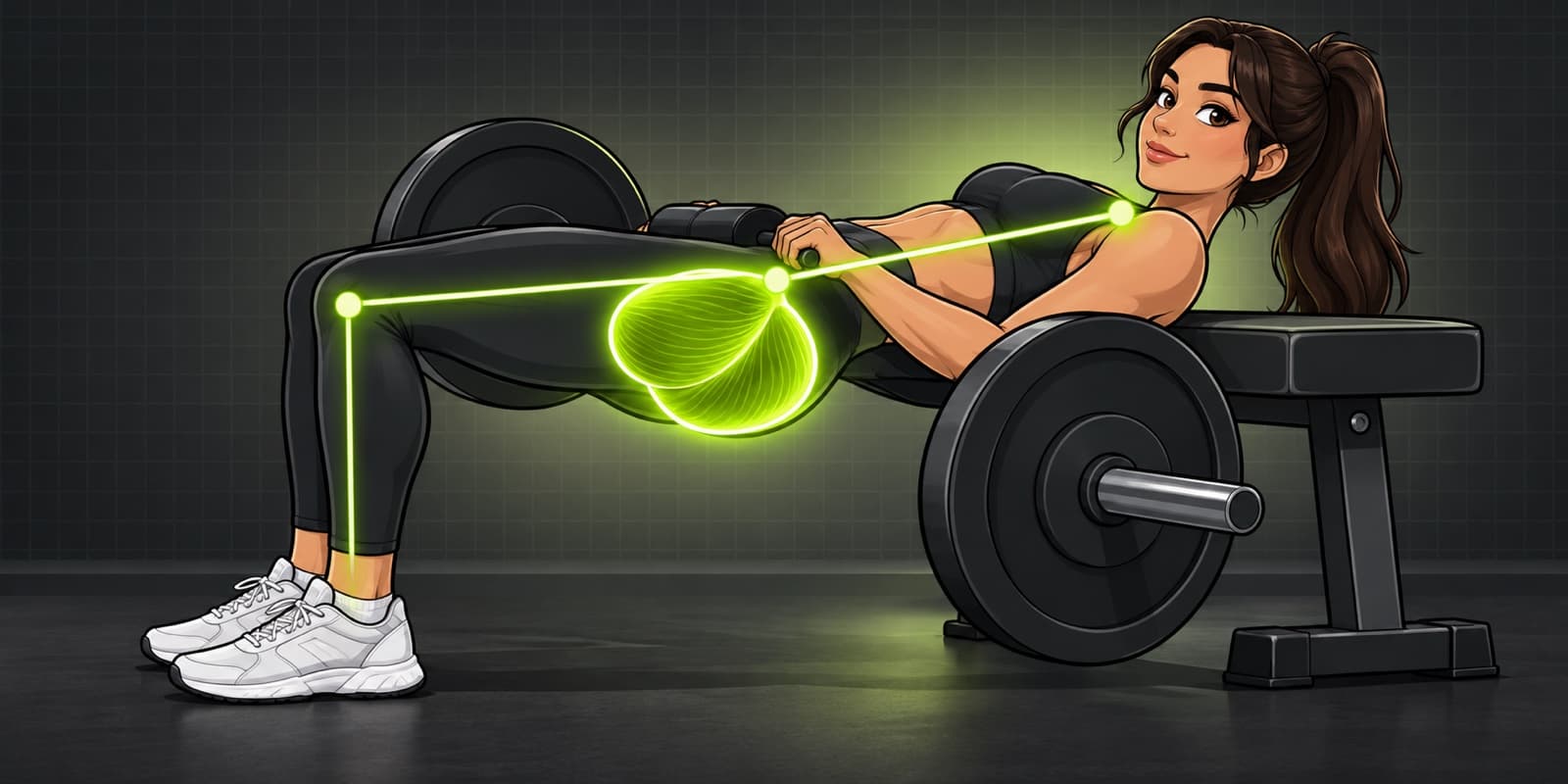
- Lower body: goblet squats, bodyweight and light hip thrusts and bridges, step-ups, Romanian deadlifts with a light kettlebell. See Hip Thrust Guide.
- Upper body: rows, band and light dumbbell presses, lat pulldowns. Carrying a baby is a posture challenge; upper back work pays off immediately.
- Cardio: walking, incline walking, stationary bike, swimming once bleeding has stopped and any wounds are healed.
Work at an RPE of 5 to 7, breathe out on effort, and stop any exercise that produces leaking, heaviness or doming.
Weeks 12 to 24: progressive loading
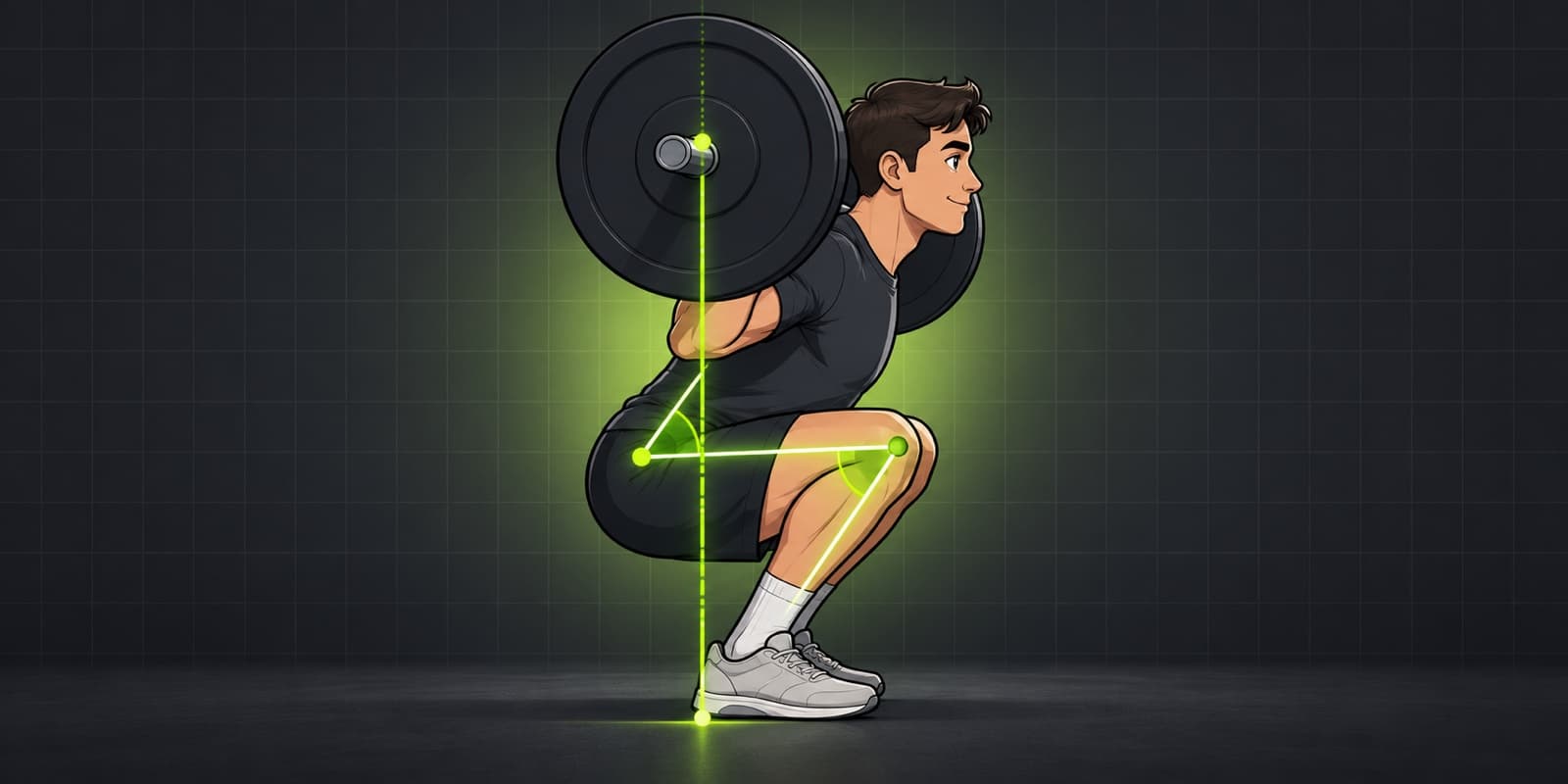
If symptom-free, progress like a beginner returning after a long layoff: add load steadily, move from goblet to barbell squats, reintroduce conventional deadlifts and overhead pressing at moderate loads, build the hip thrust, and add more core loading. Running and jumping can be reintroduced from 12 weeks onward if you can manage a set of screening tests (single-leg squats, hops and holds) without symptoms, per the widely-used return-to-running guidelines (Goom et al. 2019). Build running gradually, starting with walk-run intervals.
Months 6 to 12: back to full training
Most women with a progressive plan are back to pre-pregnancy loads somewhere in this window, and many sooner. Heavy lifting, high-impact sport and maximal efforts are all appropriate when technique is solid, pressure is well managed and symptoms are absent. Connective tissue laxity is largely resolved unless still breastfeeding, in which case a little extra caution with maximal loads and joint-stressing positions is sensible.
Diastasis recti: what actually matters
The width of the gap gets the attention, but the research and clinical consensus have moved on. The functional question is whether the linea alba can generate and transmit tension. Many women with a two- or three-finger gap have perfectly functional cores; some with a small gap cannot manage pressure at all.
What helps, per the physiotherapy literature (Benjamin et al. 2014; Gluppe et al. 2021):
- Breathing-led activation of the transverse abdominis and pelvic floor, progressed into movement.
- Loading the core progressively through anti-extension (dead bugs), anti-rotation (Pallof press) and anti-lateral-flexion (side planks, carries) patterns.
- Managing intra-abdominal pressure: exhaling on effort, avoiding breath-holding under load early on, and watching for doming.
- Patience. Reduction continues for a year or more.
What does not help: crunches and sit-ups early on, which increase pressure across the gap; abdominal binders as a substitute for muscle work; and the belief that a gap must close completely to be fine. Surgery is a last resort for a small minority with persistent functional or hernia problems.
The pelvic floor: the non-negotiable
Pelvic floor dysfunction after birth is common, under-reported and largely preventable with rehabilitation. Trials show supervised pelvic floor training reduces postpartum incontinence substantially (Woodley et al. 2020). The principles:
- Train both strength (slow holds of up to 10 seconds) and speed (quick contractions), and always relax fully between.
- Integrate the floor with breathing and then with movement, so it works automatically under a squat, not just lying down.
- Lifting is not the enemy of the pelvic floor. Uncontrolled pressure is. Coordinated breathing and progressive load train the floor to cope with real life, which includes picking up a toddler.
- Symptoms are information. Leaking, heaviness, or a dragging feeling under load mean the current load exceeds the floor's capacity today. Scale back, get assessed, and progress from there.
Breastfeeding and training
Exercise does not reduce milk supply or alter milk composition when you eat and drink enough (ACOG 2020). Practicalities: breastfeeding raises energy needs by roughly 400 to 500 calories a day and fluid needs considerably, so a deficit should be modest if at all; feed or pump before sessions for comfort; wear a supportive bra; and be aware that estrogen stays low while breastfeeding, which keeps ligaments laxer and, over a long period, affects bone, both of which argue for gradual loading and adequate calcium.
Nutrition and recovery
Sleep is the limiting factor and you cannot fix it by willpower, so lower expectations of training frequency and use RPE to autoregulate. Protein at 1.6 g/kg or more supports tissue repair. Iron may be low after birth; fatigue that feels disproportionate warrants a blood test. See Iron Deficiency in Active Women. Do not diet hard in the first six months; the body is repairing and, if breastfeeding, producing.
Red flags
Stop and get assessed if you experience: bleeding that increases or returns after stopping; pain in the abdomen, pelvis or scar; urinary or faecal leaking; a bulge or heaviness in the vagina; doming or a visible ridge along the midline under load; or fatigue and low mood that do not lift. Postnatal depression is common and treatable; exercise helps, but it is not a treatment on its own.
The bottom line
Start with breath and walking in the first weeks, rebuild the deep core and pelvic floor, get a pelvic health assessment around six weeks, then load progressively over three to six months back toward heavy lifting, delaying running until at least twelve weeks and symptom-free. Let symptoms, not the calendar, set the pace. Done this way, strength training is one of the best things you can do for your postpartum body, and most women end up stronger than before.
Sources
- American College of Obstetricians and Gynecologists. "Physical Activity and Exercise During Pregnancy and the Postpartum Period: ACOG Committee Opinion, Number 804." Obstetrics and Gynecology, 2020.
- Goom T, Donnelly G, Brockwell E. "Returning to running postnatal: guidelines for medical, health and fitness professionals managing this population." 2019.
- Sperstad JB, Tennfjord MK, Hilde G, Ellström-Engh M, Bø K. "Diastasis recti abdominis during pregnancy and 12 months after childbirth: prevalence, risk factors and report of lumbopelvic pain." British Journal of Sports Medicine, 2016.
- Benjamin DR, van de Water AT, Peiris CL. "Effects of exercise on diastasis of the rectus abdominis muscle in the antenatal and postnatal periods: a systematic review." Physiotherapy, 2014.
- Gluppe S, Engh ME, Bø K. "What is the evidence for abdominal and pelvic floor muscle training to treat diastasis recti abdominis postpartum? A systematic review with meta-analysis." Brazilian Journal of Physical Therapy, 2021.
- Woodley SJ, Lawrenson P, Boyle R, et al. "Pelvic floor muscle training for preventing and treating urinary and faecal incontinence in antenatal and postnatal women." Cochrane Database of Systematic Reviews, 2020.
Frequently asked questions
When can I start lifting weights after giving birth?
Light bodyweight and breathing-based core work can start within the first two weeks of an uncomplicated vaginal birth. Structured strength training typically resumes at around 6 weeks with clearance from your care provider, starting at loads well below pre-pregnancy and building over several months. After a caesarean, expect 8 to 12 weeks before meaningful loading.
What exercises are safe with diastasis recti?
Breathing-led core work (diaphragmatic breathing with pelvic floor and transverse abdominis engagement), dead bugs, bird dogs, heel slides, side planks and carries. Avoid crunches, sit-ups, full planks and heavy loaded movements until the gap is functional and you can manage pressure without doming. A pelvic health physiotherapist can assess and progress you.
How long does postpartum recovery take before heavy lifting?
Most women can be back to pre-pregnancy loads by 6 to 12 months with a progressive plan, and many sooner. Connective tissue remains more lax for several months, especially while breastfeeding, so progress by symptoms and technique rather than a calendar.
Can I run after having a baby?
Guidelines recommend waiting at least 12 weeks and being free of pelvic floor symptoms (leaking, heaviness, pain) before returning to running, after building strength with lower-impact work first. Running earlier is associated with higher rates of pelvic floor dysfunction.
Does breastfeeding affect training?
It raises calorie and fluid needs by roughly 400 to 500 calories a day, keeps relaxin and estrogen levels altered, which affects joint laxity and bone, and can make timing sessions around feeds a practical challenge. Exercise does not reduce milk supply or quality when you eat and drink enough.
What are signs I am doing too much postpartum?
Urinary leaking, a feeling of heaviness or dragging in the pelvis, pain, increased bleeding or a return of bleeding after it had stopped, doming along the midline of the abdomen under load, and extreme fatigue. Any of these means scale back and get assessed.