Sleep Optimization for Athletes
10 min read · September 2026 · by Manikanta Sirumalla
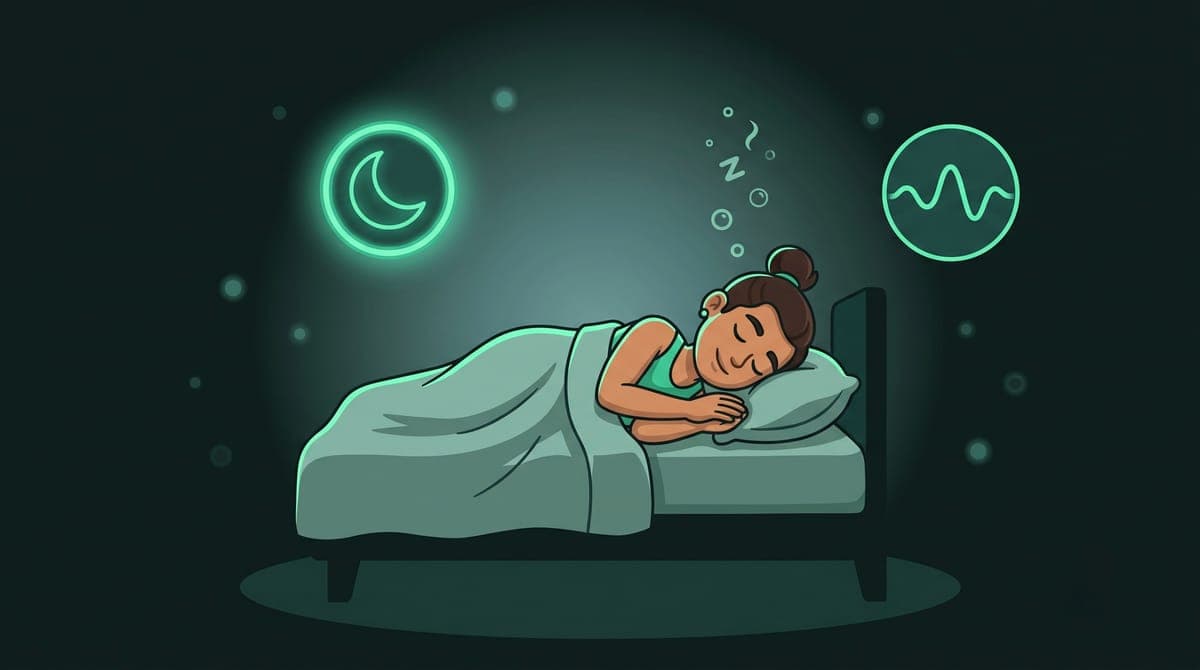
Every recovery method sold to athletes, from compression boots to cold plunges, has a smaller effect than an extra hour of sleep. Sleep is when growth hormone peaks, when muscle protein is consolidated, when the nervous system that learned today's movement rehearses it, and when the immune and hormonal systems reset. Short-change it and everything else you do costs more and returns less. This article covers what the research shows about sleep and performance, and what to do about it, in order of impact.
What short sleep does to you
Muscle. A single night of total sleep deprivation reduced muscle protein synthesis by about 18 percent and raised cortisol in young men (Lamon et al. 2021). A week of sleeping five hours a night lowered daytime testosterone by 10 to 15 percent, the equivalent of ageing 10 to 15 years (Leproult and Van Cauter 2011). In a controlled diet study, people sleeping 5.5 hours lost 60 percent more lean mass and 55 percent less fat than the same people sleeping 8.5 hours on identical calories (Nedeltcheva et al. 2010). Sleep decides whether a deficit takes fat or muscle.
Strength and performance. Sleep restriction reduces maximal strength, especially in multi-joint lifts, impairs reaction time and accuracy, raises perceived effort for a given workload, and shortens time to exhaustion in endurance tasks (Kirschen et al. 2020). The effects compound over consecutive short nights.
Injury. In adolescent athletes, sleeping less than eight hours was associated with 1.7 times the injury rate of those sleeping more (Milewski et al. 2014). Fatigue, slower reaction and impaired decision-making all contribute.
Appetite and fat. Short sleep raises ghrelin (hunger), lowers leptin (satiety), and increases cravings for high-calorie food, which is why chronically short sleepers gain weight in cohort studies and struggle to diet.
Illness. People sleeping under six hours were about four times more likely to develop a cold after viral exposure than those sleeping over seven (Prather et al. 2015).
Mood and motivation. The most immediate effect, and one that quietly erodes training consistency.
What more sleep does
The reverse experiments are as striking. Stanford basketball players who extended sleep to 10 hours a night for five to seven weeks improved sprint times, shooting accuracy by about 9 percent, and reaction time, and reported better mood and less fatigue (Mah et al. 2011). Similar sleep-extension studies in swimmers, tennis players and other athletes show comparable improvements. If you are chronically short, the biggest performance gain available to you is probably in bed.
How much
The consensus for adults is 7 to 9 hours (Hirshkowitz et al. 2015). Athletes in heavy training often need the top of that range or beyond, and many are measured getting under 7 (Halson 2014). A practical test: if you need an alarm to wake, are groggy for more than 20 minutes, and sleep noticeably longer on free days, you are short.
The fixes, in order of impact
1. A fixed wake time
The circadian system anchors to light exposure and wake time. A consistent wake time, within about 30 minutes, seven days a week, does more for sleep quality than any other single habit, because it stabilises the clock that determines when you get sleepy. Bedtime can flex; wake time should not. Get bright light, ideally outdoors, within an hour of waking.
2. Sleep opportunity
You cannot sleep eight hours in a seven-hour window. Count back from your wake time, add 30 minutes for falling asleep and brief awakenings, and protect that window. Most "I can't sleep more" problems are scheduling problems.
3. Caffeine cutoff
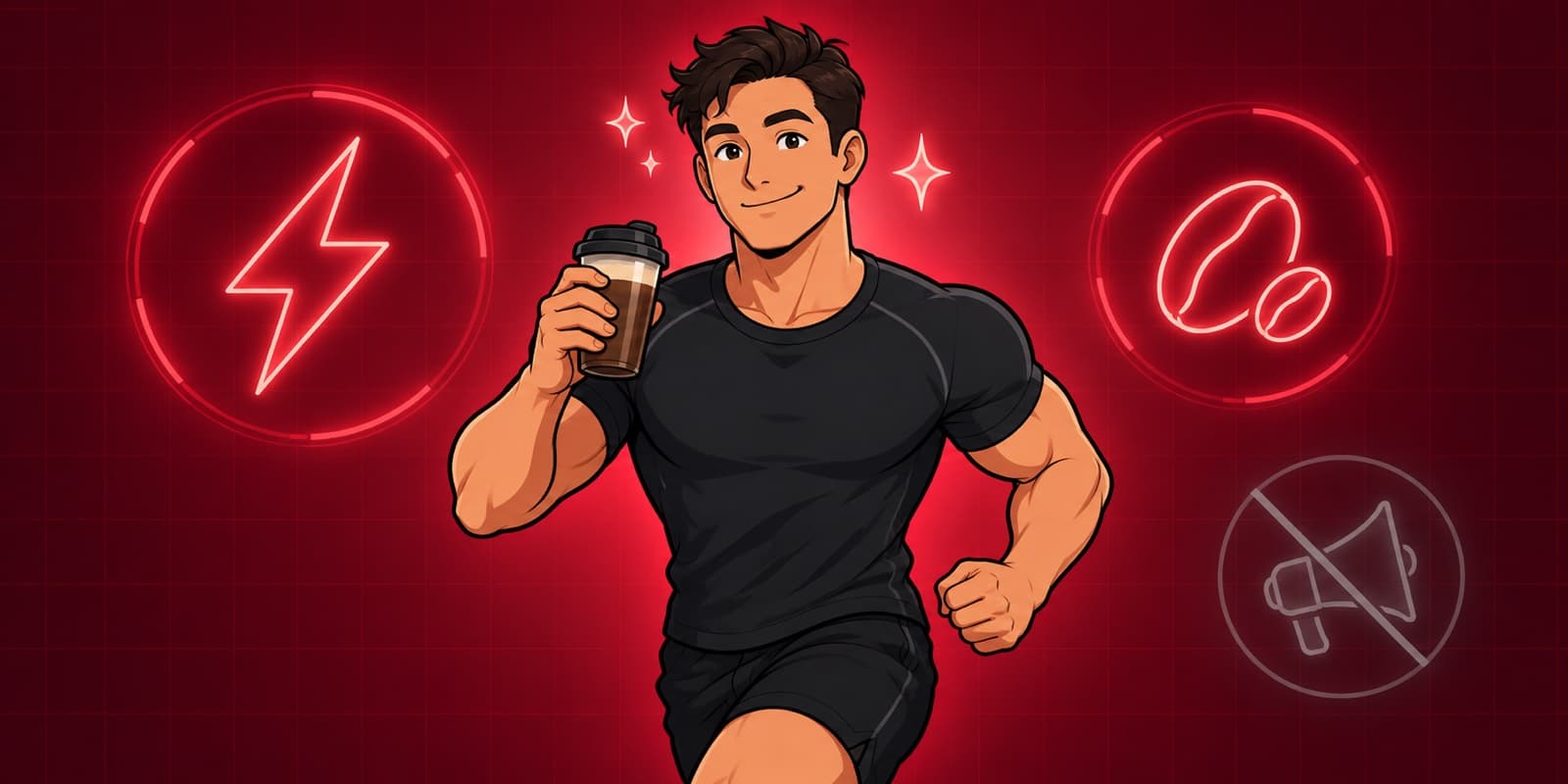
Caffeine's half-life is about five hours, and its effect on sleep is dose- and timing-dependent. A 2023 meta-analysis of 24 studies found that a 107 mg dose (a standard coffee) should be consumed at least 8.8 hours before bed, and a 217 mg dose (a typical pre-workout) at least 13.2 hours before bed, to avoid measurable reductions in total sleep time (Gardiner et al. 2023). Caffeine at 400 mg taken six hours before bed cut sleep by over an hour in a controlled study, and participants did not perceive the loss (Drake et al. 2013). If you train in the evening, use a low dose or none. See Caffeine and Pre-Workout.
4. Alcohol
Alcohol helps you fall asleep and then wrecks the second half of the night: it suppresses REM, fragments sleep, raises heart rate and lowers HRV, and it shows up in wearable data the next morning more reliably than almost any other input (Ebrahim et al. 2013). Two drinks within three to four hours of bed measurably degrade sleep. See Alcohol and Fitness.
5. Temperature
Core body temperature has to fall for sleep to begin and stay low for sleep to be deep. A bedroom around 18 degrees Celsius (65 Fahrenheit), give or take a couple of degrees, supports this; warm rooms fragment sleep (Harding et al. 2019). A warm shower or bath an hour before bed helps, counterintuitively, by drawing heat to the skin so core temperature drops faster afterward.
6. Light
Darkness signals melatonin release. Bright light in the evening delays it. Dim the lights in the last hour, use blackout blinds or a mask, and keep screens out of bed or at minimum brightness; the evidence on blue-light glasses is mixed but a dim, boring screen is less harmful than a bright, engaging one (Chang et al. 2015). Morning light matters as much as evening darkness for anchoring the clock.
7. Training timing
Exercise improves sleep overall. Very intense training within about an hour of bed can delay sleep onset in some people because of raised core temperature and arousal; moderate or earlier training does not. If you must train late, finish with a cooldown and keep the caffeine out of it.
8. Food
A very large meal right before bed can disrupt sleep, but a moderate meal with carbohydrate and protein one to three hours before tends to help, and 30 to 40 g of casein or a protein-rich snack before bed supports overnight muscle protein synthesis without harming sleep. Going to bed hungry, common in a cut, disrupts sleep. See Protein Timing.
9. Wind-down
A consistent 20 to 30 minute routine (dim light, no work, reading, stretching, breathing) conditions the nervous system to expect sleep. It is not optional if you find yourself wired at bedtime.
10. Naps
A 20 to 30 minute nap before about 3 pm improves alertness and performance when night sleep is short, without grogginess or interfering with the next night (Lastella et al. 2021). Longer naps enter deep sleep and cause sleep inertia. Athletes with a short night should nap rather than push through.
Supplements
Magnesium. Small trials, mostly in older adults or people with low intake, show modest improvements in sleep onset and quality with 300 to 500 mg (Abbasi et al. 2012). Glycinate and citrate are better tolerated than oxide. Cheap, safe, and worth trying if your diet is low in it; expect a modest effect.
Melatonin. A meta-analysis found melatonin shortens time to fall asleep by about seven minutes and increases total sleep by about eight minutes (Ferracioli-Oda et al. 2013). Useful for jet lag and shift changes, where it resets the clock. Low doses of 0.5 to 3 mg are as effective as higher ones. It is not a sedative.
Glycine. Three grams before bed improved subjective sleep quality and next-day fatigue in a few small studies. Low risk, small effect.
Tart cherry, chamomile, valerian, CBD. Evidence ranges from weak to absent. Not harmful at normal doses; not a solution.
Sleeping pills and over-the-counter antihistamines. Sedation is not sleep; these suppress the deep and REM stages you need and carry dependence and next-day effects. Not for routine use.
Tracking sleep
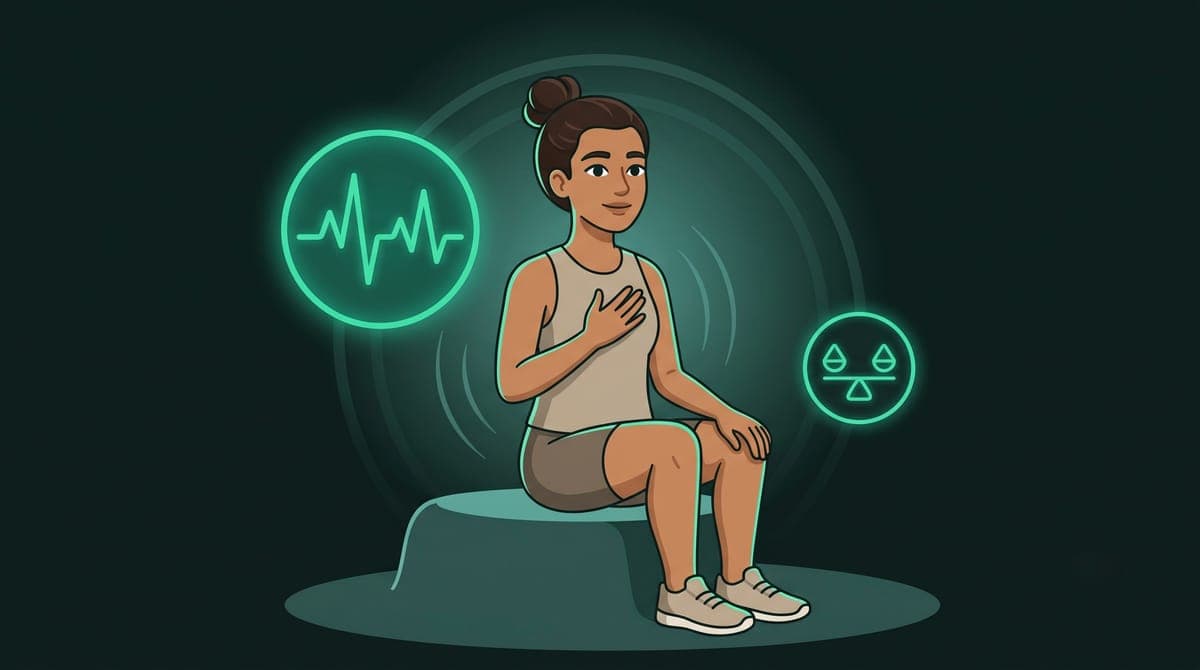
Wearables estimate sleep stages with modest accuracy and total sleep time reasonably well. Their value is in trends: a fall in sleep duration or HRV, or a rise in resting heart rate, across days is real information, while a single night's "deep sleep" score is not. Obsessing over the numbers can itself impair sleep, a phenomenon clinicians now call orthosomnia. See Sleep and Recovery and HRV and Recovery.
When to see a doctor
Loud snoring with gasping or pauses, persistent daytime sleepiness despite adequate time in bed, or an inability to sleep that lasts more than a few weeks are reasons for medical assessment. Sleep apnoea is common, under-diagnosed, especially in heavier and more muscular people, and treatable, and no amount of sleep hygiene fixes it.
The bottom line
Sleep is the highest-return recovery tool there is. Fix wake time, protect an 8 to 9 hour window, cut caffeine 9 hours before bed and pre-workout doses 13 hours before, keep alcohol away from bedtime, sleep cool and dark, and nap when the night was short. Magnesium and low-dose melatonin help specific problems a little; nothing in a bottle replaces the hour you did not sleep.
Sources
- Lamon S, Morabito A, Arentson-Lantz E, et al. "The effect of acute sleep deprivation on skeletal muscle protein synthesis and the hormonal environment." Physiological Reports, 2021.
- Leproult R, Van Cauter E. "Effect of 1 week of sleep restriction on testosterone levels in young healthy men." JAMA, 2011.
- Nedeltcheva AV, Kilkus JM, Imperial J, Schoeller DA, Penev PD. "Insufficient sleep undermines dietary efforts to reduce adiposity." Annals of Internal Medicine, 2010.
- Kirschen GW, Jones JJ, Hale L. "The Impact of Sleep Duration on Performance Among Competitive Athletes: A Systematic Literature Review." Clinical Journal of Sport Medicine, 2020.
- Milewski MD, Skaggs DL, Bishop GA, et al. "Chronic lack of sleep is associated with increased sports injuries in adolescent athletes." Journal of Pediatric Orthopaedics, 2014.
- Prather AA, Janicki-Deverts D, Hall MH, Cohen S. "Behaviorally Assessed Sleep and Susceptibility to the Common Cold." Sleep, 2015.
- Mah CD, Mah KE, Kezirian EJ, Dement WC. "The effects of sleep extension on the athletic performance of collegiate basketball players." Sleep, 2011.
- Hirshkowitz M, Whiton K, Albert SM, et al. "National Sleep Foundation's sleep time duration recommendations: methodology and results summary." Sleep Health, 2015.
- Halson SL. "Sleep in elite athletes and nutritional interventions to enhance sleep." Sports Medicine, 2014.
- Gardiner C, Weakley J, Burke LM, et al. "The effect of caffeine on subsequent sleep: A systematic review and meta-analysis." Sleep Medicine Reviews, 2023.
- Drake C, Roehrs T, Shambroom J, Roth T. "Caffeine effects on sleep taken 0, 3, or 6 hours before going to bed." Journal of Clinical Sleep Medicine, 2013.
- Ebrahim IO, Shapiro CM, Williams AJ, Fenwick PB. "Alcohol and sleep I: effects on normal sleep." Alcoholism: Clinical and Experimental Research, 2013.
- Harding EC, Franks NP, Wisden W. "The Temperature Dependence of Sleep." Frontiers in Neuroscience, 2019.
- Chang AM, Aeschbach D, Duffy JF, Czeisler CA. "Evening use of light-emitting eReaders negatively affects sleep, circadian timing, and next-morning alertness." Proceedings of the National Academy of Sciences, 2015.
- Lastella M, Halson SL, Vitale JA, Banar AR, Vincent GE. "To Nap or Not to Nap? A Systematic Review Evaluating Napping Behavior in Athletes and the Impact on Various Measures of Athletic Performance." Nature and Science of Sleep, 2021.
- Abbasi B, Kimiagar M, Sadeghniiat K, et al. "The effect of magnesium supplementation on primary insomnia in elderly: A double-blind placebo-controlled clinical trial." Journal of Research in Medical Sciences, 2012.
- Ferracioli-Oda E, Qawasmi A, Bloch MH. "Meta-analysis: melatonin for the treatment of primary sleep disorders." PLoS One, 2013.
Frequently asked questions
How much sleep do athletes need?
At least 7 to 9 hours, and studies of sleep extension suggest many athletes perform best nearer 9 to 10. Training increases the need for recovery, and the negative effects of short sleep on strength, reaction time and injury are measurable below 7 hours.
What time should I stop drinking caffeine?
A 2023 meta-analysis found a standard 100 mg dose (one coffee) should be taken about 9 hours before bed, and a 200 mg pre-workout dose about 13 hours before, to avoid measurable effects on sleep. If you train in the evening, use a low dose or skip it.
Does lack of sleep affect muscle growth?
Yes. One night of total sleep loss reduced muscle protein synthesis by about 18 percent in one study; a week of 5-hour nights lowered testosterone by 10 to 15 percent in young men; and sleep restriction during a diet caused 60 percent more of the weight lost to come from lean mass. Sleep is where adaptation is consolidated.
Does magnesium help you sleep?
Modestly, mainly in people who are deficient or older. Trials show small improvements in sleep onset and quality with 300 to 500 mg of magnesium glycinate or citrate. It is safe and cheap; expect a small effect, not a transformation.
Should I take melatonin?
Low doses (0.5 to 3 mg) shorten the time to fall asleep by a few minutes and are useful for resetting your clock after travel or shift changes. It is not a sedative and does not deepen sleep. Higher doses are not more effective.
Are naps good for athletes?
Yes, when night sleep is short. A 20 to 30 minute nap in the early afternoon improves alertness, reaction time and perceived effort without grogginess. Naps over 30 minutes or after mid-afternoon can interfere with night sleep.