Best Glute Exercises Ranked by Evidence
10 min read · September 2026 · by Manikanta Sirumalla
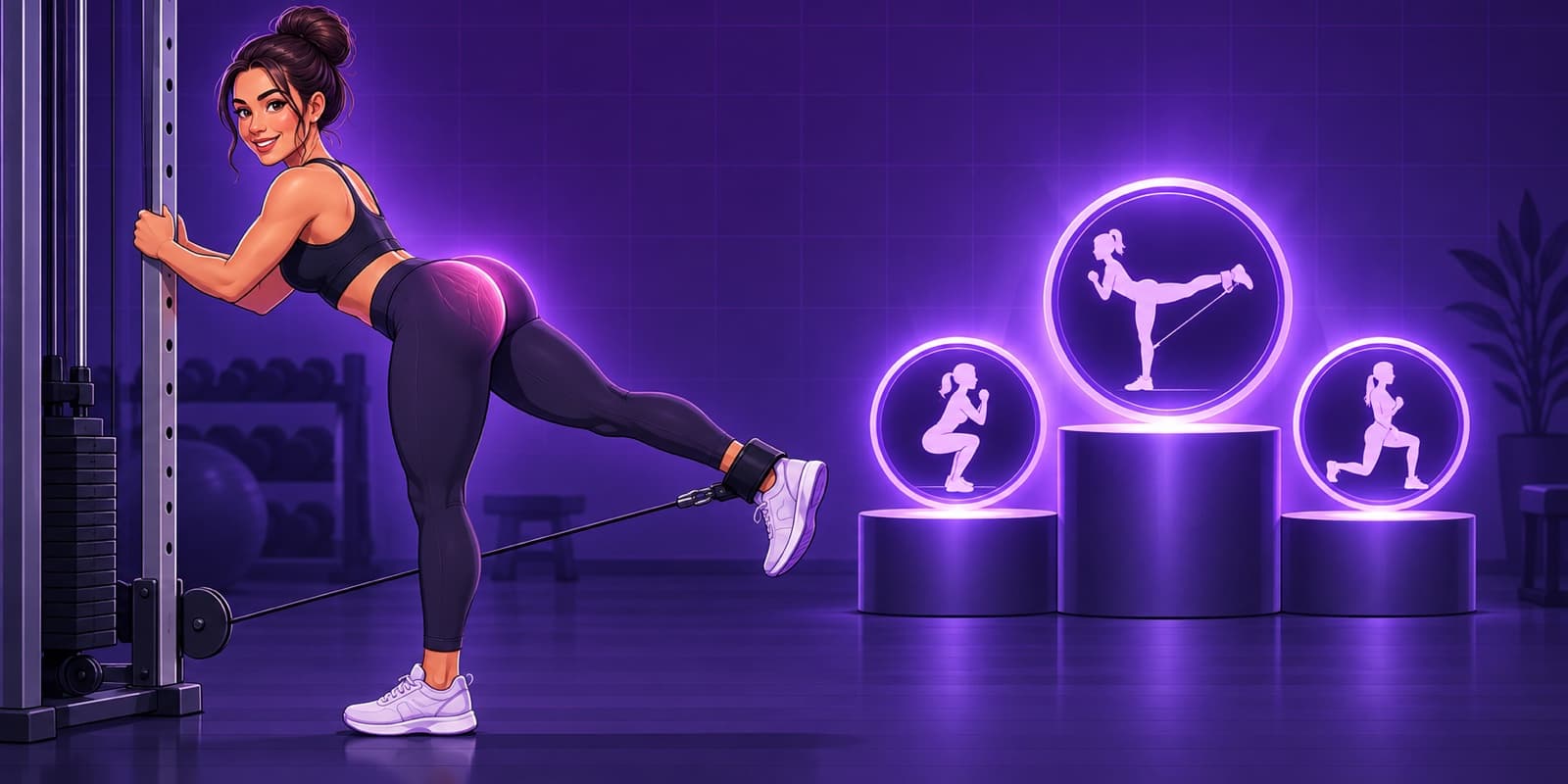
The glutes are the largest muscle group in the body, the primary hip extensors, and the muscles most people most want to grow. They are also surrounded by more exercise variety and more misinformation than any other muscle. This ranking uses two kinds of evidence: EMG studies, which measure how hard the glutes work during an exercise, and training studies, which measure whether they actually grew. The second kind matters more, and it changes the ranking.
The principle: stretched and shortened
The gluteus maximus is loaded differently by different exercises:
- Stretched loading: deep squats, lunges, step-ups and Romanian deadlifts load the glutes most at the bottom, when the hip is flexed and the muscle is long.
- Shortened loading: hip thrusts, glute bridges, cable kickbacks and back extensions load the glutes most at the top, when the hip is extended and the muscle is short.
Recent research suggests training at long muscle lengths produces at least as much growth as training at short lengths, and possibly more (Pedrosa et al. 2022), while the highest EMG readings come from shortened positions. Direct comparisons of squats and hip thrusts, the flagship exercises of each category, find similar gluteus maximus growth (Plotkin et al. 2023). A complete program uses both.
Tier 1: the foundation
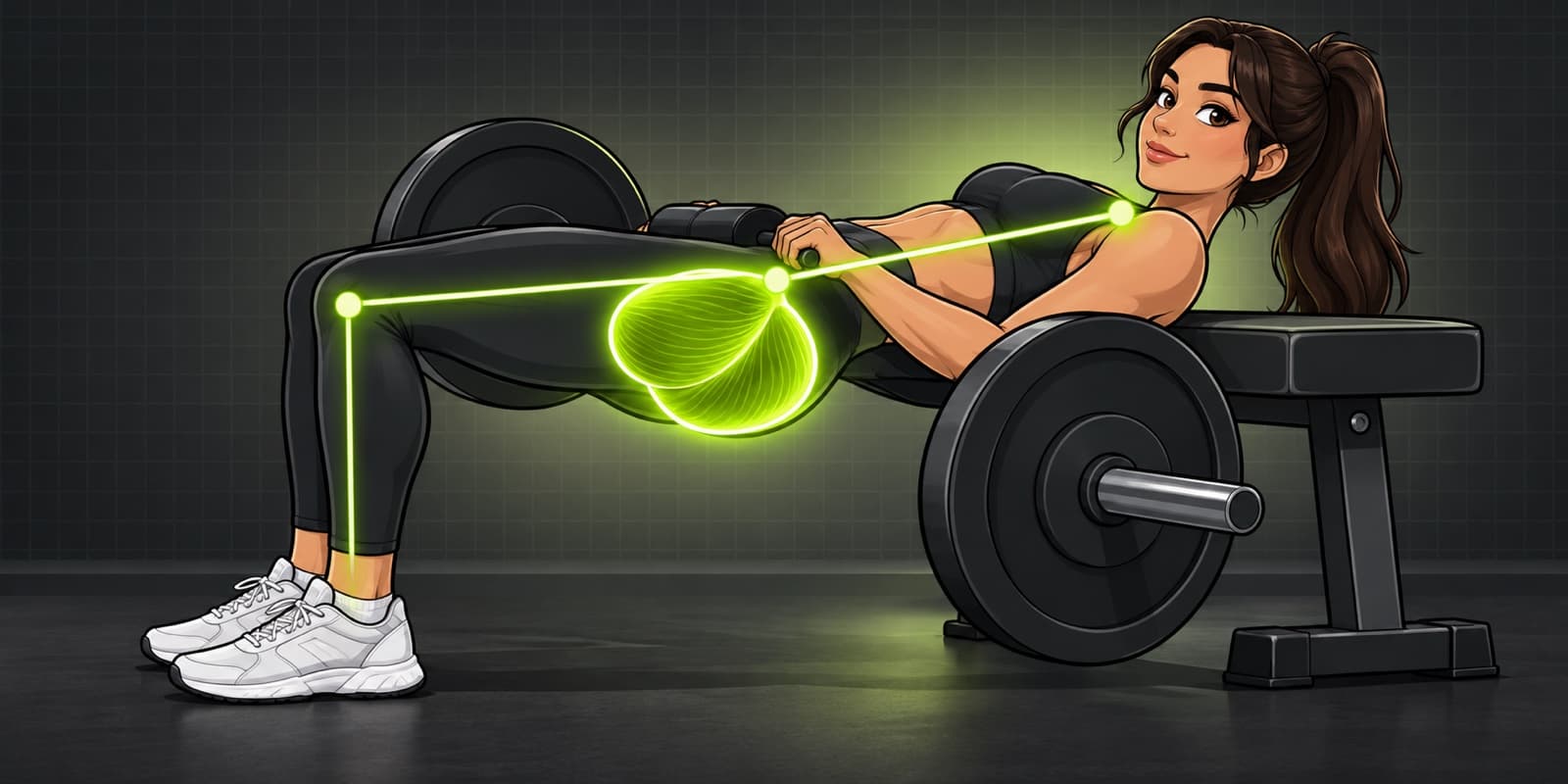
Barbell hip thrust. The highest gluteus maximus activation of any common exercise in systematic reviews (Neto et al. 2020), heavy loading, and a strong glute squeeze at lockout. It builds glute strength faster than any other movement and improves sprint speed in athletes. Its EMG advantage over the squat does not translate into more growth in direct comparison, but it is the best shortened-position exercise available. See Hip Thrust Guide.
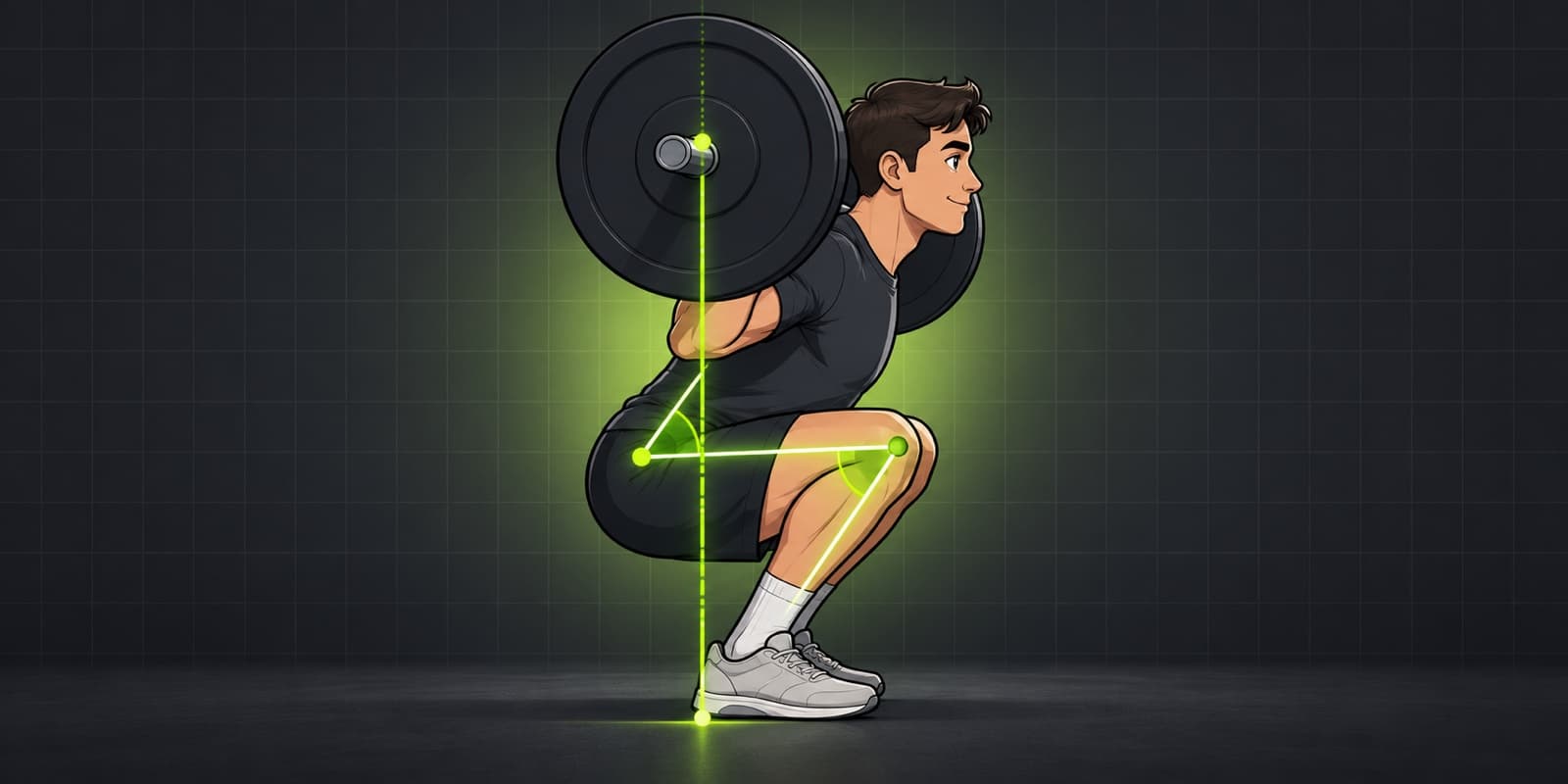
Deep squat (back, front, goblet, safety bar). Full-depth squats produced substantial glute and adductor growth over 10 weeks while half squats produced almost none (Kubo et al. 2019). In head-to-head training comparisons, squats grow the glutes about as much as hip thrusts and grow the quads and adductors besides (Barbalho et al. 2020; Plotkin et al. 2023). Depth is what makes the squat a glute exercise. See How to Squat.
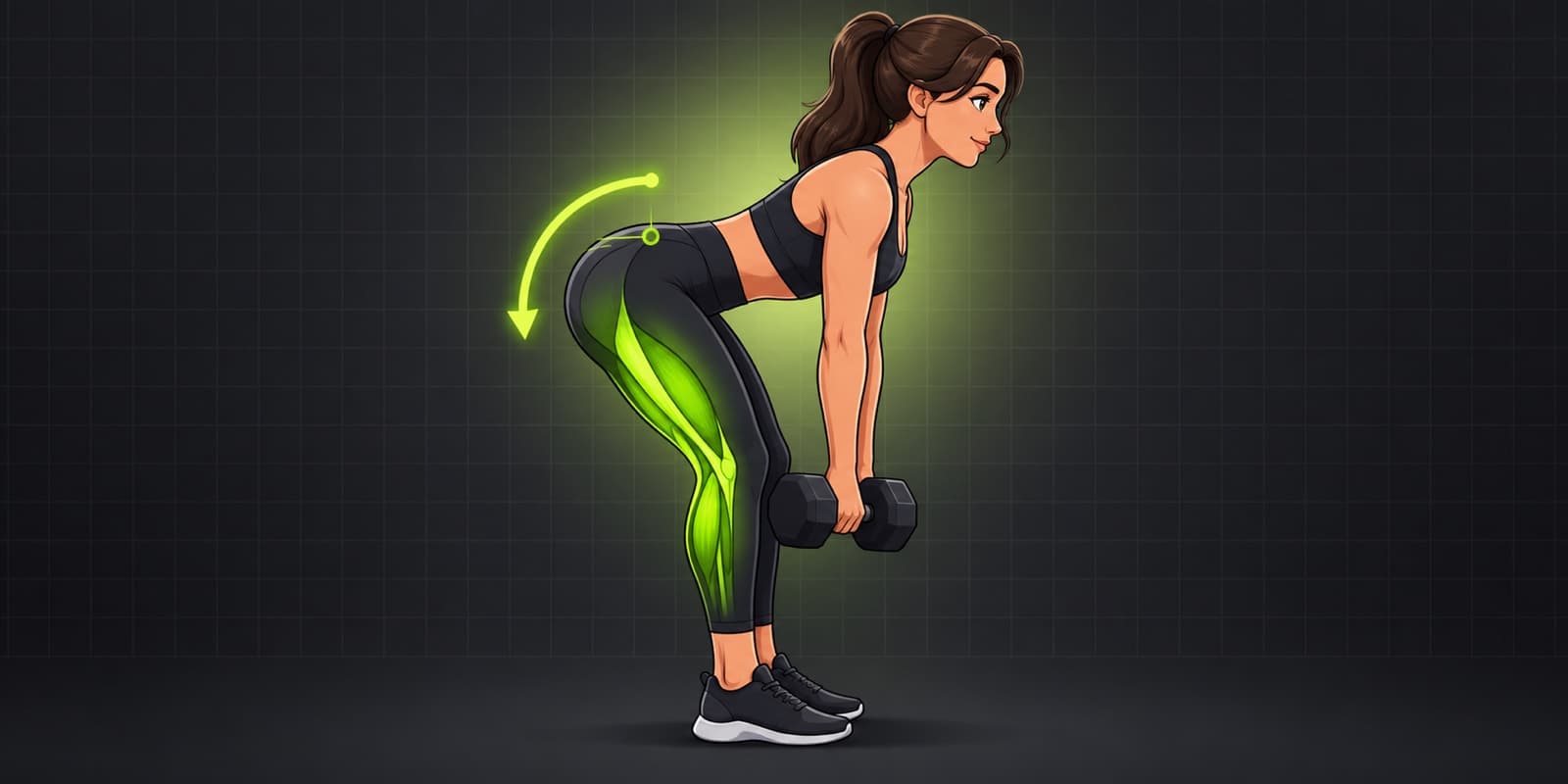
Romanian deadlift and hip hinges. The RDL loads the glutes and hamstrings at long lengths through a hip hinge. Conventional deadlifts, sumo deadlifts, good mornings and trap bar deadlifts all belong to this family. High glute activation in the top half of the lift and the best hamstring stimulus available. See Romanian Deadlift Guide.
Tier 2: single-leg and stretched positions
Step-ups. In the largest systematic review of glute EMG, step-up variations produced the very highest gluteus maximus activation, above the hip thrust, because of the deep hip flexion and single-leg demand (Neto et al. 2020). Use a box high enough that the thigh is at or above parallel at the bottom, drive through the whole foot, and avoid pushing off the trailing leg.
Bulgarian split squat. The rear foot elevated; the front hip goes deep. Very high glute activation, a long stretch, and it exposes side-to-side strength differences. A forward torso lean and a longer stance increase glute involvement; an upright torso and shorter stance increase quad involvement.
Walking and reverse lunges. High activation, especially with a long stride and a slight forward lean. Reverse lunges are easier on the knees and load the glutes slightly more than forward lunges.
Single-leg RDL. Excellent for the gluteus medius and hip stability, with a strong stretch on the working side. Loads are light, which makes it an accessory.
Tier 3: accessories and the gluteus medius
Hip abduction (cable, machine, banded). The gluteus medius and minimus, on the side of the hip, abduct and stabilise the hip. They are trained by seated and standing abduction, lateral band walks, and side-lying leg raises. They matter for hip stability, knee health and the "upper glute" shape that many people want, and they get little direct work from squats and hinges (Neto et al. 2020).
Cable kickbacks. High activation at the top, easy to feel, and useful for extra volume in the shortened position. Limited by how much load the setup allows.
Back extensions (45-degree). With a rounded upper back and a glute squeeze at the top, a strong shortened-position glute exercise. Keep the range full and the tempo controlled.
Glute bridges and frog pumps. High-rep finishers and warm-ups.
Leg press with high, wide foot placement. More glute involvement than a low placement, and useful when back fatigue limits squatting.
What the rankings leave out
- Machines vs free weights: both grow muscle; free weights train stability, machines allow volume when fatigued. Use both.
- Hip thrust machines: convenient and effective; the same principles apply.
- Clamshells and "activation" work: useful in a warm-up for people who cannot feel their glutes; not a growth stimulus on their own.
- Kickback machines and "glute-specific" equipment: fine, but no better than the movements above.
The muscles you are growing
- Gluteus maximus: the big one. Hip extension and external rotation. Trained by every exercise in Tiers 1 and 2.
- Gluteus medius and minimus: side of the hip. Abduction and stability. Trained by abduction work and single-leg exercises.
- Upper vs lower glute: the upper fibres of the maximus contribute more to abduction; the lower fibres to extension. Abduction work and wide-stance hinges bias the upper region; hip thrusts and deep squats the lower.
Building a "full" glute shape means training all of these, which is why the program below includes abduction alongside the heavy lifts.
A complete glute program
Two sessions a week, 12 to 18 hard sets across both, progressed over months:
Session A (stretched emphasis)
- Back or front squat, deep: 4 sets of 6 to 8
- Bulgarian split squat: 3 sets of 8 to 10 per leg
- Romanian deadlift: 3 sets of 8 to 10
- Cable or machine hip abduction: 3 sets of 12 to 15
Session B (shortened emphasis)
- Barbell hip thrust: 4 sets of 6 to 10 with a pause at the top
- Step-up, high box: 3 sets of 8 per leg
- 45-degree back extension: 3 sets of 10 to 12
- Banded lateral walks or seated abduction: 3 sets of 15 to 20
Rest two to three minutes on the compound lifts. Add load when you complete all sets at the top of the range with full range of motion. This fits inside a lower-body or full-body split; see How to Pick the Right Training Split.
Nutrition and expectations
Glutes are muscle, and muscle grows in a surplus with adequate protein. A very common reason for "my glutes are not growing" is a chronic deficit. Eat at maintenance or slightly above, 1.6 to 2.2 g/kg of protein, and see The Lean Bulk Guide. Measurable growth takes 6 to 8 weeks, visible change 3 to 6 months, and a genuinely different shape a year of consistent, progressive training. See How Long Does It Take to Build Muscle.
The bottom line
Hip thrusts and deep squats are the foundation, and the training research says they grow the glutes about equally, from opposite ends of the muscle's length; Romanian deadlifts and hinges add the stretched hamstring-glute stimulus; step-ups, split squats and lunges produce the highest activation of all and train each side; abduction work builds the gluteus medius that nothing else reaches. Ten to twenty hard sets a week across two sessions, progressive loads, enough food, and months of patience.
Sources
- Neto WK, Soares EG, Vieira TL, et al. "Gluteus Maximus Activation during Common Strength and Hypertrophy Exercises: A Systematic Review." Journal of Sports Science and Medicine, 2020.
- Plotkin DL, Rodas MA, Vigotsky AD, et al. "Hip thrust and back squat training elicit similar gluteus muscle hypertrophy and transfer similarly to the deadlift." Frontiers in Physiology, 2023.
- Barbalho M, Coswig V, Souza D, et al. "Back Squat vs. Hip Thrust Resistance-training Programs in Well-trained Women." International Journal of Sports Medicine, 2020.
- Kubo K, Ikebukuro T, Yata H. "Effects of squat training with different depths on lower limb muscle volumes." European Journal of Applied Physiology, 2019.
- Contreras B, Vigotsky AD, Schoenfeld BJ, Beardsley C, Cronin J. "A Comparison of Gluteus Maximus, Biceps Femoris, and Vastus Lateralis Electromyographic Activity in the Back Squat and Barbell Hip Thrust Exercises." Journal of Applied Biomechanics, 2015.
- Pedrosa GF, Lima FV, Schoenfeld BJ, et al. "Partial range of motion training elicits favorable improvements in muscular adaptations when carried out at long muscle lengths." European Journal of Sport Science, 2022.
Frequently asked questions
What is the single best exercise for glutes?
If forced to choose one, the deep squat or the barbell hip thrust; direct training studies find they produce similar gluteus maximus growth. The hip thrust has higher EMG and lets you load heavier; the squat loads the glutes at long lengths and grows the legs too. The real answer is both.
How many times a week should I train glutes?
Twice a week is the sweet spot for most people, with 10 to 20 hard sets across the week. The glutes recover reasonably quickly; two sessions let you do a squat-focused day and a hinge-and-thrust-focused day, which covers stretched and shortened loading.
Do glute activation exercises before a workout help?
A few sets of banded bridges or clamshells raise glute EMG in the subsequent lift slightly and help people who struggle to feel their glutes, but they do not add growth on their own. Treat them as a warm-up, not a workout.
Do squats grow glutes or just legs?
Both, if you squat deep. Full-depth squats produced substantial gluteus maximus growth in trials, while half squats produced almost none. Depth is what makes the squat a glute exercise.
How long does it take to grow glutes?
Measurable growth appears after about 6 to 8 weeks of consistent, progressive training; visible change usually takes 3 to 6 months; a substantially different shape takes a year or more. Progress depends on progressive overload, adequate protein and, for most people, eating enough.
Are glute kickbacks and band exercises worth doing?
As accessories, yes: cable kickbacks and banded abduction produce high glute activation and are useful for extra volume and for the gluteus medius. They are not substitutes for the heavy compound movements, because they cannot be loaded progressively to the same degree.