Best Back Exercises: Building Lats, Traps and a Thick Mid-Back
9 min read · September 2026 · by Manikanta Sirumalla
The back is not one muscle. It is the lats, which give width; the trapezius, rhomboids and rear deltoids, which give thickness; and the spinal erectors, which hold everything upright. Each responds to different movements, and a program built on a single exercise leaves most of it untrained. This guide ranks the exercises by region, on the evidence, and assembles them into a program.
The regions and what trains them
Latissimus dorsi. The large flat muscle running from the lower back to the upper arm. It pulls the arm down and back (adduction and extension). Trained by vertical pulls (pull-ups, pulldowns) and, to a lesser degree, by rows and pullovers. Width comes from here.
Trapezius and rhomboids. The upper, middle and lower traps and the rhomboids retract, elevate and depress the shoulder blades. Trained by rows (middle and lower traps, rhomboids), shrugs and deadlifts (upper traps), and face pulls. Thickness comes from here.
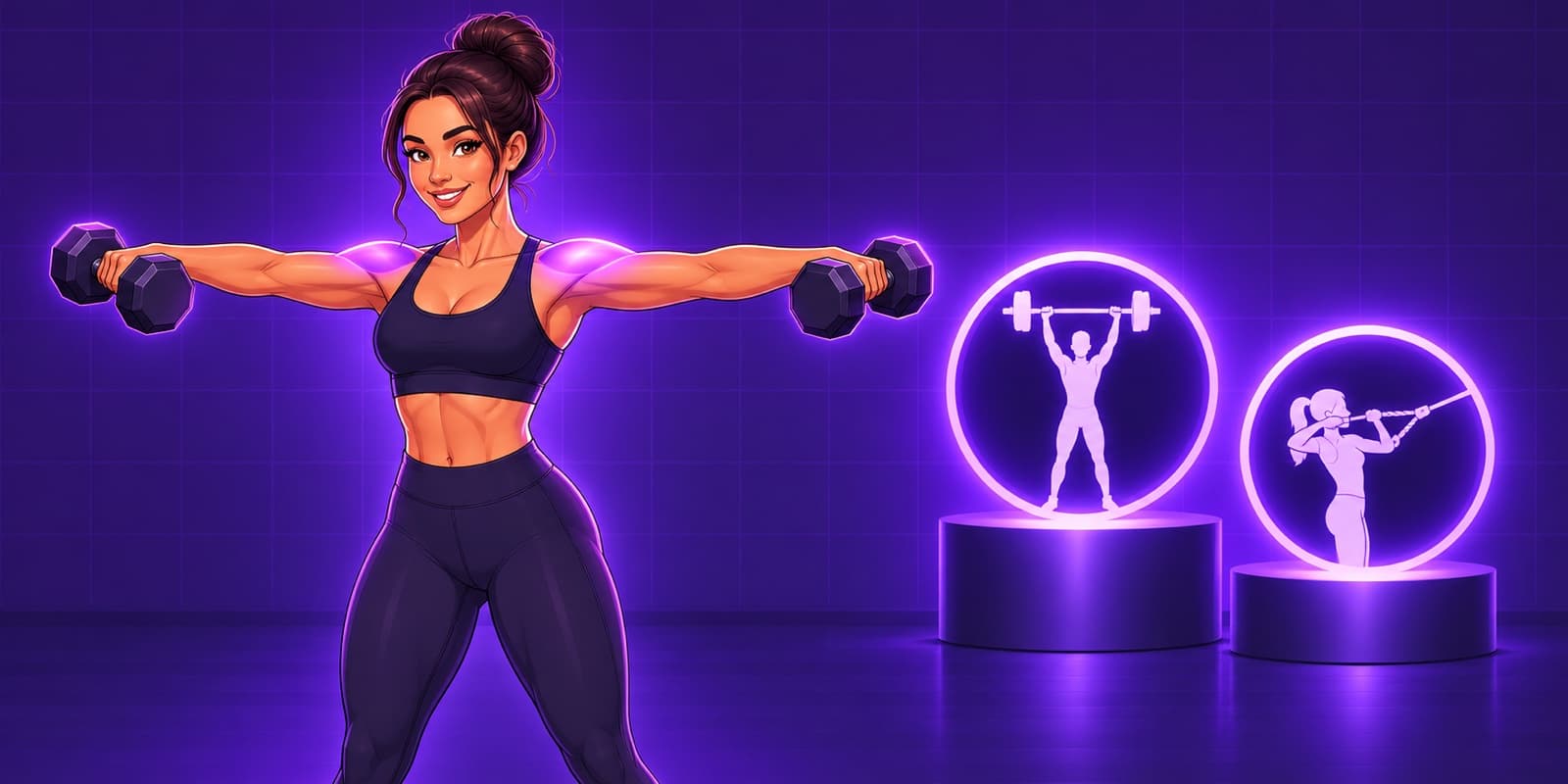
Rear deltoids and rotator cuff. The back of the shoulder. Trained by rows with the elbows out, face pulls and reverse flys. They matter for shoulder health as much as for appearance.
Spinal erectors. The long muscles along the spine. Trained isometrically by every heavy lift and directly by deadlifts, back extensions and good mornings.
Vertical pulls: the lats
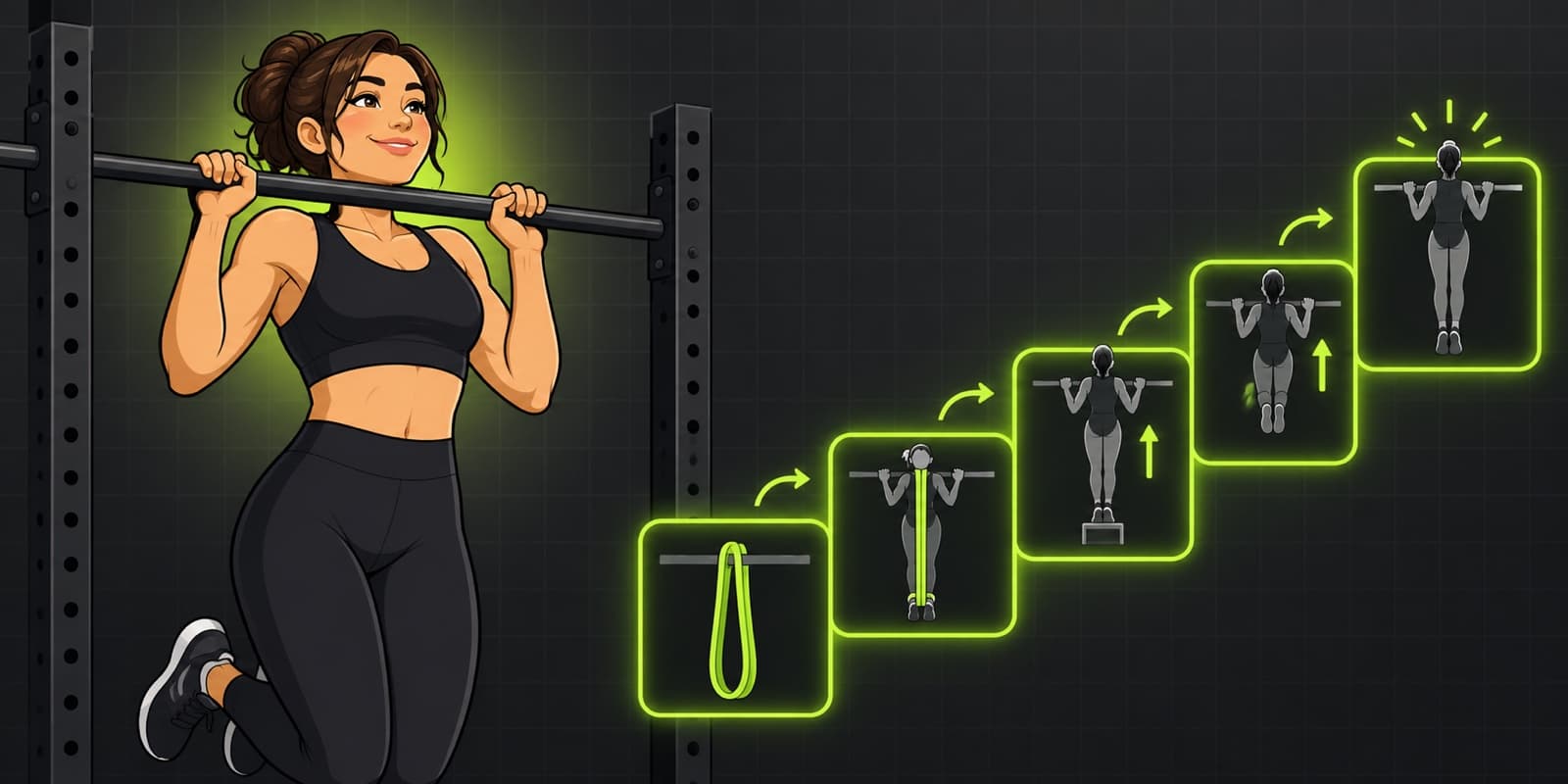
Pull-ups and chin-ups. The highest lat and biceps activation of the vertical pulls, with the added benefit of moving your own body. Chin-ups (supinated) bring in more biceps; pull-ups (pronated) slightly more lat and lower trap; neutral grip sits between and is easiest on the elbows (Youdas et al. 2010; Dickie et al. 2017). If you cannot yet do them, the progression is in Pull-Ups from Zero.
Lat pulldown. The same movement, loadable in small increments. Research comparing grips finds a medium pronated grip produces slightly higher lat activation than wide or narrow, and allows more load (Andersen et al. 2014; Lusk et al. 2010). Pull to the upper chest, not behind the neck, which offers no advantage and stresses the shoulder. Lean back slightly, drive the elbows down and in, and let the shoulder blades rise at the top for a full stretch.
Single-arm pulldown. Lets each side work through its full range and is the best tool for learning to feel the lats.
Straight-arm pulldown and dumbbell pullover. Isolate the lat in shoulder extension without the biceps. Useful accessories for lat volume and for people who feel pulldowns in their arms.
Horizontal pulls: the mid-back
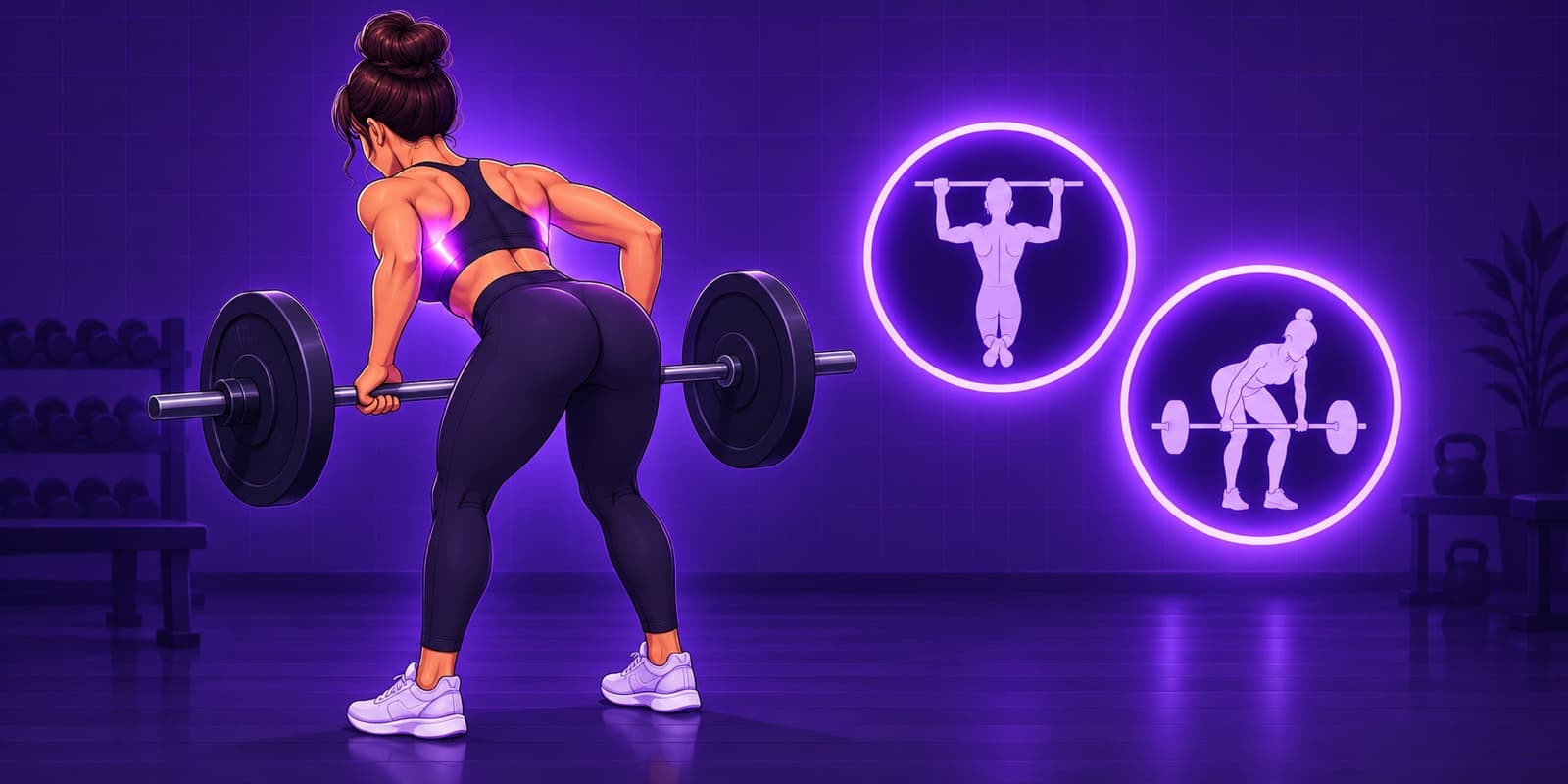
Barbell row. Heavy loading for the whole back. A bent-over row with the torso at about 45 degrees and the bar pulled to the lower chest activates the lats, mid-traps and rhomboids strongly; a more horizontal torso (Pendlay row, from the floor each rep) increases the mid-trap and erector demand (Fenwick et al. 2009). Keep the spine neutral and avoid using the hips to swing the weight.
Chest-supported row. Removes the lower back from the equation, so all the fatigue goes to the back muscles that are supposed to be working. Excellent for hypertrophy and for anyone whose lower back limits barbell rows.
Dumbbell row. Single-arm, long range, heavy loading, and free rotation of the wrist. Elbow close to the body for lats; elbow out for rear delt and upper back.
Cable row. Constant tension, easy to adjust the handle. Neutral close grip for lats; wide pronated bar with elbows out for the upper back. Pause at the contraction.
Inverted row. Bodyweight, scalable by foot position; a good starting point and a good finisher.
T-bar and machine rows. Stable, loadable, effective. Use them.
Traps, rear delts and the lower back
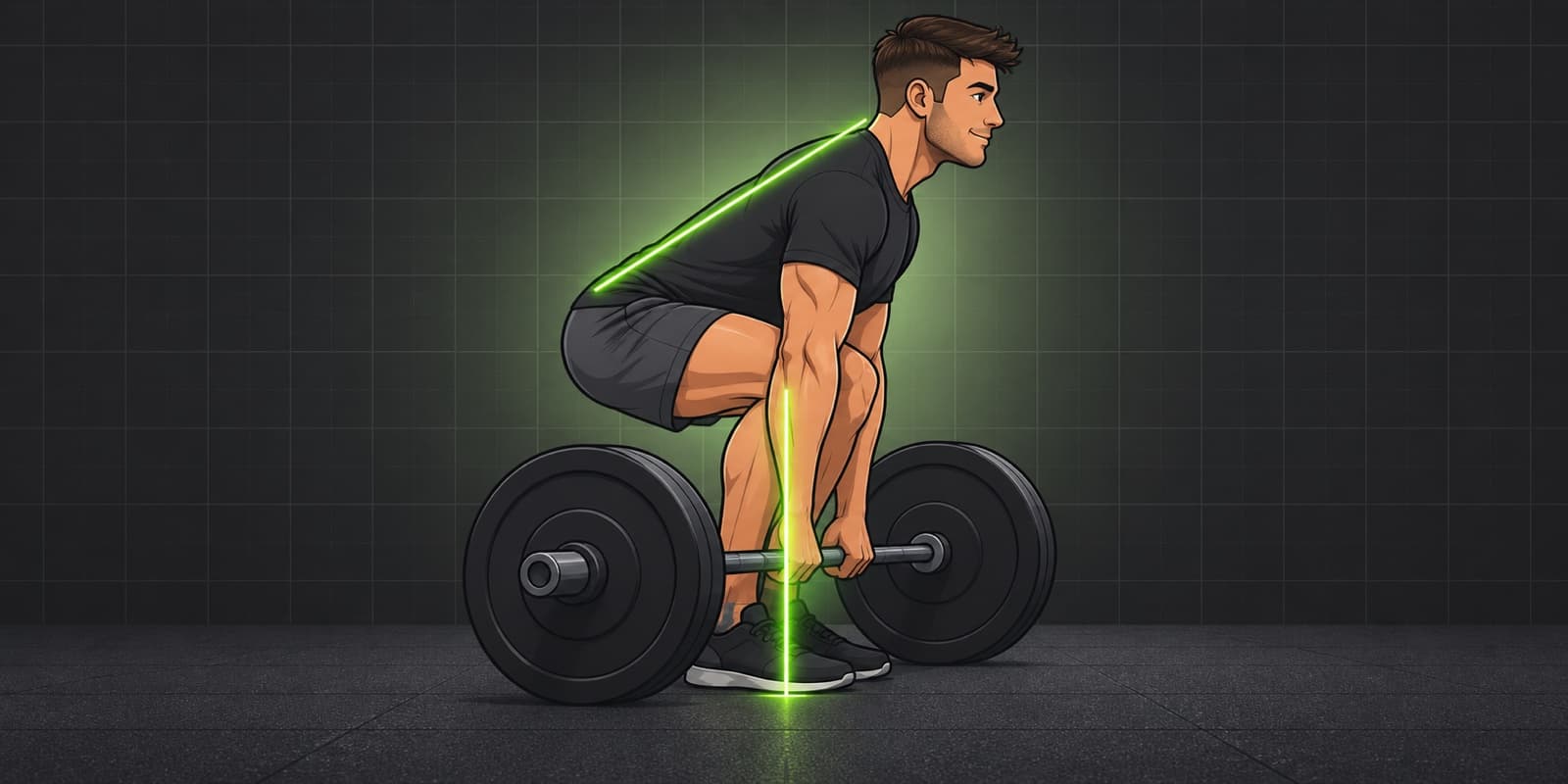
Deadlift. The heaviest loading the traps and erectors ever get. It builds the upper back and lower back in the same lift. See How to Deadlift.
Shrugs. Direct upper trap work. Heavy dumbbell or barbell shrugs with a pause at the top; no rolling.
Face pulls. Rear delts, mid and lower traps, and external rotators, in one movement. Pull a rope to the face with the elbows high and the hands finishing beside the ears. The best single exercise for shoulder health in a pressing-heavy program.
Reverse flys and rear-delt rows. Direct rear-delt work, light loads, high reps.
Back extensions and Romanian deadlifts. The erectors and hamstrings. See Romanian Deadlift Guide.
Technique principles that matter more than exercise choice
- Move the shoulder blades. Every pull begins by depressing and retracting the shoulder blades and ends by letting them protract and elevate for a full stretch. Arms-only pulling trains the biceps.
- Drive the elbows, not the hands. Think of the hands as hooks. Elbows toward the hips for lats; elbows out and back for upper back.
- Full range. A full stretch at the start of a pull is a large part of the stimulus.
- Control the eccentric. Two seconds down.
- Use straps when grip limits the set. The back is much stronger than the grip; train grip separately.
- Balance push and pull. Aim for at least as many hard pulling sets as pressing sets each week. It protects the shoulders and fixes posture better than any stretch. See How to Bench Press.
A complete back program
Two sessions a week, 12 to 18 hard sets across both:
Session A
- Weighted or assisted pull-ups (or lat pulldown, medium pronated grip): 4 sets of 6 to 10
- Chest-supported row: 3 sets of 8 to 12
- Face pulls: 3 sets of 15 to 20
Session B
- Barbell or Pendlay row: 4 sets of 6 to 8
- Single-arm pulldown or dumbbell row: 3 sets of 10 to 12 per side
- Straight-arm pulldown or pullover: 2 to 3 sets of 12 to 15
- Shrugs: 2 to 3 sets of 10 to 12
Deadlifts, if in the program, sit on a lower-body day and contribute to the erector and trap volume. Progress by adding load or reps when every set is completed with a full range of motion.
The bottom line
Vertical pulls for width, horizontal pulls for thickness, a hinge for the erectors and traps, and face pulls for the rear delts and shoulder health. Grip is a detail; a full range of motion with the shoulder blades moving and the elbows driving is what counts. Ten to twenty hard sets a week across two sessions, at least as much pulling as pressing, and the back grows in every direction.
Sources
- Youdas JW, Amundson CL, Cicero KS, et al. "Surface electromyographic activation patterns and elbow joint motion during a pull-up, chin-up, or perfect-pullup rotational exercise." Journal of Strength and Conditioning Research, 2010.
- Dickie JA, Faulkner JA, Barnes MJ, Lark SD. "Electromyographic analysis of muscle activation during pull-up variations." Journal of Electromyography and Kinesiology, 2017.
- Andersen V, Fimland MS, Wiik E, Skoglund A, Saeterbakken AH. "Effects of grip width on muscle strength and activation in the lat pull-down." Journal of Strength and Conditioning Research, 2014.
- Lusk SJ, Hale BD, Russell DM. "Grip width and forearm orientation effects on muscle activity during the lat pull-down." Journal of Strength and Conditioning Research, 2010.
- Fenwick CM, Brown SH, McGill SM. "Comparison of different rowing exercises: trunk muscle activation and lumbar spine motion, load, and stiffness." Journal of Strength and Conditioning Research, 2009.
- Lehman GJ, Buchan DD, Lundy A, Myers N, Nalborczyk A. "Variations in muscle activation levels during traditional latissimus dorsi weight training exercises: an experimental study." Dynamic Medicine, 2004.
Frequently asked questions
What is the best exercise for a wider back?
Vertical pulling: pull-ups, chin-ups and lat pulldowns. These train the latissimus dorsi through shoulder adduction, which is what produces width. A medium, pronated or neutral grip with a full stretch at the top and the elbows driven to the sides of the body activates the lats most.
Rows or pulldowns: which is better?
They train different regions. Pulldowns and pull-ups emphasise the lats (width); rows emphasise the mid-traps, rhomboids and rear delts (thickness) while still working the lats. A complete program uses both, ideally in similar volumes.
Does grip width matter on lat pulldowns?
Less than the folklore says. Studies comparing narrow, medium and wide grips find similar lat activation, with a medium pronated grip producing slightly higher activation and allowing more load. Wide grips shorten the range; very close grips bring in more biceps. Pick the grip that lets you feel the lats and move through a full range.
How many back exercises per workout?
Two to four. One vertical pull, one or two horizontal pulls, and a hinge or accessory (face pulls, shrugs, pullovers). More than four in one session usually means the later sets are junk volume.
Why can't I feel my lats?
Pulling with the arms and traps instead of driving the elbows down and back. Fixes: start each rep by depressing the shoulder blades, think of the hands as hooks, drive the elbows toward the hips, use a slightly lighter load, and try single-arm pulldowns or rows with a pause at the contraction.
Should I train back with chest or on its own day?
Either works. Pairing back with chest in an upper-body session naturally balances pushing and pulling; a pull day (back and biceps) allows more volume. What matters is total weekly sets, twice-weekly frequency, and pulling volume at least equal to pressing.