Cycle, Hormones and Women's Health
What the research actually supports about training across the menstrual cycle and every later life stage, and why symptoms and logged performance beat calendar phases. Covers period training, cycle syncing hype vs. evidence, recovery, nutrition, hormonal contraceptives, iron, PCOS, postpartum return, perimenopause, menopause, bone density, and where a clinician takes over.
Chapters
1Menstrual Cycle and Training: What the Evidence Really Says
Does your cycle phase really change your strength, recovery, and calorie needs? Here's what the strongest current research shows, and why training by the symptoms and performance you log beats training by the calendar.
 2
2Cycle Syncing Workouts: Hype vs. Evidence
Cycle syncing says you should lift heavy in your follicular phase, go easy in your luteal phase, and rest during your period. It is one of the biggest fitness trends of the decade. The best available evidence says the hormonal effects it is built on are small, inconsistent, and swamped by how you actually feel. Here is what is real, what is not, and the smarter alternative.
 3
3Follicular Phase Training: What the Evidence Really Says
Estrogen rises across the follicular phase, but that does not make it a reliable PR schedule. Here's what holds up, what doesn't, and why feeling good is the signal worth acting on.
 4
4Ovulation and Performance: What the Evidence Really Says
Estrogen and testosterone both peak around ovulation, but that does not hand you a scheduled strength window. Here's what the research supports, including a measured look at the ligament laxity question.
 5
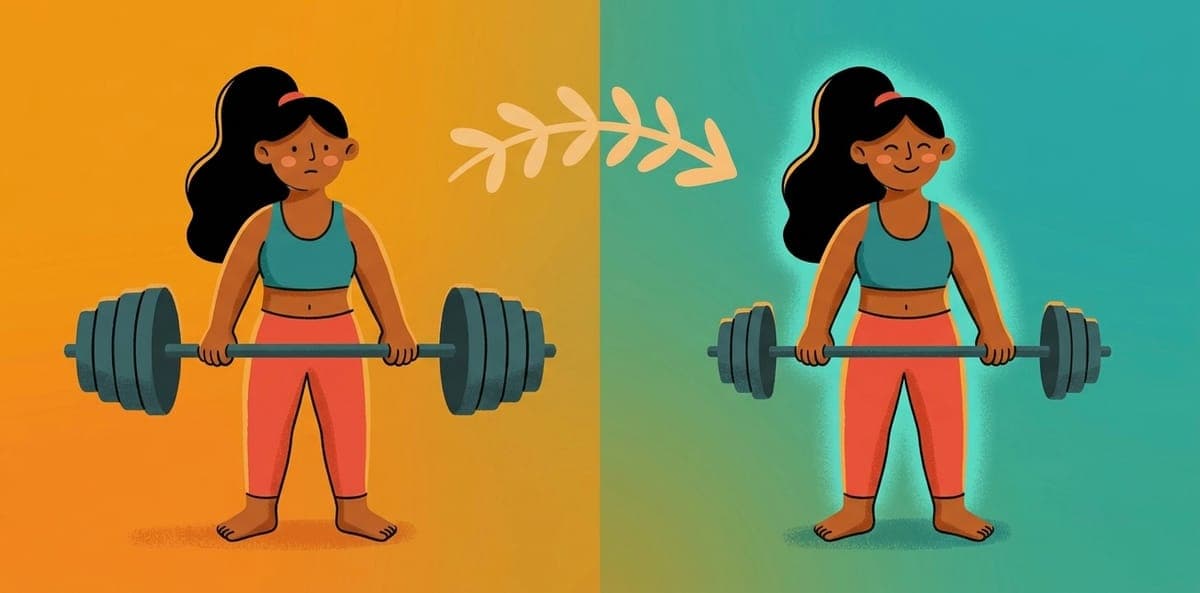
5Training During Your Period: Permission, Not Prescription
Bleeding is not a mandatory rest day, and it is not a mandatory hard day either. Here's what the evidence supports about training through your period, and how to let symptoms make the call.
 6
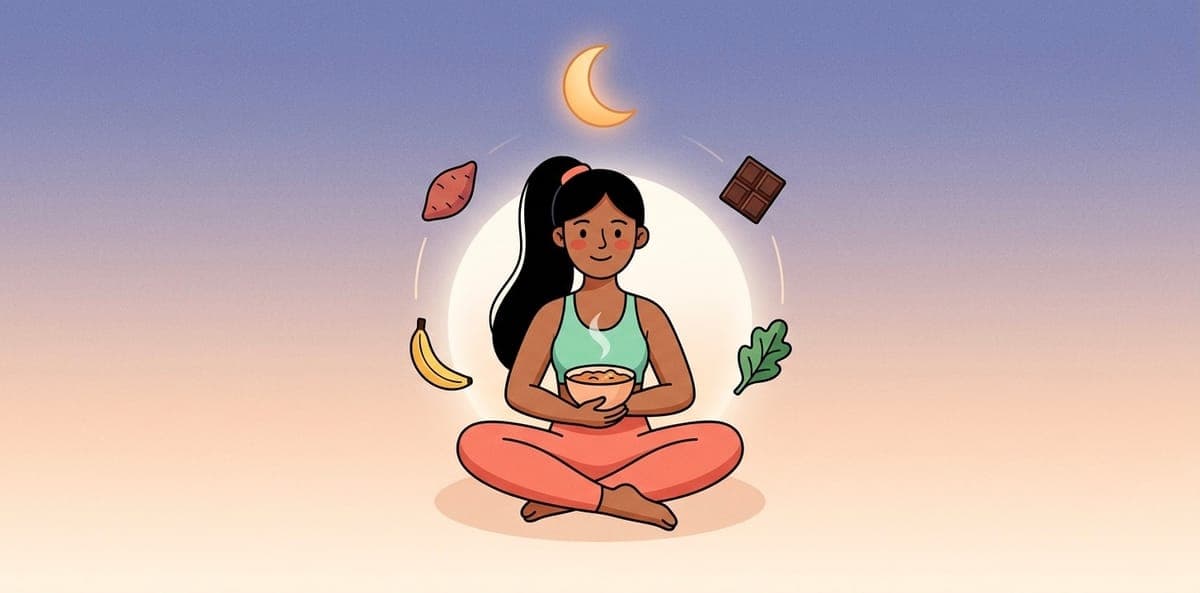
6Luteal Phase Nutrition: Calories, Cravings, and What Actually Changes
Does your metabolism speed up in the luteal phase? The measured effect is small and varies between people. Here's why a calendar calorie surplus is not the answer, and what to do about cravings instead.
 7
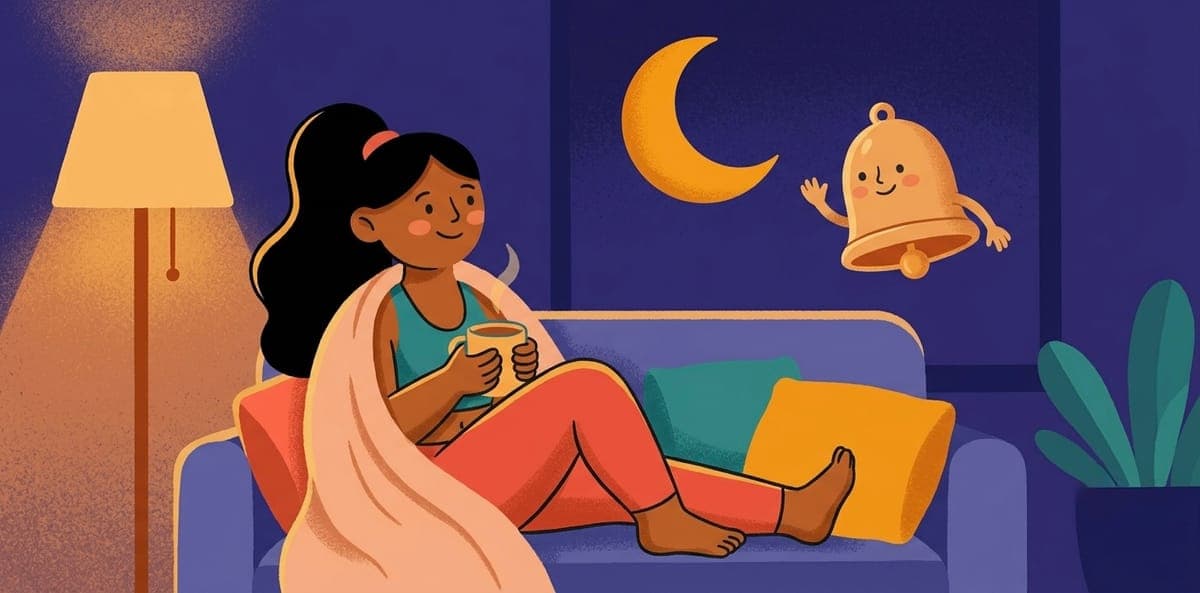
7Recovery Across Your Cycle: Averages, Signals, and What to Program
Sleep, HRV, and inflammation shift on average across the cycle, but averages are a weak guide to your own recovery on a given day. Here's how to program by logged recovery and performance instead.
 8
8Symptom Tracking: Turning Daily Signals Into Training Decisions
A single bad day means nothing. A decision journal of energy, pain, sleep, and performance across several cycles tells you when to add load, hold, or deload. Here's how to run one.
 9
9PCOS and Training: What Exercise Education Can (and Cannot) Say
General education on training with PCOS: why consistency and resistance training often help, what this page will not diagnose or prescribe, and when to involve a clinician.
 10
10Hormonal Contraceptives and Training: What the Evidence Really Says
Hormonal contraception flattens the natural cycle. Here's what the research actually shows about strength, muscle, and recovery, and why 'you can't progress on birth control' is not supported.
 11
11Iron Deficiency in Active Women: Risk Factors and Why Testing Matters
Iron deficiency is common in active women and it affects performance. This is education about risk factors and what a proper test involves, not a self-diagnosis checklist or a supplement plan.
 12
12Postpartum Return to Lifting: An Evidence-Based Timeline
Six weeks is a clearance, not a training plan. Here is a realistic timeline for returning to strength training after birth, what to do about diastasis recti and the pelvic floor, how vaginal and caesarean recoveries differ, and how to rebuild toward heavy lifting without setting yourself back.
 13
13Perimenopause and Strength Training: The Complete Guide
Perimenopause changes how your body responds to training, sleep and food, often years before your periods stop. Strength training is the single most effective countermeasure the evidence has. Here is what is actually changing, why lifting matters more now than at any earlier age, and how to program it.
 14
14Menopause, Muscle, and Metabolism: Training After Your Cycle Ends
After menopause, estrogen settles permanently low and the body's rules change: muscle is harder to keep, belly fat is easier to gain, and metabolism drifts down. None of it is inevitable. Here is what the research shows about training, protein, HRT and creatine after the transition, and how to build a body that stays strong for decades.
 15
15Strength Training and Bone Density: Why Lifting Is Non-Negotiable for Women
One in three women over 50 will suffer an osteoporotic fracture. Bone responds to one thing above all: load. Here is how bone adapts, why walking and swimming are not enough, what the LIFTMOR trial showed about heavy lifting in women with osteoporosis, and how to train for a skeleton that lasts.
Ready to apply what you've learned?
Zealo puts this science to work with AI-powered plans, precision nutrition, and real-time tracking.
Download Zealo