
FREE TOOL
Body Fat Calculator
Estimate body fat percentage from tape measurements with the U.S. Navy circumference method.
Enter height, neck and waist (and hips for women) to estimate body fat percentage.
Estimates only. Nothing here is medical advice, and nothing you enter leaves your browser.
How this calculator works
The full explanation of the formula, its limits, and how to adjust the result against real-world data is in the Learn article this tool is built on.
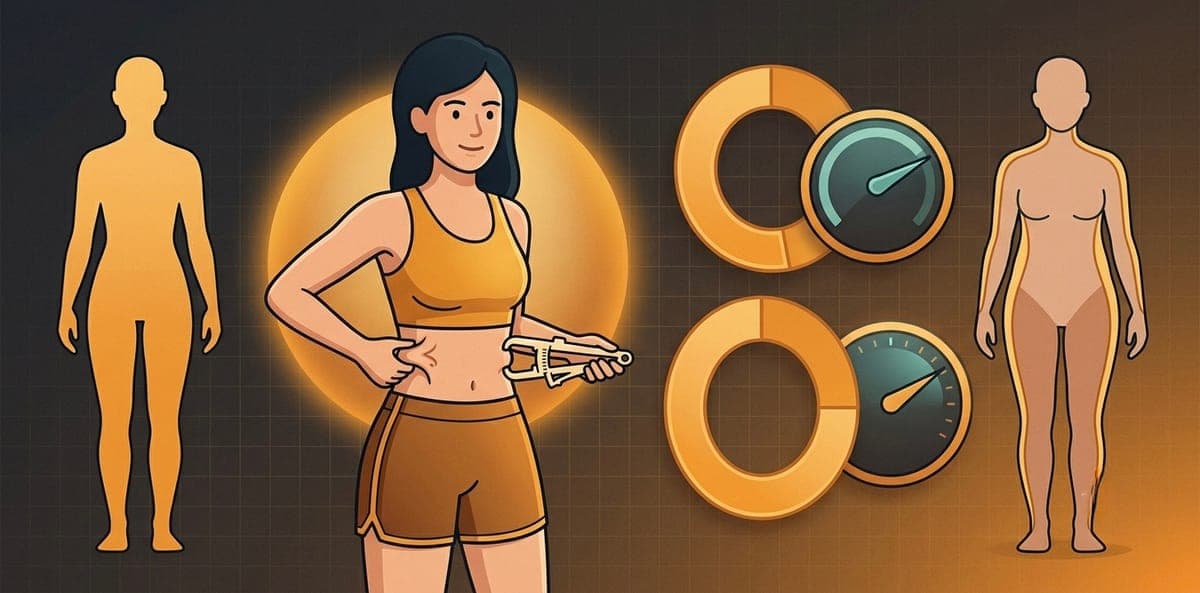
Frequently asked questions
How accurate is the Navy body fat method?
Validation studies put its error at roughly 3 to 4 percentage points against DEXA or hydrostatic weighing for most adults. It is less accurate at the extremes of body fat and for very muscular people. Consistent measuring technique matters more than the formula.
What is a healthy body fat percentage?
Broad healthy ranges are about 10 to 20 percent for men and 18 to 28 percent for women, with athletes often lower. Essential fat sits at around 3 to 5 percent for men and 10 to 13 percent for women, and going below that is dangerous.
Where exactly do I measure?
Waist at the navel for men and at the narrowest point for women, neck just below the larynx, hips (women) at the widest point. Keep the tape level and snug without compressing the skin, and breathe out normally.
Is this better than a smart scale?
About equal in accuracy, and more consistent, because bioimpedance scales swing several points with hydration. Both are best used for trends over weeks, not one-off precision.
Related reading
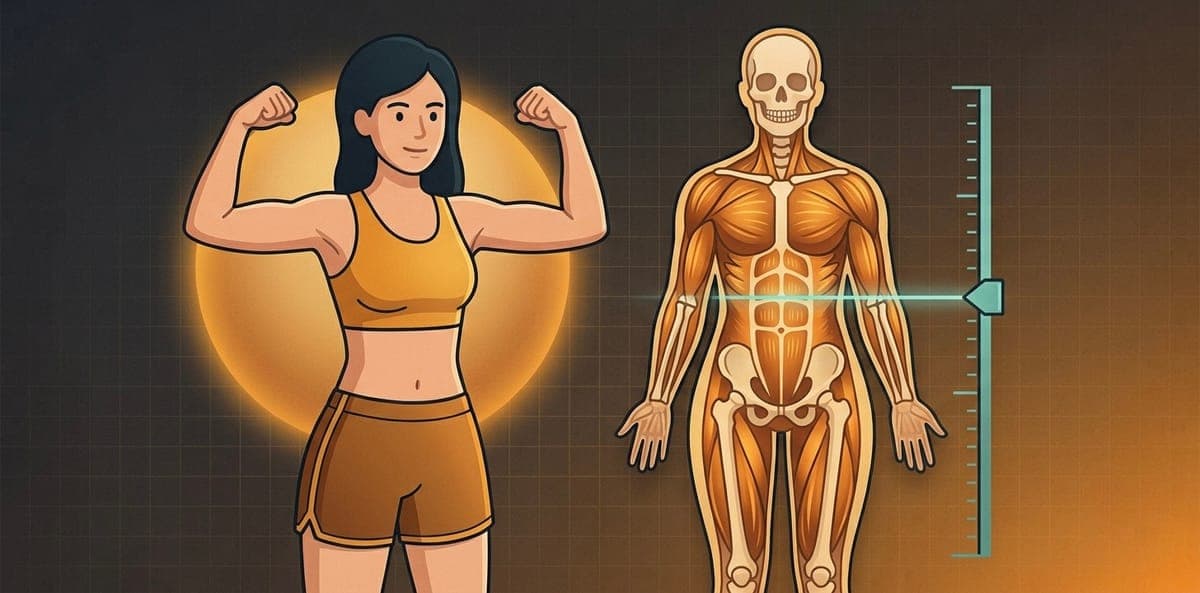
Fat-Free Mass: The Metric Athletes Should Track Instead of Weight
Two people can weigh the same and look completely different. Fat-free mass explains why, and why it's the better metric for progress.
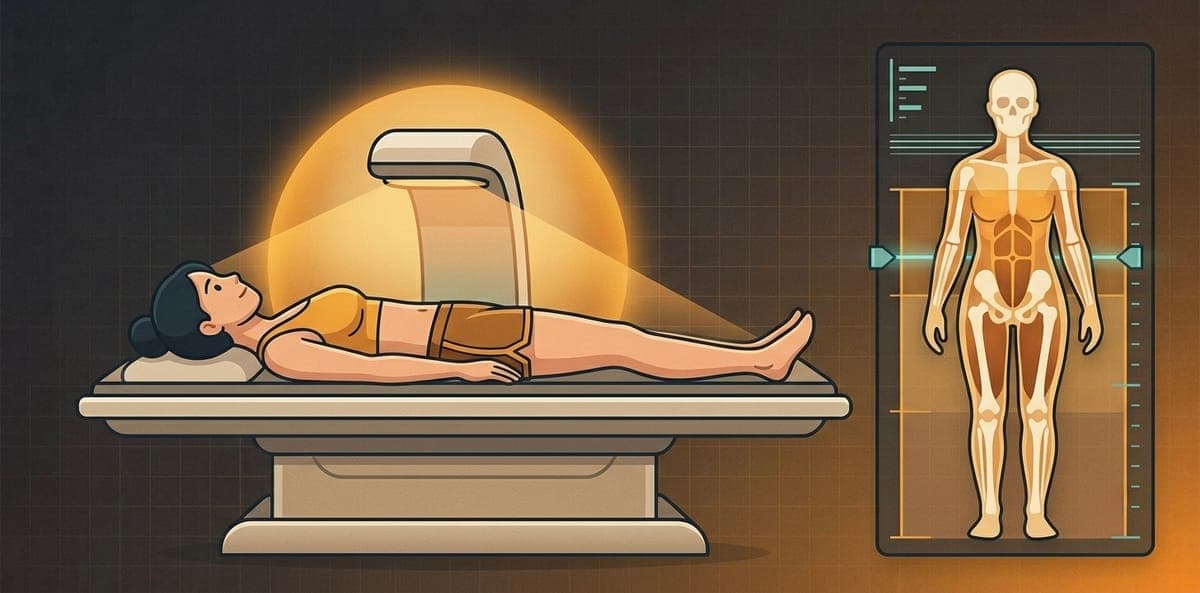
DEXA Scan Guide: The Gold Standard for Body Composition
DEXA scans use dual-energy X-rays to map your body composition with clinical precision. Here's how they work, what the results mean, and how they compare to other methods.
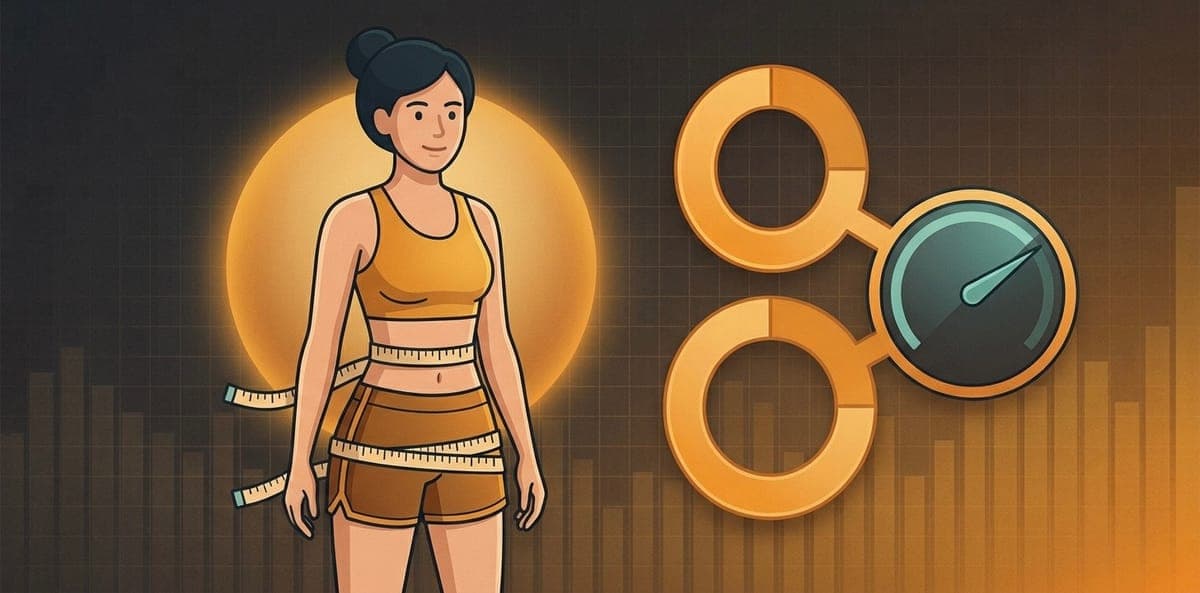
Waist-to-Hip Ratio: A Better Health Marker Than BMI
Waist-to-hip ratio (WHR) predicts cardiovascular disease and metabolic risk more accurately than BMI. Learn how to measure it, what your number means, and why fat distribution matters.